 St. Petersburg Siding
 New Roof Installation Built for Old Southeast, Not a Generic Spec Home
Old Southeast is one of St. Petersburg's older, established neighborhoods, and that shows in the housing stock: bungalows, Mediterranean Revival cottages, and mid-century homes with rooflines and framing details you don't see in newer subdivisions. A new roof installation here isn't the same job as re-roofing a 2015 tract house. Older decking, older ventilation setups, and in some cases historic-district considerations all change what "doing it right" actually means. We work in this neighborhood regularly, which matters more than it sounds like — a crew that only shows up once knows the code minimums; a crew that works the same streets year after year knows which details actually hold up here.
This page is specifically about installing a new roof on a home in Old Southeast. If you're comparing materials or budgeting for the job, this is written for that decision — not as a general roofing overview.
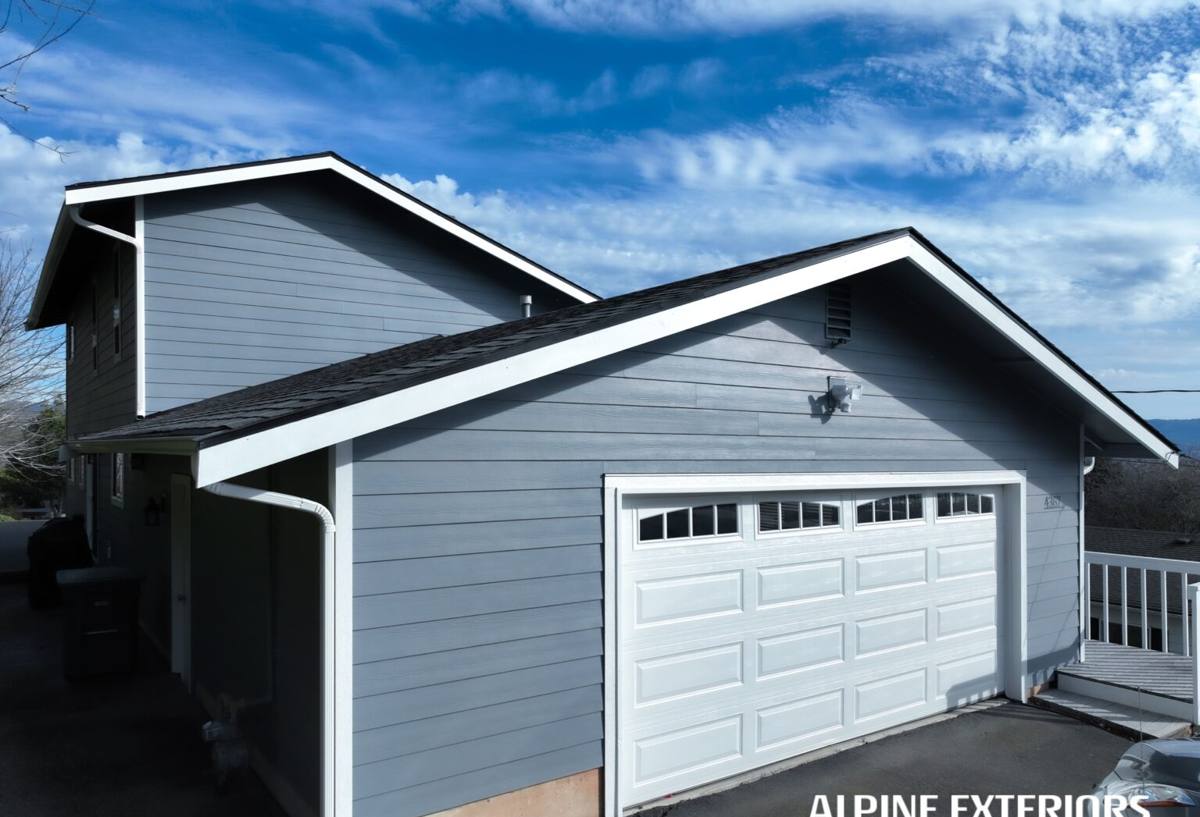
What St. Petersburg's Climate Actually Does to a Roof
Pinellas County sits on a peninsula, and every roof here takes on the same combination of stress factors, just at different intensities depending on the home's age, orientation, and exposure:
- Hurricane-force wind: Uplift at the edges and corners of the roof is where failures start — loose shingles, lifted ridge caps, and torn-off drip edge almost always begin at a weak fastening pattern, not in the middle of the field.
- Year-round intense UV: Florida sun bakes asphalt shingles and degrades sealants faster than in most of the country. A roof rated for 25-30 years up north can run shorter here if it wasn't installed with the right underlayment and ventilation.
- Wind-driven rain: St. Pete storms rarely deliver rain straight down. Wind pushes water sideways and up under laps, valleys, and flashing — which is why the underlayment and flashing details matter as much as the shingle itself.
- Salt air: Being close to Tampa Bay means metal fasteners, flashing, and vent components corrode faster than inland installations. Fastener and flashing material choice isn't cosmetic here — it's a lifespan decision.
None of this means Old Southeast homes need something exotic. It means the installation details — fastening pattern, underlayment layers, flashing, and ventilation — have to be done correctly, because this climate finds every shortcut eventually.
Older Homes Add Their Own Variables
A lot of Old Southeast roofs are on original or older framing, sometimes with roof decking that was fine when it was installed decades ago but has since taken on moisture damage, delamination, or simply doesn't meet current code thickness. We don't know what's under your shingles until we tear off, which is why we treat deck inspection as a required step, not an upsell.
What a Correct New Roof Installation Actually Involves
A new roof is more than shingles on plywood. Here's what should happen on every job, in order:
1. Full Tear-Off and Deck Inspection
We remove the old roofing down to the deck rather than layering over it. This lets us actually see the wood — soft spots, rotted sheathing, and old fastener holes all get addressed before anything new goes down. Covering over a compromised deck is one of the most common ways a "new roof" fails early.
2. Deck Repair and Re-Fastening
Any damaged sheathing gets replaced, and the whole deck gets re-nailed to current fastening standards. This step is invisible once the roof is finished, which is exactly why it's the step some installers skip.
3. Self-Adhering or Synthetic Underlayment
Underlayment is your backup water barrier if wind-driven rain gets under the shingles — which, in this climate, it eventually will at some point over the roof's life. We use underlayment systems suited for high-wind, high-UV coastal exposure, not the cheapest roll available.
4. Flashing at Every Transition
Valleys, chimneys, wall intersections, and pipe penetrations are where roofs actually leak — rarely in the open field. Flashing has to be formed and layered correctly, not just caulked and hoped for. This is also where roofing meets siding trim details, so we pay close attention to how the roof edge integrates with the wall assembly.
5. Wind-Rated Fastening Pattern
Nail pattern and fastener count at eaves, ridges, and rakes are what actually determine whether shingles stay put in a wind event — not the shingle brand alone. We follow the fastening schedule required for our wind zone, not a generic national minimum.
6. Ventilation
Proper intake and exhaust ventilation keeps attic heat and moisture from cooking the underside of the new roof from below. Skipping or under-sizing ventilation is one of the quiet reasons roofs underperform their expected lifespan in Florida heat.
Choosing a Roofing Material for This Neighborhood
There's no single "best" material — it depends on your budget, your roof's shape, and how long you plan to own the home. Here's an honest comparison of the systems we install most in this area:
| Material | Typical Lifespan Here | Wind Performance | Salt-Air Durability | Relative Cost |
|---|---|---|---|---|
| Architectural (dimensional) asphalt shingle | 18-25 years | Good, with proper fastening and rated product | Good; metal components need corrosion-resistant fasteners | Lowest upfront cost |
| Standing seam metal | 35-50+ years | Excellent, especially with concealed fasteners | Very good with coated/coastal-rated panels | Highest upfront cost |
| Concrete or clay tile | 40-50+ years | Very good when properly fastened; heavier load | Excellent; tile itself doesn't corrode | High upfront cost, plus structural check |
How We Talk You Through This
Most homeowners in Old Southeast end up choosing based on how long they plan to stay, roof pitch and complexity, and whether the home's architectural style favors one material. We'll give you straight numbers for your specific roof rather than pushing whatever has the best margin.
Permits, Wind Codes, and Historic Considerations
Every legitimate new roof installation in St. Petersburg requires a permit and inspection through the local building department — that's not optional, and it protects you as the homeowner because it means the work gets independently checked. Pinellas County is in a designated wind-borne debris region, so the products used and how they're fastened have to meet current Florida Building Code wind requirements for our area, not whatever the shingle bag says is the "standard" install elsewhere.
If Your Home Is in a Locally Designated Historic District
Parts of Old Southeast carry local historic designation, and if your specific property falls under that, changes to visible exterior materials — including roofing in some cases — can require review before work begins. We'll help you figure out whether your address is affected and what, if anything, needs sign-off, rather than assuming either way.
Our Process, Start to Finish
- Free on-site estimate: We inspect your current roof, take measurements, and check the attic and decking as much as visible without a full tear-off.
- Written proposal: Material options, scope, and price laid out clearly — no vague allowances buried in fine print.
- Permit pulled: We handle the permit application with the city before any work starts.
- Tear-off and deck inspection: Old roofing removed, deck checked and repaired as needed.
- Underlayment, flashing, and installation: Installed to the wind-rated fastening schedule for our zone.
- Cleanup: Magnetic sweep for nails, full debris removal from your property.
- Final inspection: City inspector signs off, and we walk the finished roof with you.
Why a Crew That Already Works Old Southeast Is Worth Choosing
Roofing crews that bounce between counties and states tend to install to the lowest common code requirement they know. A crew that regularly works St. Petersburg and Pinellas County knows the local wind zone requirements cold, has a working relationship with the permitting office, and has seen what actually fails on this neighborhood's housing stock after a few storm seasons — not just at the one-year mark when everything still looks fine. That local track record is also easier to verify: ask any roofing contractor for other addresses they've completed in your neighborhood, and how long ago, before you sign anything.
After Your New Roof: What to Keep an Eye On
A correctly installed roof still benefits from basic homeowner attention, especially in this climate:
- Walk the yard after major storms and check for granules in gutters or downspouts, which can signal shingle wear starting early.
- Keep gutters clear so wind-driven rain has somewhere to go instead of backing up under the roof edge.
- Watch for streaking or dark growth on north-facing slopes — common in humid climates and usually cosmetic, but worth a call if it spreads fast.
- Have flashing around chimneys, vents, and wall intersections visually checked every couple of years, since that's where most real leaks start.
- Trim back overhanging branches that can drop debris or hold moisture against the roof surface.
- Keep your permit and final inspection paperwork — it matters for insurance and resale.
If you're planning a new roof for a home in Old Southeast, we're glad to come take a look and give you a straightforward, no-pressure estimate — just fill out the form below.