 St. Petersburg Siding
 Why Old Southeast's Historic Homes Need a Different Approach to Windows
Old Southeast is one of St. Petersburg's older residential neighborhoods, built out mostly in the early-to-mid 20th century with bungalows, Craftsman cottages, and Mediterranean Revival-influenced homes. Many of these houses still carry their original window openings, proportions, and trim details — features that give the neighborhood its character and, in some cases, are protected by the city's historic preservation guidelines. Replacing or restoring windows here isn't the same job as swapping units in a 1990s subdivision house a few miles inland.
At the same time, these are Pinellas County homes, which means they take a beating from the same climate every other structure on this peninsula deals with: hurricane-force wind events, intense year-round UV exposure, wind-driven rain that finds every gap in a poorly sealed frame, and salt air drifting in off Tampa Bay and the Gulf that corrodes hardware and finishes faster than most homeowners expect. A window package for an Old Southeast home has to satisfy two things at once — respect for the original architecture, and real performance against Florida's weather. Getting only one of those right isn't a complete job.
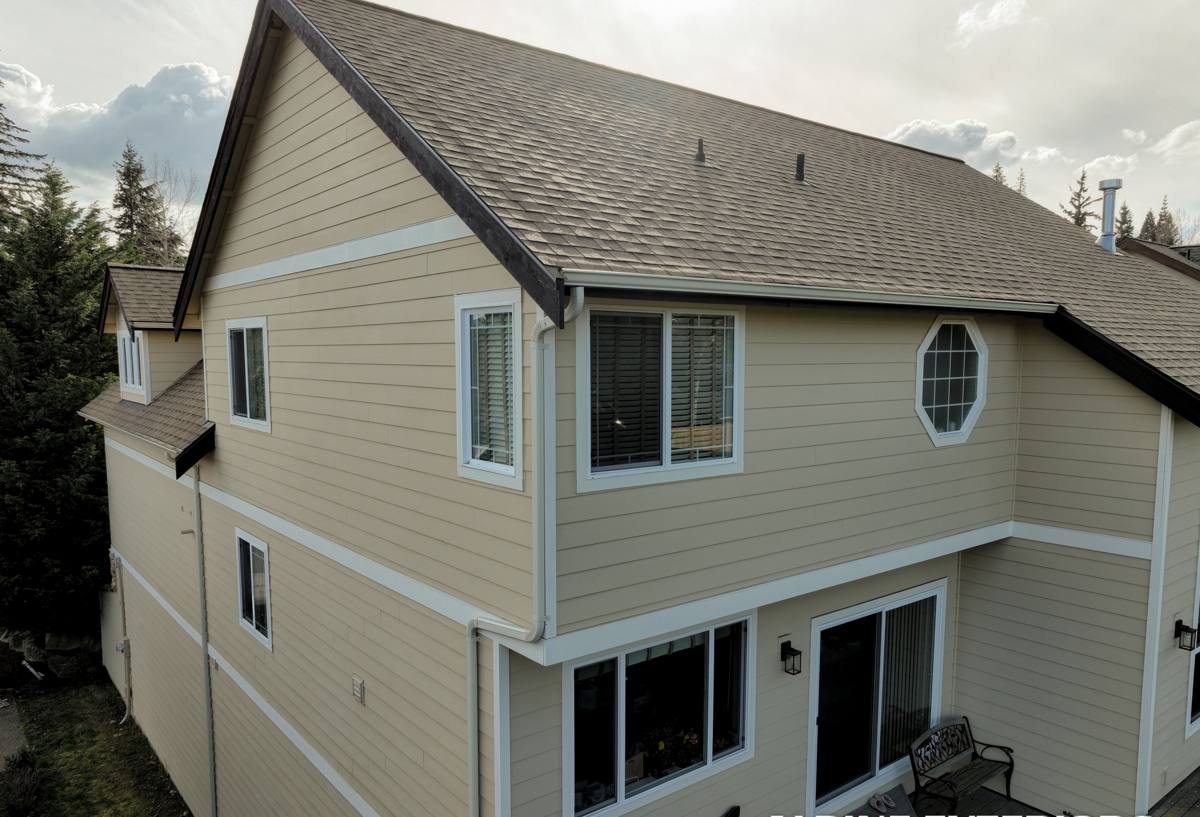
What Historic Windows in This Neighborhood Are Usually Dealing With
Original Wood Sash and Frames
A lot of the original single-hung and double-hung wood windows in Old Southeast are still in their openings, sometimes painted over dozens of times, sometimes with sash cords that no longer work, sometimes with glazing putty that's cracked and let moisture into the wood. Old-growth wood used decades ago is genuinely denser and more rot-resistant than most lumber milled today, which is why some of these frames are still salvageable — but decades of Gulf Coast humidity and sun exposure take a toll, and not every frame is worth saving.
Non-Original Replacement Windows
It's also common to find a home where a previous owner replaced original windows with something off-the-shelf that doesn't match the sightlines, muntin pattern, or proportions of the house — or that was never rated for the wind loads this area sees. We see this often enough that it's worth checking: if your windows look "off" compared to the rest of the block, or the house just doesn't read right from the street, mismatched replacement windows are frequently the reason.
Storm and UV Wear
Whether original or replaced, older window systems in this part of St. Petersburg tend to show the same failure patterns: glazing putty that's dried out and pulled away, weatherstripping that's hardened and stopped sealing, hardware that's corroded from salt air, and wood or clad frames with sun-checked or peeling finish on the west and south exposures. None of this is unusual — it's just what happens on the Pinellas County coast over 20, 40, or 80 years.
Custom Windows vs. Off-the-Shelf: Why It Matters Here
"Custom" isn't a marketing word for a historic home — it's usually a requirement. Original openings in older houses are rarely a standard modern size, and the sightlines, muntin spacing, and sash proportions are part of what makes the house read as authentic. Ordering a stock window and forcing it into an out-of-square historic opening leads to shimming, gapping, and a finished look that doesn't match the house — plus air and water leaks at every point where the frame isn't fully supported.
A correct job starts with measuring the actual opening, not assuming it matches a catalog size, and specifying glass, grille pattern, and frame profile that match (or respectfully update) what the house originally had. That's true whether we're building a true wood replica window or fitting an impact-rated unit designed to mimic historic proportions.
Choosing a Window System: Materials and Trade-Offs
There's no single "right" material for every historic home — it depends on the house's architectural review status, your budget, and how much ongoing maintenance you want to take on. Here's how the common options compare for a historic Old Southeast property specifically.
| Window Type | Historic Fit | Storm/Wind Performance | Maintenance |
|---|---|---|---|
| Restored original wood sash | Best possible match — it's the real thing | Needs supplemental storm protection to meet current wind standards | Highest — periodic repainting, glazing, and hardware care |
| New wood or aluminum-clad wood, historic profile | Very close match, built to today's tolerances | Can be specified with impact-rated glass for this coastal wind zone | Wood face needs paint; clad exterior needs less upkeep |
| Impact-rated windows, historic-style grille/profile | Good match if the grille pattern and frame width are chosen carefully | Built for hurricane-force wind and wind-driven rain out of the box | Low — no separate storm panels or shutters to manage |
| Standard vinyl replacement (non-historic profile) | Poor — flat, generic proportions rarely suit these homes | Varies widely by product line | Low, but doesn't solve the appearance problem |
We generally steer historic-home clients away from generic vinyl replacements — not because vinyl is inherently bad, but because standard vinyl profiles are built for volume production on modern tract homes, and the frame widths and sightlines rarely match a 1920s or 1930s opening. On a house where the windows are a defining architectural feature, that mismatch shows.
Impact Windows for a Historic Look
Impact-rated glass has come a long way — it's now available in divided-lite patterns, narrow sightlines, and frame colors that can convincingly match a historic double-hung, all while meeting Florida's current wind-load and missile-impact testing requirements. For a lot of Old Southeast homeowners, this ends up being the practical middle ground: real hurricane protection without hanging shutters before every storm, in a package that doesn't look out of place on an older house.
Our Process for Custom Window Projects in Old Southeast
- On-site assessment. We look at every existing window opening, note which frames are original, which are salvageable, and which have deteriorated past the point of repair.
- Historic and code review. If the property falls within a designated historic district or is otherwise subject to architectural review, we help you understand what documentation or approval the city may require before work begins — that's a conversation to have early, not after windows are ordered.
- Custom measurement and specification. Every opening is measured individually. We don't assume uniform sizes across a historic home, even when openings look similar from the street.
- Material and glass selection. We walk through the trade-offs above based on your budget, maintenance preference, and whether the home needs to match a specific historic profile.
- Installation. Proper flashing and sealing at the opening matters as much as the window itself — this is where a lot of leak and rot problems actually originate on older homes with wood-frame construction.
- Final inspection and cleanup. We check operation, seal integrity, and finish quality before we consider the job done.
Why Flashing and Installation Detail Matter More on Older Homes
Historic wood-frame construction wasn't built with modern weather-resistive barriers in mind, so the window opening itself often needs more careful detailing during installation than a newer stud-frame house would. Skipping proper flashing or relying on caulk alone to seal a historic opening is a common shortcut that leads to hidden water intrusion — and on a coastal property that sees regular wind-driven rain, that kind of mistake compounds fast.
Signs Your Old Southeast Home's Windows Need Attention
- Sashes that are painted shut, hard to operate, or won't stay open on their own
- Visible gaps between the sash and frame, or daylight visible around the frame from inside
- Soft or spongy wood at the sill, especially on south- or west-facing windows
- Peeling or bubbling paint/finish concentrated on sun-exposed sides of the house
- Fogging or moisture between panes on any insulated glass units
- Corroded or seized hardware — locks, hinges, or balances that no longer work smoothly
- Noticeable drafts or a spike in cooling costs during peak summer months
- Visible mismatch between window style and the rest of the home's original details
What Drives the Cost of a Custom Window Project
| Factor | Why It Affects Cost |
|---|---|
| Restoration vs. full replacement | Restoring original sash can cost less per unit than full replacement, but labor-intensive if wood damage is extensive |
| Impact rating | Impact-rated glass and frames cost more upfront than standard glass but can reduce or eliminate separate storm protection |
| Custom sizing and profile matching | Non-standard openings and historic grille patterns require custom fabrication rather than stock sizing |
| Frame material | Wood, clad-wood, and impact-rated composite frames each carry different material and finish costs |
| Number of openings and access | Second-story windows, tight side-yard access, or extensive trim work add labor time |
| Historic review requirements | Additional documentation or approval steps can affect project timeline, though not necessarily material cost |
Because every one of these variables shifts the total, we don't quote historic window projects off a generic price list — it takes an actual look at your home's openings and condition to give you an honest number.
Why Local Experience in Old Southeast Actually Matters
A contractor who mostly works new-construction subdivisions and only occasionally sees a historic home is going to make decisions a specialist wouldn't — defaulting to stock sizes, generic profiles, or skipping the questions about historic review that a homeowner in this neighborhood needs answered up front. A crew that regularly works in Old Southeast and similar St. Petersburg historic areas already understands how these homes are put together, what condition to expect from original wood components at this age, and how to detail an installation that holds up against Pinellas County's combination of hurricane wind, driving rain, and salt exposure — without turning your house into something that no longer looks like itself.
That local pattern-recognition saves time and rework. It means fewer surprises once we open up a wall or sill, and a finished product that fits both the house and the climate it has to survive.
Get an Honest Look at Your Windows
If you own a home in Old Southeast and your windows are original, mismatched, drafty, or just overdue for a real evaluation, we're glad to come take a look. There's no pressure and no obligation — just a straightforward assessment of what your windows actually need and what your realistic options are. Use the form below to request a free estimate.