 St. Petersburg Siding
 Siding Replacement Built for Gulfport's Waterfront Exposure
Gulfport sits right on Boca Ciega Bay, and that location is part of what makes the neighborhood special — and part of what makes siding wear out faster than it would a few miles inland. Homes here take a steady combination of salt-laden air, intense subtropical UV, wind-driven rain, and the occasional direct hit from a tropical system. Any one of those factors will shorten the life of the wrong siding material. Together, they do it fast. When we replace siding in Gulfport, we're not just matching a color or covering old boards — we're building an exterior that's engineered to hold up against the specific conditions this stretch of Pinellas County throws at it.
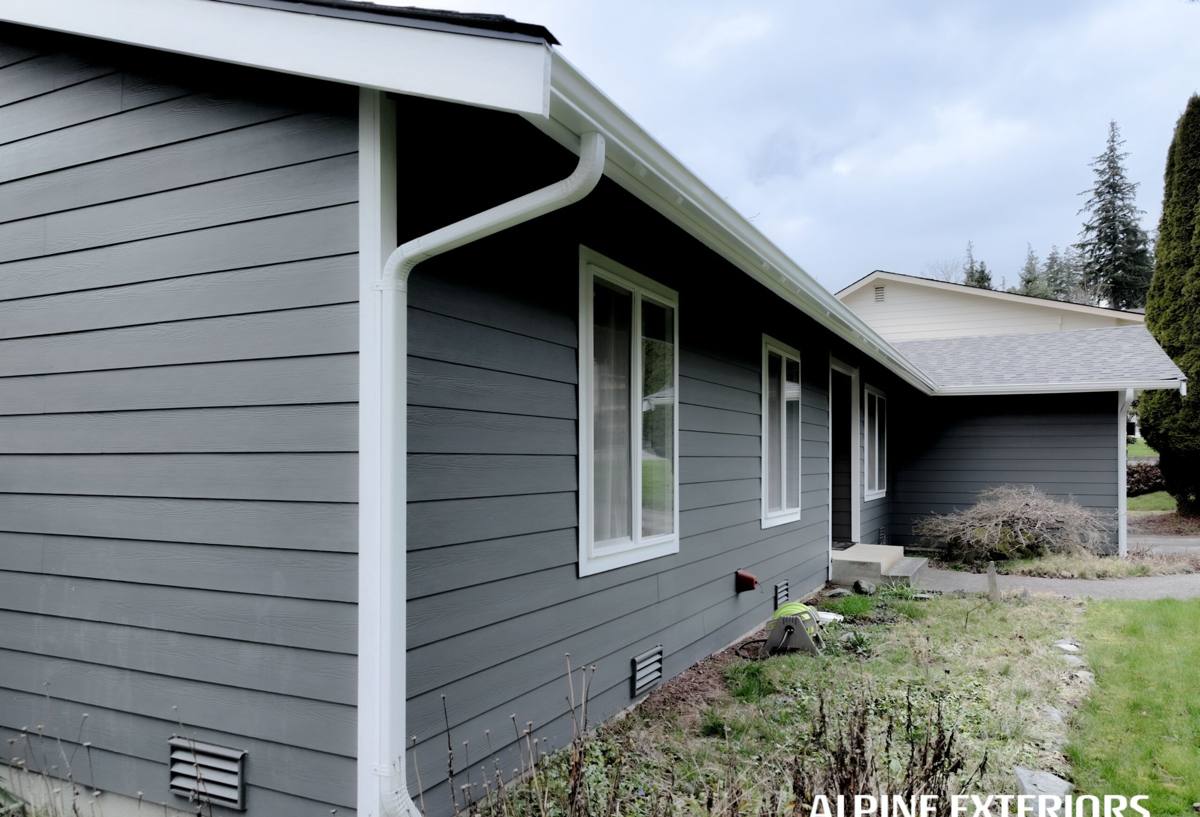
What Boca Ciega Bay Exposure Does to Siding Over Time
Salt air is corrosive and it travels. Even homes set back several blocks from the water pick up airborne salt that settles on exterior surfaces, works into seams and fastener heads, and accelerates deterioration of materials that aren't built to resist it. Combine that with Florida's UV load — among the most intense in the continental U.S. — and you get a one-two punch: salt attacks the material and hardware, while UV bakes paint, breaks down resins, and dries out anything with wood content.
Add wind-driven rain, which forces water sideways into laps and seams that were only ever designed to shed water falling straight down, and you have a climate that punishes weak points quickly. Siding that might last decades in a drier, cooler region can fail in a fraction of that time here if it isn't rated for coastal humidity and hurricane-force wind exposure.
Why Older Gulfport Homes Are Especially Vulnerable
Gulfport has a lot of older housing stock — bungalows and mid-century homes that have been re-sided at least once, sometimes with materials that were never a great match for a bayfront microclimate. Layers of old caulk, deteriorated house wrap, and fasteners that have corroded from the inside out are common findings once we open up a wall. A siding replacement on a home like this isn't just a facelift; it's a chance to correct decades of moisture and installation issues that are invisible until the old siding comes off.
Signs Your Gulfport Home Needs Siding Replacement, Not Repair
Not every siding problem calls for a full replacement, but in a coastal environment, damage tends to compound faster than homeowners expect. Watch for:
- Soft or spongy spots when you press on siding, especially near the bottom courses and around windows
- Paint that won't hold — repeated peeling or bubbling within a year or two of repainting
- Visible warping, cupping, or separation at the seams
- Rust streaking from fasteners or trim, a sign moisture has reached the metal
- Musty odors or soft drywall on interior walls that back up to exterior siding
- Widespread cracking or chipping across multiple sections rather than one isolated spot
A single damaged panel can often be repaired. But when the underlying material has been absorbing salt air and moisture for years, patching one section just means the next one fails soon after. That's the pattern we see most often on Gulfport service calls — it's rarely one bad board.
Why We Install Only James Hardie Fiber Cement
We made a decision, as a company, to install James Hardie fiber cement siding exclusively — we don't install vinyl, LP SmartSide, primed wood, or other fiber cement brands. That's not a marketing position, it's a practical one based on what actually holds up in a Gulf Coast climate.
Fiber cement is non-combustible, dimensionally stable in heat and humidity, and doesn't rely on paint film alone to shed water the way wood-based products do. James Hardie's ColorPlus factory finish is baked on under controlled conditions, which gives it better UV and salt-air resistance than field-applied paint, and its HardieZone HZ5 product line is engineered specifically for the moisture and climate demands of areas like ours. For a neighborhood like Gulfport, where the bay is never far away, that combination of moisture resistance, UV stability, and impact durability is the difference between siding that needs attention every few years and siding that's genuinely low-maintenance for a long time.
What Hardie Doesn't Solve on Its Own
It's worth being honest: even the best siding material fails early if it's installed wrong. Fiber cement still needs correct flashing, proper fastening patterns, and the right clearances at grade and roofline. Material quality gets a home most of the way there — installation quality finishes the job.
What a Correct Siding Replacement Actually Involves
A siding replacement is a lot more than removing old panels and nailing up new ones. Done right, it addresses everything underneath the surface that you won't see again once the job is finished:
- Full tear-off and inspection — removing old siding down to the sheathing and checking for rot, moisture intrusion, or pest damage that needs to be addressed before anything new goes up.
- Weather-resistive barrier — installing a proper moisture barrier that manages water that gets past the siding, rather than trapping it against the wall.
- Flashing at every penetration — windows, doors, vents, and any wall-mounted fixtures need flashing detailed to shed water outward, not into the wall cavity.
- Correct fastening — James Hardie specifies fastener type, spacing, and placement for a reason; in a coastal wind zone, under-fastened or improperly placed siding is a callback waiting to happen.
- Proper clearances — siding held above grade, roof lines, and decks per manufacturer spec so it doesn't wick moisture from standing water or debris buildup.
- Factory-finished color, installed to spec — ColorPlus panels are pre-finished, so field touch-up is minimal, but cut edges and seams still need to be treated correctly to maintain the finish warranty.
Skipping or rushing any of these steps is how a siding job that looks fine on day one starts showing problems within a couple of storm seasons.
Our Process for Gulfport Projects
We work throughout the St. Petersburg area, and Gulfport's compact streets, mature tree canopy, and older lot layouts are all things a crew that's worked the neighborhood before knows how to plan around — from staging materials on tighter lots to protecting landscaping that's often more established than what you'd find in newer construction. The process generally looks like this:
- On-site inspection and honest assessment of whether you need full replacement, partial replacement, or repair
- Clear, written estimate outlining scope, material, and timeline before any work begins
- Permitting handled through the appropriate Pinellas County or City of St. Petersburg process, since siding replacement typically requires a permit
- Tear-off, moisture barrier, and flashing work, with any sheathing damage addressed and documented before covering it back up
- James Hardie installation to manufacturer spec, including fastening and clearance requirements suited to a designated high-wind coastal zone
- Final walk-through so you understand exactly what was done and what maintenance, if any, to expect going forward
Cost Factors for Gulfport Siding Replacement
Every home is different, so we don't publish flat pricing — but the factors that move the number up or down are consistent. This gives you a realistic sense of what drives cost before you get a quote.
| Factor | Why It Matters |
|---|---|
| Home size and wall complexity | More square footage and more corners, gables, and trim details mean more material and labor |
| Condition of the existing wall assembly | Rot or moisture damage found during tear-off adds repair work before new siding can go up |
| Siding profile and accessories | Lap width, trim style, and accent details (soffit, fascia, trim boards) affect material cost |
| Access and site conditions | Tight lots, mature landscaping, or limited staging area can affect labor time |
| Permitting and inspection requirements | Coastal wind-zone requirements can affect fastening specs and inspection steps |
Maintaining Fiber Cement Siding in a Salt Air Climate
One of the appeals of James Hardie siding is how little ongoing maintenance it needs compared to wood or vinyl, but "low-maintenance" isn't "no-maintenance," especially this close to the water. A simple annual routine goes a long way:
- Rinse siding periodically with a garden hose to clear accumulated salt residue, especially on bay-facing walls
- Inspect caulking around windows, doors, and trim once a year and re-caulk where it's cracked or pulled away
- Trim back vegetation and irrigation spray that keeps siding chronically damp
- Watch for chalking or fading on older paint jobs if the home was ever sided with a field-painted product — ColorPlus finishes are far more resistant to this
- After any major storm, do a visual walk-around to check for impact damage or loosened panels before small issues become bigger ones
What to Look for in a Siding Contractor
Not every contractor who advertises "siding" work is set up to do it correctly in a coastal wind zone. Before hiring anyone for a Gulfport project, it's worth checking:
- Active Florida contractor licensing and insurance, verifiable through the state
- Manufacturer training or certification on the specific siding product being installed
- A written scope of work that specifies moisture barrier, flashing details, and fastening schedule — not just "install siding"
- Familiarity with local permitting requirements for the City of St. Petersburg or Pinellas County
- Willingness to explain why they use the materials they use, rather than just quoting a price
If a bid seems unusually low, ask specifically what's included in the moisture barrier and flashing work — that's often where corners get cut, and it's the part that determines whether the job lasts.
Get a Straightforward Estimate
If your Gulfport home is showing signs of wear from years of bay air and Florida sun, we're happy to take a look and give you an honest read on whether you need full replacement, partial work, or just a repair. Fill out the form below for a free, no-pressure estimate from a crew that installs James Hardie fiber cement siding and knows this stretch of St. Petersburg well.