 St. Petersburg Siding
 Why Crescent Lake Siding Needs to Be Built for This Exact Climate
Crescent Lake sits inside St. Petersburg, which means every siding decision here has to answer to the same set of demands: hurricane-force wind loads, some of the most intense year-round UV exposure in the continental United States, wind-driven rain that gets pushed sideways into wall assemblies during summer storms, and salt-laden air that moves across Pinellas County even well away from the immediate coastline. Siding that isn't engineered for that combination doesn't fail dramatically on day one — it fails slowly, through fading, swelling, cracking, and moisture intrusion that shows up two or three years in, after the installer is long gone.
This page is specifically about fiber cement siding for homes in and around Crescent Lake, not a generic overview of the product. The climate load here is real and it's specific to this part of Florida, so the installation approach has to be too.
What Crescent Lake's Housing Stock Means for a Siding Job
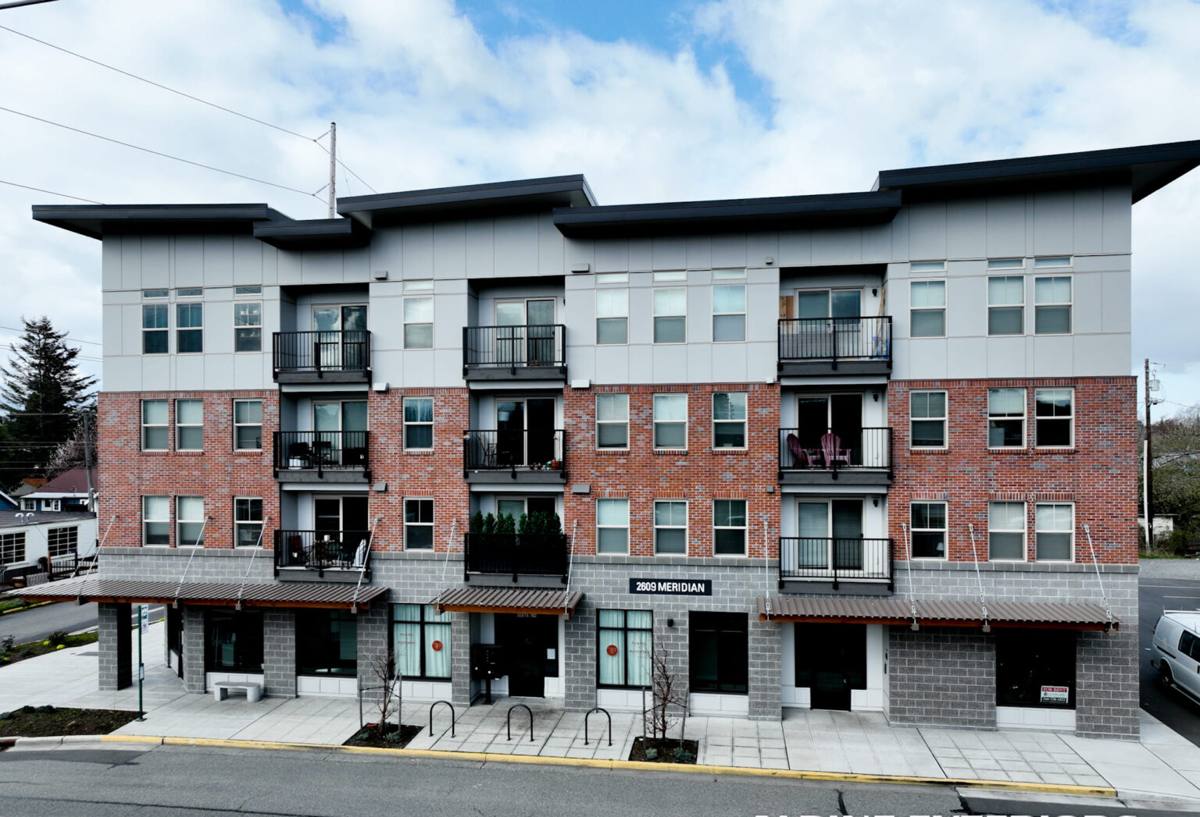
Many homes in this part of St. Petersburg date back several decades, with a mix of original wood-frame construction, additions, and prior remodels layered on top of each other over the years. That matters for siding work for a few practical reasons:
Older wall assemblies need real inspection, not assumptions
On an older home, what's behind the existing siding — sheathing, framing, old flashing details — is not always what current code or manufacturer instructions assume. A proper fiber cement job starts by finding out what's actually there before anything gets nailed up, not by covering over problems.
Tight lots and mature landscaping change the approach
Established neighborhoods like this often have closer lot spacing and mature trees and shrubs close to the house. That affects scaffolding, material staging, and how carefully a crew has to work around plantings, irrigation lines, and neighboring property — it's a different job than siding a home on an open new-construction lot.
Curb appeal and resale expectations run higher
Buyers and neighbors in an established St. Petersburg neighborhood notice siding quality. A flat, chalky, uneven install stands out in a way it might not in a newer subdivision, which is one more reason the finish quality matters as much as the underlying material.
The Climate Factors, One at a Time
| Climate Factor | What It Does to Siding Over Time | What the Siding and Install Need |
|---|---|---|
| Hurricane-force wind | Pulls at fasteners, works loose panels, drives debris impact | Correct fastener type, spacing, and embedment per manufacturer wind-rated specs |
| Year-round intense UV | Breaks down pigments and coatings, causes fading and chalking | A factory-applied finish engineered to resist UV, not a field-applied paint alone |
| Wind-driven rain | Forces water sideways and upward behind panels at laps and penetrations | Proper weather-resistive barrier, flashing, and drainage plane behind the siding |
| Salt air | Accelerates corrosion of fasteners and metal trim, degrades weak substrates | Corrosion-resistant fasteners and a base material that doesn't rot or corrode |
What a Correct Fiber Cement Installation Actually Involves
Fiber cement siding performs the way it's supposed to only when it's installed to the manufacturer's specification — the material itself is not the whole story. On a Crescent Lake home, that means:
- A weather-resistive barrier installed and lapped correctly, with all seams sealed
- Flashing at every window, door, and roof-to-wall intersection, installed before the siding goes up
- Correct fastener type and spacing, driven to the manufacturer's specified depth — not overdriven, not underdriven
- Proper gaps at butt joints and trim to allow for expansion and drainage, not caulked tight everywhere
- Minimum clearance from grade, roofing, and decks so the bottom edge of the siding isn't sitting in standing water or splash-back
- Factory-finished panels handled and cut in a way that doesn't chip or expose raw edges to weather
None of this is complicated in concept. It's just easy to skip when a crew is moving fast, and the mistakes don't show up on the day of installation — they show up in a wind event, or as a slow moisture problem, a year or two later.
Why We Only Install James Hardie
We install James Hardie fiber cement exclusively. We don't install vinyl, LP SmartSide, Cemplank, Allura, or primed wood siding, and we think homeowners deserve an honest reason why, not just a brand preference.
Where the alternatives fall short for this climate
Vinyl softens, warps, and can crack in high heat and impact events, and it has no real fire resistance. Primed wood siding needs an ongoing paint maintenance cycle to keep moisture out, which is a hard ask in a humid, salt-air environment. Engineered wood products like LP SmartSide use a wood-strand substrate that, if the factory coating is ever compromised at a cut edge or fastener point, is vulnerable to moisture intake in a way non-combustible fiber cement is not. These aren't bad products in every application — they're products with trade-offs we're not willing to put on a home in this climate.
What Hardie gets right for Pinellas County homes
James Hardie's HardieZone HZ5 product line is engineered specifically for climates with this combination of heat, humidity, and storm exposure. The fiber cement substrate is non-combustible, doesn't rot, and holds up to wind-driven rain far better than wood-based alternatives. ColorPlus finish is baked on at the factory under controlled conditions, which is a meaningfully more durable, UV-resistant finish than field-applied paint, and it comes with its own finish warranty separate from the product warranty. The combination of substrate warranty and finish warranty is transferable, which matters to buyers if the home ever sells.
Product Comparison at a Glance
| Factor | James Hardie Fiber Cement | Vinyl | Primed Wood / Engineered Wood |
|---|---|---|---|
| Combustibility | Non-combustible | Combustible, can melt/warp in heat | Combustible |
| Moisture behavior | Doesn't rot; engineered for humid climates | Doesn't rot but can warp/crack | Vulnerable if coating is breached |
| Finish durability | Factory-baked ColorPlus finish | Color molded in, can fade/chalk | Field-applied paint, needs recoating |
| Wind/impact resistance | Strong when installed to spec | Can crack or blow off in high wind | Depends on substrate condition |
| Warranty | Long-term, transferable | Varies by manufacturer | Limited, often excludes coating failure |
Our Process for a Crescent Lake Siding Project
1. On-site assessment
We walk the exterior with you, look at the existing siding, trim, and any visible moisture or damage, and talk through what your home actually needs — not a generic package.
2. Tear-off and substrate check
Old siding comes off and we inspect the sheathing and framing underneath before anything new goes up. If there's rot, prior water damage, or deteriorated flashing, that gets addressed first — covering it up isn't an option.
3. Weather barrier and flashing
A correctly lapped weather-resistive barrier goes on, along with flashing at every penetration — windows, doors, vents, and roof intersections.
4. Hardie panel installation
Panels are installed per James Hardie's fastening schedule and clearance requirements, with attention to the wind exposure this part of Florida sees.
5. Trim, caulking, and finish detail
Trim work and joints are finished so the house looks clean and tight, with the proper expansion gaps left where the manufacturer calls for them rather than caulked solid.
6. Final walkthrough
We walk the finished job with you before we consider it done.
Cost Factors for a Crescent Lake Siding Project
Every home is different, so instead of a flat number, here's what actually drives the cost of a fiber cement siding project in this area:
| Factor | Why It Affects Cost |
|---|---|
| Home size and wall complexity | More square footage and more corners, gables, and dormers mean more material and labor |
| Condition of existing sheathing | Rot or storm damage found during tear-off adds repair work before siding can go on |
| Trim and architectural detail | Older homes with more trim, window casing, and decorative detail take more time to finish correctly |
| Access and site constraints | Tight lots, mature landscaping, or limited staging space can slow the work |
| Siding profile and color | Different Hardie profiles (lap, shingle, panel) and ColorPlus colors have different material costs |
We give straight, itemized estimates after seeing the home in person — not a number pulled from a national average.
Maintaining Fiber Cement Siding in a Humid, Salt-Air Climate
Fiber cement is low-maintenance compared to wood or vinyl, but "low-maintenance" isn't "no-maintenance," especially this close to the Gulf. A simple annual routine keeps it performing:
- Rinse the exterior periodically to clear salt residue, pollen, and grime buildup
- Check caulking at trim joints and penetrations for cracking or separation, especially after storm season
- Look at fastener heads and metal trim for early signs of corrosion
- Keep irrigation heads from spraying directly on the siding day after day
- Trim back landscaping that's holding moisture against the wall
- After any major wind event, walk the exterior for loose panels, cracked caulk, or impact damage
Why Hiring a Crew That Already Works Crescent Lake Matters
Siding installation is code- and climate-sensitive work, and a crew that already does this work regularly in St. Petersburg knows the local permitting process, the wind-load documentation the city and county expect, and how older Pinellas County homes are typically built. That's different knowledge than a crew that mostly works inland climates or newer subdivisions elsewhere in the state. A local, experienced crew also has a reputation in the neighborhood to protect — sloppy work travels fast when neighbors talk.
If your home is in Crescent Lake or the surrounding St. Petersburg neighborhoods and you're weighing a siding replacement, we're glad to walk the exterior with you and give you a straight, no-pressure estimate — no obligation, no pushy sales pitch, just an honest look at what your home needs.