 St. Petersburg Siding
 Why Euclid-St. Paul Homes Need a Different Approach to Windows
Euclid-St. Paul sits inside St. Petersburg, which means every window on a home here is dealing with the same conditions that wear down siding, roofs, and paint across Pinellas County: long stretches of intense UV, high humidity, salt-laden air moving in off the Gulf and Tampa Bay, and the real possibility of hurricane-force wind and wind-driven rain during storm season. Older single-pane or early-generation double-pane windows in this neighborhood are often the single biggest source of wasted cooling energy in the house, and in a storm they can be the weakest point in the building envelope. Replacing them with genuinely energy-efficient, properly installed windows addresses both problems at once — lower utility bills day to day, and a tighter, more resilient home when weather turns.
"Energy-efficient" gets used loosely in window advertising. For a home in this part of St. Petersburg, it has to mean something specific: glass and frame performance suited to constant heat and sun, hardware and seals that hold up to salt air, and an installation that meets Florida's wind and water-intrusion standards for this region. A window that performs well in a mild inland climate can still underperform — or fail — here if it wasn't chosen and installed with the Gulf Coast in mind.
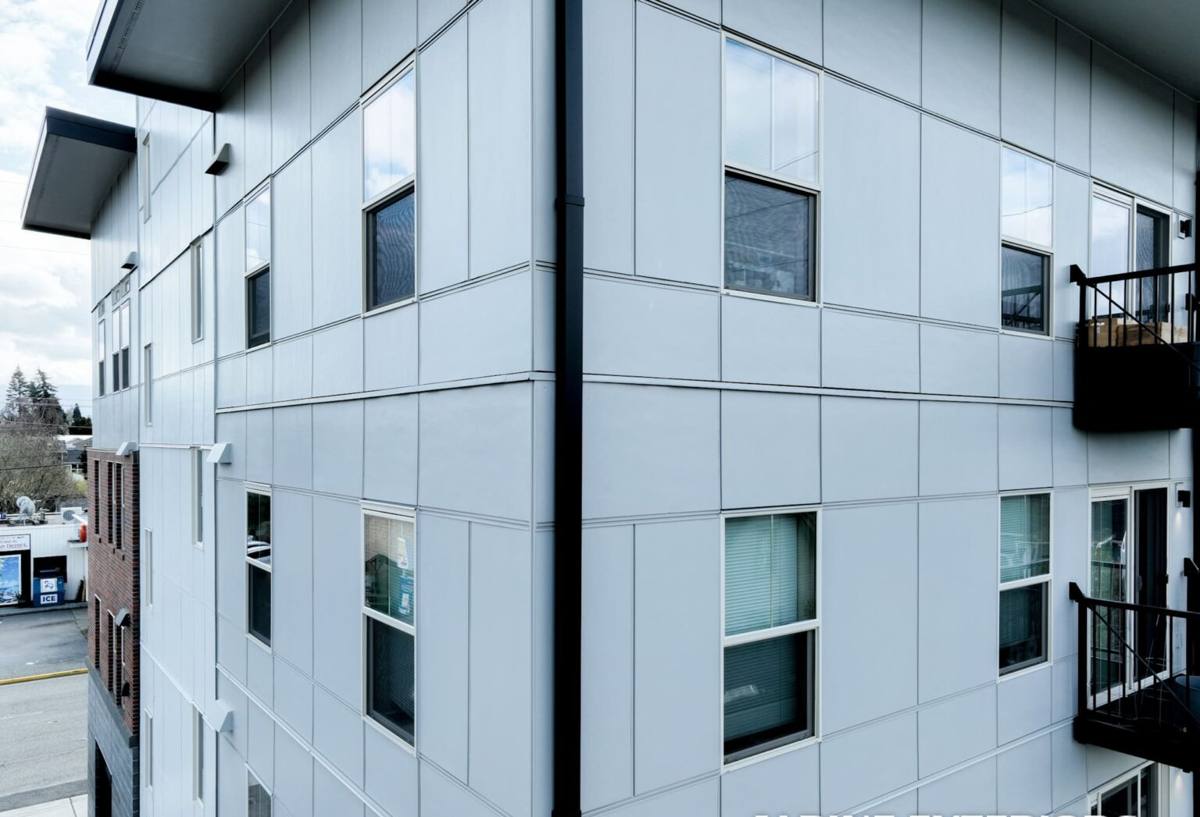
What "Energy-Efficient" Should Mean in This Climate
Low-E Glass and Solar Heat Gain
In St. Petersburg, the dominant energy problem is heat gain, not heat loss. Windows here should be selected primarily for a low Solar Heat Gain Coefficient (SHGC) — this determines how much of the sun's heat actually makes it through the glass into your living space. A low-E coating on the glass reflects infrared heat back outside while still letting visible light in, which keeps rooms brighter without turning them into a greenhouse. For west- and south-facing rooms especially, SHGC matters more than almost any other spec on the label.
U-Factor and Frame Insulation
U-factor measures how well the whole window unit — glass and frame together — resists heat transfer. A lower U-factor keeps conditioned air inside and outdoor heat outside, which matters here even though our winters are mild, because it also affects how hard your AC works during the ten-plus months of the year it's running.
Impact Resistance
Impact-rated glass is built with a laminated interlayer that keeps the glass intact even when it cracks, so wind-borne debris can't punch straight through the window during a storm. In this part of Florida, impact-rated windows also let many homeowners skip separate storm shutters or panels, since the window itself is the protection.
The Local Climate Factors That Drive Our Recommendations
Every window recommendation we make for a Euclid-St. Paul home is filtered through the same short list of regional stressors. Here's how each one actually affects a window over time:
| Climate Factor | What It Does to Windows | What the Window Needs |
|---|---|---|
| Intense, year-round UV | Breaks down vinyl frames, fades interior finishes, degrades seals faster than in northern climates | UV-stabilized frame material, quality low-E glass |
| Hurricane-force wind | Pressure differentials can flex or dislodge poorly anchored frames; debris impact risk | Impact-rated glass or approved shutters, correct anchoring to structural opening |
| Wind-driven rain | Forces water sideways and upward into gaps that gravity-only flashing misses | Proper flashing, sloped sills, sealed integration with wall assembly |
| Salt air / humidity | Corrodes hardware, pits aluminum, promotes mold growth around poor seals | Corrosion-resistant hardware, quality weatherstripping, breathable but sealed detailing |
What a Correct Installation Actually Involves
The window product matters, but in our experience the installation determines whether a "good" window performs like one for the next 20 years or starts failing in five. A correct job in this area includes:
- Removing the old unit and inspecting the rough opening for hidden water damage or rot before anything new goes in
- Confirming the new window is rated for the correct wind pressure zone and design pressure for this specific home and elevation
- Installing per manufacturer instructions and Florida Building Code requirements for this county, including anchoring into structural framing — not just the trim
- Flashing and sealing the opening so wind-driven rain can't track behind the frame, not just caulking the visible edges
- Setting sills with proper slope so any water that does get past the outer seal drains back out
- Testing operation, locks, and drainage before calling the job finished
Skipping any one of these steps is how a homeowner ends up with a window that looks fine but leaks during the first serious storm, or fails a wind-load inspection later. Water intrusion around windows is one of the most common — and most preventable — causes of hidden wall and framing damage we see in older Pinellas County homes.
Our Process for Euclid-St. Paul Homeowners
1. On-Site Assessment
We look at each window opening individually — sun exposure, current condition, signs of past leaks, and the home's overall wind exposure — rather than quoting a blanket product for the whole house.
2. Product Selection
We walk through frame material, glass package, and impact rating options based on that assessment and your budget, explaining the real trade-offs of each rather than pushing one line.
3. Measurement and Permitting
Replacement windows are measured to the actual opening, not the old sash size, and we handle the permitting that's required for window replacement in the city.
4. Installation
Old units come out, openings are inspected and repaired if needed, new windows go in with correct flashing, sealing, and anchoring, and every unit is tested before we consider the job done.
5. Cleanup and Walkthrough
We haul away the old windows and debris and walk the job with you so you know how to operate and maintain the new hardware and seals.
Comparing Frame Materials for This Climate
| Frame Material | Strengths Here | Trade-offs to Consider |
|---|---|---|
| Vinyl (UV-stabilized) | Good insulation, low maintenance, resists salt corrosion | Can soften/expand in extreme heat if not a quality UV-rated formulation |
| Aluminum | Strong, slim sightlines, handles wind loads well | Conducts heat unless thermally broken; needs corrosion-resistant coating near the coast |
| Fiberglass/composite | Very stable in heat and UV, low expansion/contraction | Higher upfront cost than vinyl |
We recommend based on the specific home and budget rather than defaulting to one material — a west-facing wall with heavy sun exposure and a shaded, protected side of the same house can sometimes justify different choices.
Signs Your Current Windows Are Already Costing You
- Rooms near windows feel noticeably hotter than the rest of the house in the afternoon
- You can feel air movement near a closed, locked window
- Condensation forms between panes on a double-pane window (a sign the seal has failed)
- Frames show soft spots, discoloration, or corrosion on hardware
- You hear more outside noise than you'd expect from a "closed" window
- Paint or caulk around the frame is cracking or pulling away from the wall
Any one of these on its own isn't an emergency, but a home with several of them is usually losing real money to conditioned air escaping and gaining heat it shouldn't.
What Affects Cost
We don't quote sight-unseen prices because the honest answer depends on several variables, but the main cost drivers for a Euclid-St. Paul window project are: the number and size of openings, whether the glass is impact-rated or standard with separate shutters, frame material, whether the rough openings need repair once the old windows come out, and how much of the trim and interior finish work is part of the job. We'll walk through all of this during the estimate so there are no surprises once work starts.
Why Hiring a Crew That Already Works This Neighborhood Matters
A contractor who regularly works in St. Petersburg and Pinellas County already knows the wind pressure requirements, the permitting process with the city, and the kinds of construction common to homes in and around Euclid-St. Paul. That familiarity shows up in fewer surprises during the job — the right products get quoted the first time, the permit process moves without back-and-forth, and the installation accounts for how this specific climate treats a window over years, not just how it looks on install day. Windows are a long-term investment in comfort, energy costs, and storm protection; it's worth having them installed by a crew that treats this coastline as their regular work, not an occasional job.
If you're weighing your options for Euclid-St. Paul, we're happy to take a look at your home and give you a straightforward, no-pressure estimate — use the form below to get started.