 St. Petersburg Siding
 Why Decks in Roser Park Wear Out Faster Than the National Average
Roser Park is one of St. Petersburg's oldest neighborhoods, and its mature tree canopy, brick streets, and bungalow-era housing stock give it a character you don't find in the newer subdivisions further inland. That charm comes with a maintenance reality: older lots here often sit close to grade, get heavy shade from established oaks, and were built long before today's deck hardware and fastening standards existed. Add in what Pinellas County throws at any exterior structure year-round — intense UV, wind-driven rain off Tampa Bay, hurricane-force gusts during storm season, and salt-laden air pulled in off the Gulf — and a deck that isn't built with the right materials and details simply doesn't last as long here as it would somewhere drier and cooler.
Most of the deck calls we get in this part of St. Petersburg aren't from bad luck. They're from decks that were built to a budget or built somewhere else's climate assumptions: undersized fasteners that weren't rated for coastal exposure, ledger boards without proper flashing, or joists that were never treated to the level Florida's humidity actually demands. A deck replacement here isn't just swapping old boards for new ones — it's an opportunity to fix the structural and material choices that caused the failure in the first place.
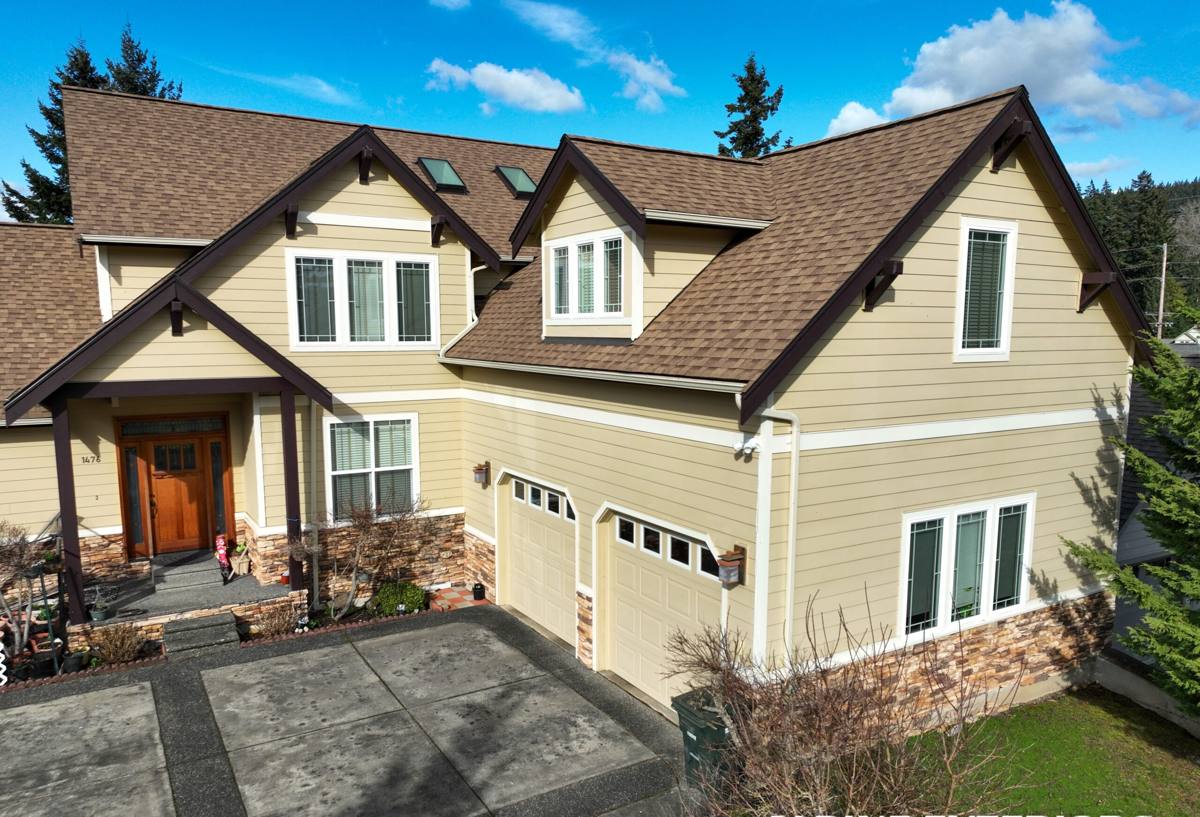
What Roser Park Homes Specifically Need From a Deck Replacement
Shade, Moisture, and Slow Drying
The same tree canopy that makes Roser Park's streets pleasant also means many decks here dry out slower after rain than a deck sitting in full sun elsewhere in Pinellas County. Slow-drying wood is where rot, mold, and insect damage start. A correct replacement accounts for airflow underneath the deck, spacing between boards, and ledger flashing that keeps water from wicking into the house framing.
Older Homes, Different Attachment Points
Because Roser Park's housing stock predates modern deck-building codes, the rim joist or foundation wall a new deck ties into is often not the same as what you'd find on a home built in the last 20 years. We inspect what's actually behind the siding or masonry before we commit to an attachment method — not what a generic plan assumes is there.
Grade, Drainage, and the Ravine Terrain
Parts of Roser Park have more topography and grade change than the flat coastal blocks closer to the water. That affects footing depth, post height, and how stormwater moves under and around the structure. A deck built without accounting for how water actually flows across that lot will hold moisture against posts and footings that should stay dry.
Signs a Deck Needs Replacement, Not Just Repair
Not every tired-looking deck needs to be torn out. But in St. Petersburg's climate, certain signs mean patching individual boards is just delaying a bigger problem:
- Soft, spongy, or spring-back decking when you walk across it, especially near the house
- Visible rot, discoloration, or fungal growth at the ledger board where the deck meets the house
- Rusted, corroded, or backed-out fasteners and connectors — common on decks built with standard (non-coastal-rated) hardware
- Wobble or movement at the railing posts or stair stringers
- Gaps opening up between boards from repeated wet/dry cycling
- Any sign the ledger connection to the house has separated or is trapping water against the framing
- A deck that's more than 15–20 years old and has never had the substructure inspected
If you're seeing two or more of these, repair usually just moves the failure point somewhere else on the same deck within a season or two.
Material Options for St. Petersburg's Climate
There's no single "best" decking material — there's a best material for how you use the deck, your budget, and how much upkeep you're willing to do. Here's how the common options actually perform under Pinellas County sun, humidity, and salt air:
| Material | How It Handles UV & Salt Air | Maintenance | Typical Lifespan Here |
|---|---|---|---|
| Pressure-treated pine | Fine if sealed regularly; UV fades and dries the surface without upkeep | Re-seal/stain every 1–2 years | 10–15 years with consistent maintenance |
| Composite decking | Strong UV and moisture resistance; some early-generation products fade or stain more than newer capped composites | Periodic cleaning, no sealing/staining | 20–25+ years, manufacturer-dependent |
| Tropical hardwoods (e.g., ipe) | Naturally dense and rot-resistant; still needs oil treatment to hold color in strong Florida UV | Annual oiling if you want to keep the color | 20-30 years structurally |
| PVC decking | Excellent moisture and salt resistance; doesn't absorb water like wood-based composites | Low — occasional cleaning | 25+ years |
Whatever decking material a homeowner chooses, we treat the substructure the same way: pressure-treated framing rated for ground contact where applicable, and coastal-rated fasteners regardless of what's on top. The framing is what fails first in this climate — it deserves the same attention as the visible boards.
What a Correct Deck Replacement Actually Involves
A deck replacement done right in St. Petersburg isn't just demo-and-rebuild with new boards. It involves:
- Full demolition and inspection of the old structure, including footings, posts, and the ledger connection to the house
- Footing evaluation — confirming depth and condition meet current code, not just matching what was there before
- Ledger flashing that properly sheds water away from the house rim joist, the single most common failure point on Florida decks
- Coastal-rated, stainless or hot-dip galvanized fasteners and connectors throughout — not the standard-grade hardware that corrodes in salt air within a few years
- Joist spacing and blocking sized for the decking material chosen, since composite and PVC products often require tighter spacing than solid wood
- Proper board gapping for expansion, contraction, and drainage given Florida's humidity swings
- Railing and stair systems built to current code, which matters both for safety and for resale/insurance
Skipping any one of these is how a deck that looks good on installation day starts failing within a few wet seasons.
Permits and Roser Park's Neighborhood Character
Deck replacements in St. Petersburg generally require a building permit, and Pinellas County's wind-load and coastal construction standards apply regardless of how far you are from the water. In an established historic neighborhood like Roser Park, it's also worth thinking about how the new deck reads with the house — homeowners here are often more particular about railing style, board orientation, and how the structure sits with an older bungalow or Craftsman-style home than they would be in a newer subdivision. We handle the permitting and build to code either way, but we also pay attention to that context because it's part of doing the job right in this neighborhood.
Our Process
1. On-Site Assessment
We walk the existing deck, check the ledger connection, footings, and framing condition, and talk through how you actually use the space — entertaining, grilling, pets, kids — so the rebuild fits your life, not just a template.
2. Straightforward Proposal
You get a clear scope and price before any work starts: demolition, framing, decking material, hardware, railing, and permitting, with no vague allowances that turn into change orders later.
3. Permitting and Scheduling
We pull the required permits and schedule around Florida's weather patterns, avoiding the middle of active storm windows where possible.
4. Demo, Rebuild, Inspection
Full removal of the old structure, rebuild to code with coastal-rated materials, and final inspection sign-off.
5. Walkthrough
We walk the finished deck with you, cover basic care for whatever material you chose, and make sure everything's tight before we call it done.
Why Hire a Crew That Already Works in Roser Park
A contractor who works Roser Park regularly already knows the older attachment points, the grade challenges from the ravine terrain, the tree canopy's effect on drying time, and what the neighborhood expects a finished project to look like. That's fewer surprises during demo, fewer change orders, and a deck built for the lot it's actually on — not a generic spec sheet. It also means we're not learning St. Petersburg's permitting process or Pinellas County's coastal building requirements on your project; that's baseline knowledge before we ever show up.
Protecting the Investment After Installation
Whatever material you choose, a few habits go a long way in this climate:
- Clear leaves and organic debris from between boards regularly, especially under heavy tree cover
- Check and re-seal wood decking on schedule — don't wait until it looks dry and gray
- Rinse salt residue off the deck surface and hardware periodically if you're closer to the water
- Inspect the ledger flashing and fasteners once a year for corrosion or separation
- Keep gutters and downspouts near the deck clear so runoff isn't dumping extra water at the footings
If you're in Roser Park and your deck is showing its age, we're happy to take a look and give you a straightforward, no-pressure estimate on what a proper replacement would involve — no obligation, just an honest read on where things stand. Use the form below to get started.