 St. Petersburg Siding
 Why Decks in Bartlett Park Wear Out Faster Than Homeowners Expect
Bartlett Park sits inland enough to feel like it should be sheltered, but it isn't spared from what St. Petersburg throws at outdoor structures all year. A deck here is exposed to more combined stress than most homeowners realize until the boards start cupping, the fasteners bleed rust, or the frame starts to feel spongy underfoot. Understanding what's actually attacking the wood or composite is the first step to building something that lasts.
Sun and Heat
Pinellas County gets a brutal amount of direct UV exposure nearly every month of the year. On uncovered decks, that sun bakes the surface fibers of wood decking, breaking down lignin and causing graying, splintering, and cracking well before the structure underneath is actually failing. Composite and PVC decking resist UV breakdown far better than wood, but even those products vary a lot in fade resistance and heat retention, which matters if bare feet are walking across it in July.
Wind-Driven Rain and Ground Moisture
Florida rain rarely falls straight down. Wind-driven rain gets pushed sideways into ledger boards, railing posts, and the undersides of decking where water can sit instead of draining. Combine that with our humidity and a water table that's close to the surface in a lot of St. Petersburg neighborhoods, and you get the conditions that rot wood framing from the inside out, often while the top surface still looks fine.
Salt Air and Corrosion
St. Petersburg's proximity to Tampa Bay and the Gulf means salt-laden air travels further inland than people expect, including into Bartlett Park. Salt accelerates corrosion on any fastener, bracket, or joist hanger that isn't rated for coastal exposure. This is one of the most common reasons we see decks fail structurally years before the visible decking material does — the hardware holding it together corroded first.
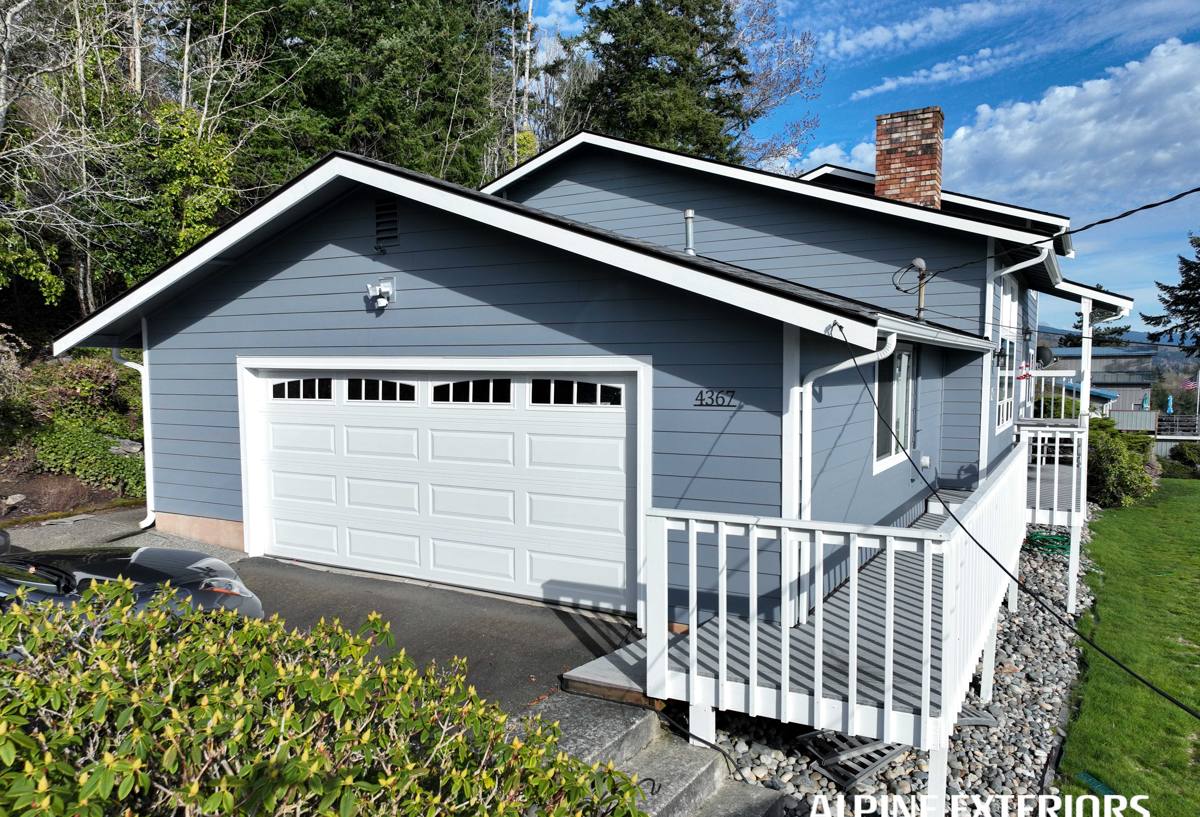
Signs Your Bartlett Park Deck Needs Replacement, Not Just Repair
Not every tired-looking deck needs to come down. But there's a point where patching boards is just delaying a bigger, more expensive failure. Here's what tells us a deck has crossed that line:
- Soft, spongy, or bouncy spots in the decking or framing when you walk across it
- Visible rot, rust streaks, or crumbling wood at the ledger board where the deck meets the house
- Railing posts that wiggle or have visible gaps at their base connections
- Fasteners that are heavily corroded, missing, or backing out of the wood
- Footings that have shifted, cracked, or show signs of settling unevenly
- A deck more than 15-20 years old that has never had its structural framing inspected
- Persistent mold, mildew, or a musty smell coming from underneath the deck
If you're seeing two or more of these, it's worth having someone look at the framing before spending more money on surface repairs.
What a Correct Deck Replacement Involves
Framing, Footings, and Ledger Attachment
The part of a deck nobody sees is the part that actually determines how long it lasts. Footings need to be sized and set to local frost and soil conditions, which in this part of Florida usually means dealing with sandy, well-draining soil rather than frost heave — but that doesn't mean shortcuts are safe, especially with the wind loads a structure has to handle here. The ledger board, where the deck attaches to the house, has to be properly flashed to keep water from wicking into the house's rim joist. A poorly flashed ledger is one of the single most common causes of hidden rot behind an otherwise decent-looking deck.
Fasteners and Hardware
Given the salt air across the St. Petersburg area, we don't use standard hardware on deck replacements. Stainless steel or coated fasteners rated for coastal and treated-lumber exposure cost more up front, but they're the difference between hardware that lasts the life of the deck and hardware that's visibly corroding within a few seasons. This is one area where cutting corners is invisible at handoff and expensive to fix later, since it usually means tearing into finished decking to get to it.
Decking Material Choice
The surface material matters, but it's only one part of the job. A beautiful composite deck built on undersized framing or with the wrong fasteners will still fail — just more slowly and expensively than a cheap wood deck would have. Every replacement we do treats the frame, the hardware, and the surface as one system, not three separate decisions.
Decking Material Options for Pinellas County Conditions
There's no single "best" decking material — there's a best fit for your budget, how much upkeep you're willing to do, and how the deck will be used. Here's how the common options actually perform under St. Petersburg's sun, humidity, and salt exposure:
| Material | UV/Heat Performance | Moisture Behavior | Maintenance |
|---|---|---|---|
| Pressure-treated wood | Fades and grays without regular finishing; gets hot but tolerable barefoot | Prone to splitting and warping if not sealed; needs treatment to resist rot | Annual cleaning and resealing recommended |
| Composite decking | Good fade resistance; darker colors can get hot in direct sun | Resists rot and moisture absorption well; won't splinter | Periodic cleaning; no staining or sealing needed |
| Capped PVC | Excellent fade and UV resistance | Fully moisture-resistant; best option near standing water or ground contact | Lowest maintenance; occasional washing |
| Tropical hardwoods | Naturally dense and UV-tolerant but will still gray without oiling | Naturally rot-resistant when properly finished | Requires periodic oiling to maintain color and moisture resistance |
We'll walk through these trade-offs honestly during your estimate rather than pushing whatever has the best margin. If you want the lowest long-term maintenance and don't mind the higher upfront cost, PVC or composite is usually the right call for an uncovered Bartlett Park deck. If budget is the priority and you're willing to keep up with sealing, treated wood still has a place.
Permits and Wind-Load Requirements
Deck replacements in St. Petersburg fall under Pinellas County and city permitting requirements, and framing has to meet Florida Building Code wind-load standards for our region. This isn't paperwork for its own sake — those requirements exist because decks here have to survive tropical storm and hurricane-force wind events, not just everyday weather. A properly permitted and inspected deck replacement means the ledger attachment, post spacing, and railing connections have all been checked against the loads they actually need to handle. We handle the permitting and inspection scheduling as part of the job, not as an add-on.
How Our Deck Replacement Process Works
- On-site assessment: We inspect the existing deck's framing, ledger, footings, and hardware to determine what's actually failing and why.
- Honest scope and estimate: You get a written estimate that spells out material options, what's structural versus cosmetic, and a realistic timeline.
- Permitting: We pull the required permits and schedule inspections so the work is documented and code-compliant from the start.
- Demolition and disposal: The old deck comes down and materials are hauled off, with care taken to protect the surrounding yard and house siding.
- Framing rebuild: New footings, posts, joists, and a properly flashed ledger are installed to current code and wind-load standards.
- Decking and railing installation: Your chosen decking material and railing system go in with coastal-rated fasteners throughout.
- Final walkthrough and inspection: We review the finished deck with you and make sure it passes final inspection before we call the job done.
Caring for Your New Deck Through Hurricane Season
A well-built deck should require very little maintenance, but a few habits extend its life significantly in our climate. Rinse off salt residue and organic debris periodically, especially after storms, since salt buildup accelerates hardware corrosion over time. Keep gutters and downspouts directing water away from the deck's footings rather than pooling around them. Before hurricane season, walk the deck and check railings, stair connections, and any furniture or planters that could become wind hazards. If you have a wood deck, don't let sealing lapse — once the finish fails, Florida's sun and rain go to work on bare wood fast.
Why Hiring a Crew That Already Works Bartlett Park Matters
Deck failures in this area follow patterns — ledger rot from wind-driven rain, corroded hardware from salt exposure, footings that were never sized for the sandy soil common around St. Petersburg. A crew that's worked in Bartlett Park and the surrounding Pinellas County neighborhoods has already seen these failure points repeatedly and builds to prevent them from the start, rather than learning the hard way on your project. We're also familiar with local permitting requirements and inspection processes, which keeps the job moving instead of stalling on paperwork. That local track record is worth more than a lower bid from a crew that doesn't know why decks fail here in the first place.
If your Bartlett Park deck is showing its age or you're planning ahead of hurricane season, we're happy to take a look and give you a straightforward assessment. Fill out the form below for a free, no-pressure estimate — we'll tell you honestly whether you need a full replacement or just targeted repairs.