 St. Petersburg Siding
 Deck Building in Disston Heights
Disston Heights sits inland enough from Tampa Bay to feel a little removed from the waterfront, but it's still Pinellas County, and that means the same sun, humidity, and storm exposure that every St. Petersburg neighborhood deals with reaches your backyard too. A deck here isn't just a weekend carpentry project — it's an outdoor structure that has to survive a Florida summer, a Florida hurricane season, and everything in between, year after year. Building one that actually holds up takes different choices than building the same deck somewhere with a milder climate.
We build and replace decks throughout Disston Heights and the surrounding St. Petersburg area, and most of what separates a deck that looks good for two years from one that looks good for fifteen comes down to decisions made before the first board goes down: the framing, the fasteners, the footing depth, and the material itself.
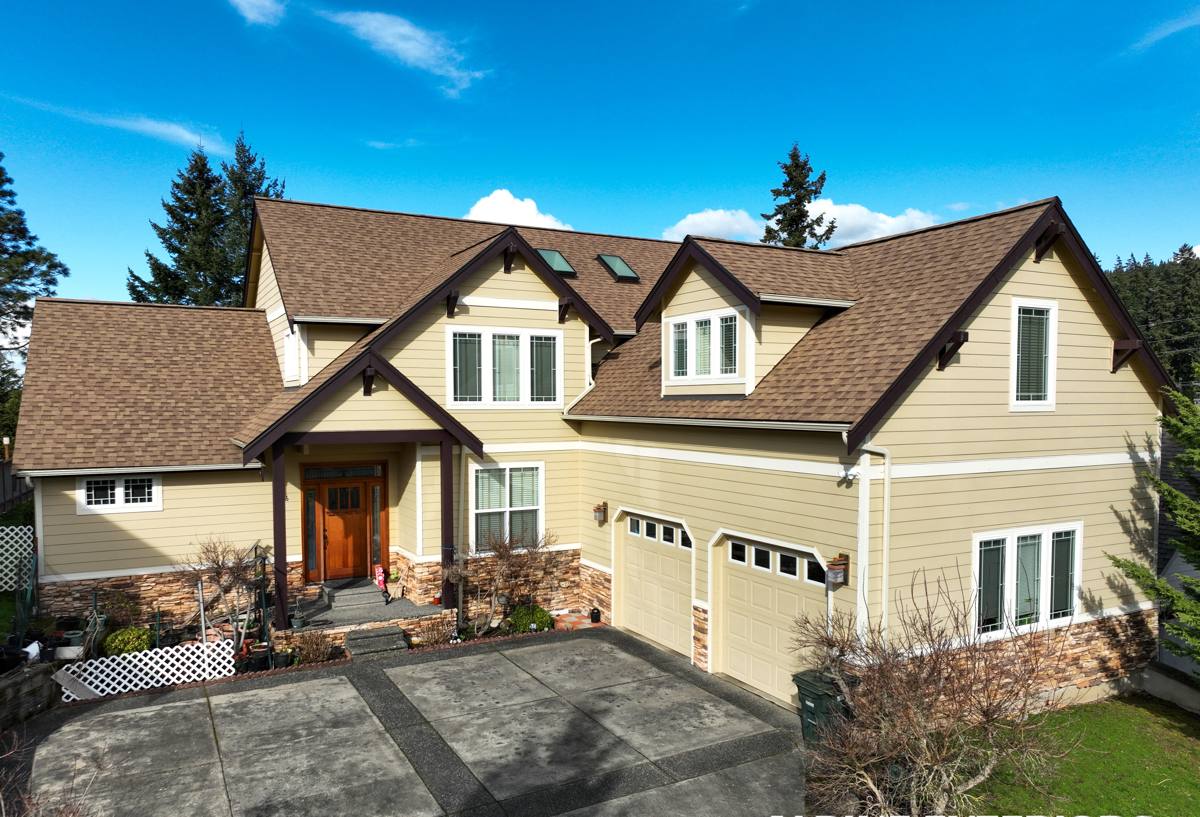
What Disston Heights Homes Need From a Deck
Disston Heights is mostly single-family homes on established lots, many with mature tree cover, which changes the calculus on deck materials and design more than people expect. A few things we account for on nearly every project in this neighborhood:
- Shade and moisture retention: Tree canopy is great for cutting afternoon heat, but it also means decks stay damp longer after rain, which accelerates wood decay and encourages mildew if the wrong material or finish is used.
- Intense UV exposure: Where the deck isn't shaded, Florida's year-round sun bleaches and dries out wood fast, and it degrades cheaper composite boards faster than their warranty paperwork suggests.
- Wind-driven rain: Storms here don't just drop rain straight down — wind pushes it sideways under railings, into ledger board connections, and into any gap that wasn't properly flashed.
- Hurricane-force wind loads: Even away from the immediate coastline, Pinellas County sees real wind events, and a deck attached to your house is a structural load path that has to be engineered for it, not just nailed together.
- Humidity and insect pressure: Florida's climate is friendly to wood-boring insects and rot fungi alike, so untreated or poorly detailed framing lumber is a long-term liability even if it looks fine on installation day.
Where Decks in This Area Usually Fail Early
The Ledger Board Connection
The ledger board — where the deck attaches to the house — is the single most common failure point we see on older or poorly built decks. If it isn't properly flashed to shed water away from the house sheathing, water gets trapped behind it. In a humid climate like ours, that trapped moisture doesn't dry out between rain events, and it rots the connection from the inside long before it's visible from outside.
Undersized or Shallow Footings
Florida soil and Florida wind loads both push toward deeper, properly sized footings than a lot of quick-build decks actually use. A footing that's adequate in a low-wind region isn't necessarily adequate here, and it's not something you can fix after the fact without tearing into the structure.
Fasteners That Aren't Rated for the Climate
Standard steel screws and nails corrode fast in Florida's humidity and salt-tinged air, even well inland. Corroding fasteners lose grip strength over time, which shows up as squeaking, board movement, and eventually loosened railings — usually years before the wood itself would have failed.
Decking Boards Installed Tight
Wood and composite boards both expand and contract with heat and moisture. Boards installed without the manufacturer's specified gap can buckle, cup, or crack as they move through Florida's temperature and humidity swings.
Choosing a Decking Material for This Climate
There's no single "best" decking material — it's a real trade-off between upfront cost, maintenance commitment, and how the material behaves in heat, humidity, and shade. Here's how the common options compare for a Disston Heights backyard:
| Material | Upfront Cost | Maintenance | Climate Notes |
|---|---|---|---|
| Pressure-treated pine | Lowest | Needs re-sealing every 1-2 years | Affordable and repairable, but most prone to warping and rot in shaded, damp areas if maintenance slips |
| Composite decking | Mid to high | Low — occasional washing | Resists rot and insects well; quality varies a lot by brand, and cheaper composites can fade or flake under constant UV |
| Tropical hardwoods (e.g., ipe) | High | Periodic oiling to maintain color | Naturally dense and rot-resistant, handles humidity well, but installation is unforgiving of mistakes |
| PVC decking | High | Very low | Doesn't absorb moisture at all, good in shaded/damp spots, but can feel harder underfoot and shows scratches differently than wood-look composites |
For a shaded Disston Heights lot with mature trees, we usually steer homeowners away from bare pressure-treated pine as a long-term surface unless they're committed to a real sealing schedule — the shade that keeps the deck cool also keeps it wet longer after every rain. Composite and PVC options cost more up front but remove most of that maintenance burden.
How We Build a Deck to Last Here
1. Site and Structural Assessment
We look at drainage around the proposed footprint, tree root proximity, sun/shade exposure through the day, and how the deck will tie into the house. This is also where we check whether a permit and engineered plans are needed, which for most attached decks in St. Petersburg, they are.
2. Framing and Footings Built for Wind and Soil
We size footings for the actual load and wind conditions here, not a generic minimum, and we use joist and beam spacing that accounts for the decking material chosen — composite and PVC boards often need tighter joist spacing than solid wood to avoid deflection.
3. Ledger Flashing Done Right
Proper flashing — not just caulk — at the ledger board is non-negotiable on our jobs. This is the detail that determines whether the deck stays structurally sound at its attachment point for the long run.
4. Corrosion-Resistant Fasteners and Hardware
We use fasteners and structural connectors rated for exterior, high-humidity use, matched to whatever decking material is going down, so galvanic corrosion between dissimilar metals isn't a slow-motion problem down the line.
5. Decking Installation With Proper Gapping and Ventilation
Boards go down with manufacturer-specified spacing, and we make sure there's airflow underneath the deck so moisture has somewhere to go instead of sitting trapped against the framing.
6. Railings and Code Compliance
Railing height, baluster spacing, and stair geometry all follow current Florida building code — this matters both for safety and for resale, since an out-of-code deck can become a problem during a home inspection later.
Maintenance That Actually Matters in Pinellas County
A well-built deck still needs upkeep, but what matters most here isn't the same as what matters in a drier climate. A practical seasonal checklist:
- Sweep leaves and debris off the deck surface and out of gaps between boards regularly — trapped organic matter holds moisture against the material.
- Check the ledger flashing and any visible fastener heads once a year for rust staining or gaps in the seal.
- Rinse salt residue and pollen film off the surface periodically, even away from the immediate coast — it accumulates over time.
- Inspect railings and stair connections for looseness after any major storm, not just annually.
- Re-seal or re-oil wood decking on the schedule the product actually requires, not just when it starts looking gray.
- Trim back overhanging branches that keep the deck surface shaded and damp longer than it needs to be.
Permits and Inspections for Decks in St. Petersburg
Most attached decks, and many freestanding ones above a certain height, require a building permit and inspection in the City of St. Petersburg. This isn't paperwork for its own sake — it's the mechanism that catches undersized footings or bad ledger connections before they're buried under decking boards. We handle the permitting process as part of the job, which also means the finished deck is documented and won't create a surprise during a future home sale or insurance review.
Why Hire a Crew That Already Works This Neighborhood
Deck building sounds simple until you're the one troubleshooting why a "generic" build is failing three years early. A crew that already works Disston Heights and the wider St. Petersburg area knows the shade patterns typical of these older, tree-lined lots, understands what Pinellas County's permitting office expects, and has already made — and learned from — the material and fastener choices that either hold up or don't in this specific combination of heat, humidity, and storm exposure. That local repetition is worth more than it sounds like on paper; it's the difference between a deck built to a generic spec sheet and one built for the actual conditions it has to survive.
If you're planning a new deck or need to replace one that's showing its age, we're happy to take a look and talk through honest options for your property — no pressure, no hard sell. Reach out for a free estimate using the form below.