 St. Petersburg Siding
 Building a Deck That Can Actually Handle Coquina Key
Coquina Key sits on the water — canals wrap most of the neighborhood, and a lot of backyards look straight out onto open water or a private dock. That's the appeal of living here, and it's also exactly why a deck built for this part of St. Petersburg needs to be built differently than a deck in an inland subdivision. Salt in the air, near-constant sun, wind-driven rain off Tampa Bay, and the occasional hurricane all work on outdoor wood and hardware at a faster pace than most manufacturers' warranties assume. A deck that would hold up fine for fifteen years somewhere in the Midwest can start showing corrosion, cupping, or loose railings in a fraction of that time here if it wasn't built with this climate in mind.
This page covers what we actually do differently for a deck built in Coquina Key — the materials, the hardware, the structural details, and the process — so you know what to expect and what questions to ask any contractor before you sign a contract.
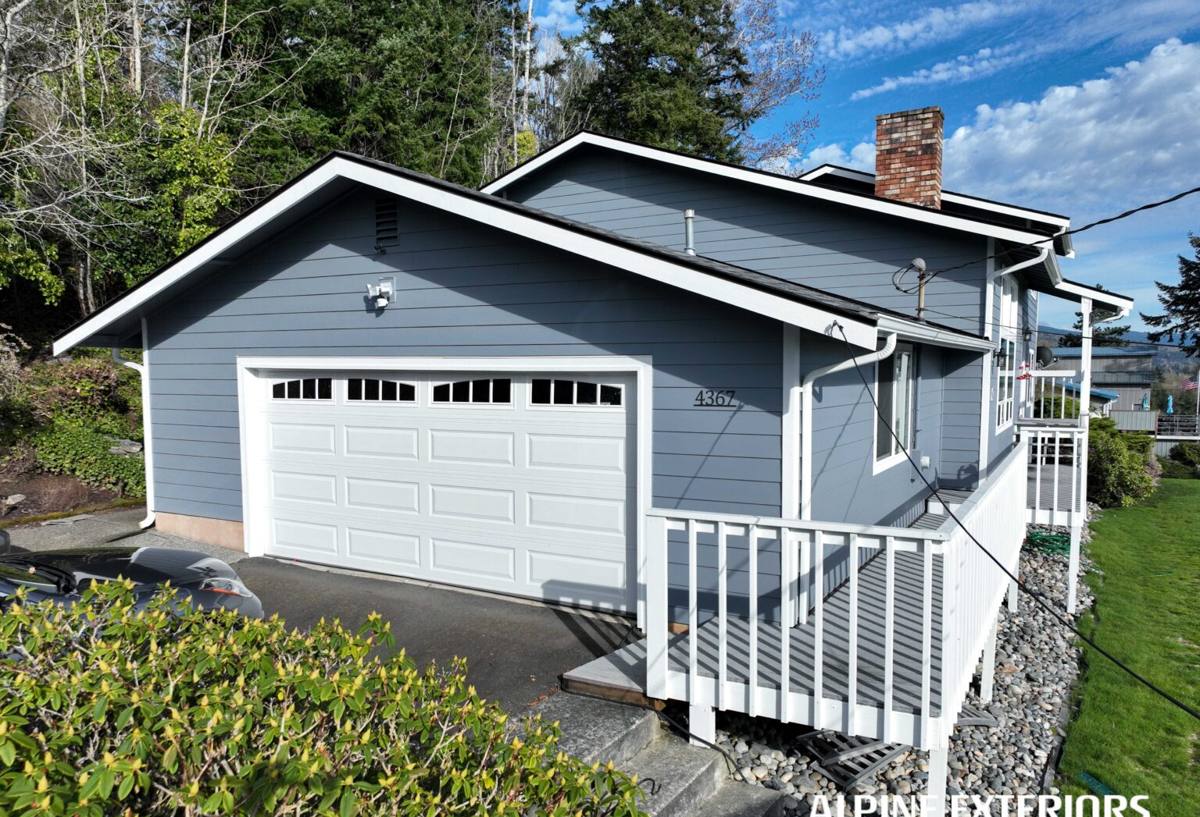
What Coquina Key's Setting Demands From a Deck
Salt Air and Corrosion
Being surrounded by canal water and close to Tampa Bay means the air here carries more salt than a few miles inland. Salt is aggressive on untreated or improperly coated metal — it accelerates rust on fasteners, joist hangers, and railing hardware. A deck that uses the wrong grade of screws or brackets can develop rust streaks and weakened connections well before the wood itself shows any wear.
Sun and UV Breakdown
Pinellas County gets strong, direct sun for most of the year. UV exposure dries out wood fibers, fades stains and finishes, and breaks down the resin binders in lower-quality composite decking over time. A deck surface that isn't rated or finished for this level of sun exposure will gray, splinter, or chalk faster than the same product would in a milder climate.
Wind-Driven Rain and Standing Water
Florida rain doesn't just fall straight down — storms push it sideways, and it finds its way into any gap in flashing, decking seams, or fastener holes. Water that sits in a joint or pools on a poorly sloped surface leads to rot in wood framing and mold or mildew on any decking material, wood or composite. Proper drainage and gapping between boards matter more here than in drier climates.
Hurricane-Force Wind Loads
A deck attached to your house, or a freestanding deck near open water, has to resist real uplift and lateral wind loads during a tropical storm or hurricane, not just support foot traffic. That means the connections — ledger boards, post bases, joist hangers, and railing posts — carry as much structural importance as the decking surface people actually walk on.
Choosing the Right Decking Material
There's no single "best" decking material for every home — it depends on your budget, how much upkeep you're willing to do, and how close you are to the water. Here's how the common options actually compare for a Coquina Key property:
| Material | Upfront Cost | Maintenance | Salt/Sun Performance | Typical Lifespan |
|---|---|---|---|---|
| Pressure-Treated Pine | Lowest | Annual cleaning + resealing | Fair — needs consistent upkeep near salt air | 10–15 years |
| Tropical Hardwood (e.g. ipe) | Highest | Periodic oiling to maintain color | Excellent — naturally dense and rot-resistant | 25+ years |
| Capped Composite | Mid-to-High | Occasional washing, no sealing | Very good — capped shell resists fading and moisture | 20–30 years |
| PVC Decking | High | Lowest — soap and water | Excellent — no wood fibers to absorb moisture or salt | 25–30 years |
Pressure-Treated Wood
Still the most affordable option and a reasonable choice if you're comfortable with a maintenance routine — cleaning, checking for popped fasteners, and resealing every year or two. It's the one that suffers most from being skipped: neglected pressure-treated decking near salt air checks, cups, and grays fast.
Tropical Hardwoods
Dense hardwoods hold up extremely well against sun, moisture, and salt with minimal structural maintenance, but the wood is harder to work with — it requires specific fasteners and pre-drilling, which is part of why it costs more in labor, not just material.
Composite and PVC Decking
Our default recommendation for most Coquina Key homes, especially anything close to a canal. A quality capped composite or PVC board doesn't absorb water the way wood does, doesn't need staining, and holds its color better under constant Florida sun. The tradeoff is a higher material cost and the fact that quality varies a lot between product lines — we'll walk you through which lines have a track record we trust and which ones we've seen underperform their warranty claims in this climate.
What's Underneath Matters More Than What's on Top
A deck's decking boards get all the attention, but the framing and hardware underneath are what actually determine whether it survives a storm and stays safe over time.
Fasteners and Hardware
We use stainless steel or heavy hot-dip galvanized fasteners and connectors rated for coastal exposure — not the standard-coated hardware that's fine inland but corrodes visibly within a couple of years here. This is one of the most common shortcuts we see on decks built by crews unfamiliar with coastal Pinellas County conditions, and it's usually the first thing to fail.
Footings and Post Bases
Footings need to be sized and set to local soil conditions and depth requirements, with post bases that keep wood off standing water and away from direct soil contact. On lots close to the water table, this detail matters even more, since ground moisture is a constant rather than a seasonal issue.
Ledger Attachment
For decks attached to the house, the ledger board connection is one of the most safety-critical parts of the whole structure. It needs proper flashing to keep wind-driven rain from getting behind it and rotting the house's rim joist, plus the right fastening pattern to resist both the deck's weight and wind uplift.
Permits, Codes, and Wind Considerations in Pinellas County
Most new decks and significant deck rebuilds in St. Petersburg require a permit, and the plans need to meet Florida Building Code requirements for structural loads and wind resistance — the same general wind provisions that apply to other exterior construction in the county. For waterfront and canal-front lots, there can be additional considerations around setbacks, elevation, and dock or seawall proximity that a contractor familiar with this specific area will already know to check before we ever finalize a design. Skipping or shortcutting the permit process might save time upfront, but it can create real problems later — at resale, at insurance renewal, or if the structure is ever damaged in a storm and a claim depends on it having been built to code.
Our Deck Building Process
Every deck we build in Coquina Key follows the same core process, adjusted for your specific lot and layout:
- On-site consultation. We walk the property, look at drainage, sun exposure, proximity to the canal or seawall, and how you actually plan to use the space.
- Design and material selection. We talk through decking material, railing style, and layout, with honest tradeoffs on cost versus long-term maintenance.
- Permitting. We handle the permit application and engineering documentation required by the city, so the structure is fully compliant before we build.
- Framing and structural work. Footings, posts, beams, and joists go in first, using coastal-rated hardware throughout, with every connection inspected before decking goes down.
- Decking, railing, and finish work. Boards are installed with proper spacing and fastening for the material chosen, followed by railings, stairs, and any fascia or skirting.
- Final walkthrough and inspection. We go over the finished deck with you, and the project passes its required city inspection before we consider it complete.
What a Coquina Key Deck Actually Costs
Every project is different, but these are the main variables that move the price up or down:
| Factor | Why It Matters |
|---|---|
| Size and footprint | More square footage means more framing, footings, and decking material |
| Material choice | Pressure-treated wood costs less upfront; hardwood and composite cost more but need less upkeep |
| Height and structure | A deck elevated well above grade needs more substantial framing, stairs, and railing than a low ground-level deck |
| Railing style | Cable, glass, and custom railing systems cost more than standard baluster railing |
| Site access | Canal-front lots with limited equipment access can add labor time |
| Permitting and engineering | Larger or elevated structures may require additional engineering review |
We'll never give you a number over the phone without seeing the site — but we will always break down exactly what's driving your quote, line by line, so you know what you're paying for.
Keeping Your Deck Ready for Next Season
A well-built deck still needs some regular attention in this climate. A simple annual routine goes a long way:
- Rinse off salt residue and debris after storms, especially on hardware and railing posts
- Check fasteners and connections for rust streaks, looseness, or corrosion at least once a year
- Clean mold or mildew from shaded or low-airflow areas before it spreads
- Reseal or restain wood decking on the manufacturer's recommended schedule, not just when it looks faded
- Clear debris from between boards and around footings so water keeps draining properly
- Inspect the ledger flashing and any spot where the deck meets the house for signs of moisture intrusion
Why Hire a Crew That Already Works This Neighborhood
A deck contractor who's worked in Coquina Key already knows how the city's permitting process handles canal-front and waterfront lots, what hardware actually holds up here versus what fails early, and how to sequence a build around this neighborhood's tighter, water-adjacent lots. That local familiarity shows up in fewer surprises during permitting, fewer callbacks for corrosion or loose hardware down the line, and a build that's sized and detailed correctly the first time. St. Petersburg Siding Co works throughout Pinellas County, and we treat every deck the same way we treat siding and exterior work in this climate: built to the conditions that are actually here, not the conditions a product's warranty was written for somewhere else.
If you're thinking about a new deck or need an existing one rebuilt or repaired, we're happy to come take a look and give you a straightforward, no-pressure estimate — just fill out the form below.