 St. Petersburg Siding
 Why Childs Park Homes Need Windows Built for This Climate
Windows in Childs Park don't have an easy job. They sit through the same conditions as the rest of St. Petersburg and Pinellas County — long stretches of intense UV that bake frames and seals, wind-driven rain that finds every weak seam, salt air drifting in off Tampa Bay that corrodes hardware over time, and the real possibility of hurricane-force winds during storm season. A window that was a reasonable choice in a drier, cooler climate often isn't the right choice here. When we work on custom windows in this neighborhood, we're not just matching a size and installing whatever's on the truck — we're accounting for how the specific conditions on this property, this exposure, and this home will treat that window over the next fifteen or twenty years.
"Custom" in this context doesn't necessarily mean unusual shapes or high-end architectural glass, although we do that too. More often it means a window built to the actual opening, the actual wind load, and the actual orientation of a specific house — rather than a stock size forced into place with shims and extra caulk. That distinction matters more in a coastal Florida climate than almost anywhere else in the country.
The Housing Stock in Childs Park — What We Typically Find
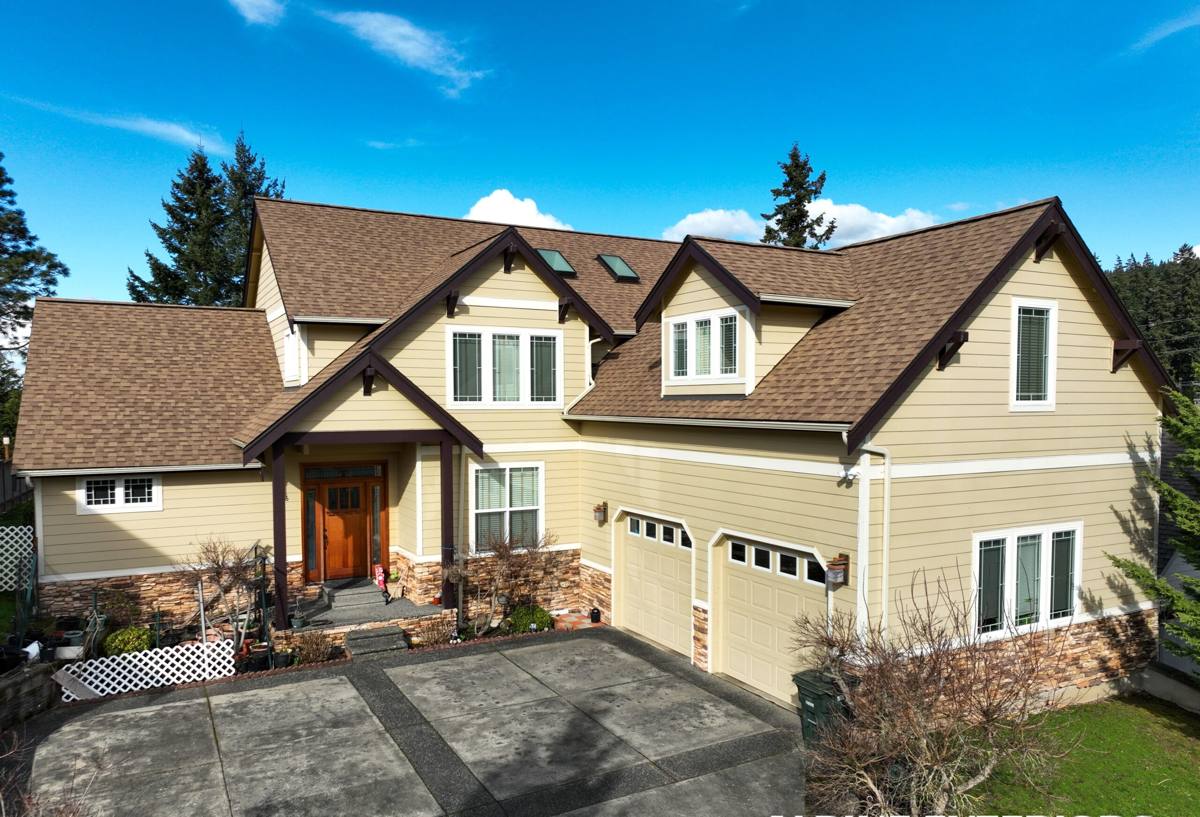
Like much of St. Petersburg's established neighborhoods, homes in and around Childs Park span a wide range of ages and window histories. On many properties we're replacing single-pane aluminum-frame windows that have been in place for decades — frames that have pitted, glass that's fogged or cracked, and weep holes that no longer drain the way they should. On others, homeowners are replacing a previous round of vinyl replacement windows that were installed without proper attention to the opening and have started leaking at the corners or sagging in their frames.
What both situations have in common is that the original rough opening was almost never built with today's wind-load and impact standards in mind. That means a proper custom window job here usually starts with an honest look at the opening itself — not just the glass and frame that will fill it — before we talk about materials or style.
Florida Code Requirements That Apply Here
Wind-Borne Debris Region
Pinellas County falls within Florida's wind-borne debris region under the Florida Building Code. In practical terms, that means new and replacement windows generally need to either carry an impact rating or be paired with code-approved protection, and the specific requirement can depend on the home's wind speed zone, height, and exposure category. We check this for every custom window job rather than assuming a blanket answer, because it genuinely varies house to house.
Design Pressure Ratings
Every window installed under Florida code carries a Design Pressure, or DP, rating — a measure of how much wind load and pressure the assembly can take before failure. The correct DP rating for a given opening depends on the home's height, its location relative to open water, and its exposure. A window with too low a DP rating for its location is a liability in a storm; one with a much higher rating than needed usually just adds unnecessary cost. Getting this number right is part of doing the job correctly, not an upsell.
Permitting in St. Petersburg
Window replacement in the city of St. Petersburg typically requires a permit, and inspections confirm the installed product matches what was permitted — including its impact rating or approved protection. We handle the permit application and schedule the inspection as part of the job, so homeowners aren't left tracking down paperwork or waiting on the phone with the building department.
Choosing the Right Window Material and Glass
There's no single "best" window for every Childs Park home — the right choice depends on the home's exposure, the homeowner's budget, and how much maintenance they want to take on long-term. Here's how the common options compare for this climate specifically:
| Option | How it handles UV, salt air, and storms | Maintenance | Relative cost |
|---|---|---|---|
| Vinyl, non-impact | Good UV resistance in quality vinyl; needs storm shutters or panels to meet wind-borne debris requirements | Low | Lower |
| Vinyl, impact-rated | Laminated glass resists wind-borne debris directly; frame holds up well to salt air and sun | Low | Mid |
| Aluminum, impact-rated | Strong and slim-profile, but bare aluminum is more prone to salt-air corrosion without a good finish | Moderate | Mid to higher |
| Wood or wood-composite | Best appearance for older or historic-style homes, but most exposed to Florida's humidity and UV without diligent upkeep | Higher | Higher |
| Fiberglass, impact-rated | Very stable in heat and UV, resists corrosion, holds paint well | Low | Higher |
Our default recommendation for most Childs Park homes is impact-rated vinyl or fiberglass, because it removes the need to install and store separate hurricane shutters, holds up well to salt air without special coatings, and satisfies the wind-borne debris requirement on its own. Wood and wood-composite windows are frequently requested for their look, and we'll install them when that's the priority — but we tell homeowners honestly up front what the added maintenance commitment looks like in this climate before they commit to it.
What a Correct Installation Actually Involves
Rough Opening Prep
Before a new window goes in, the opening itself needs to be checked and, if necessary, repaired — rot, corrosion, or settling around the old frame won't fix itself just because a new window is installed over it. We remove the old unit fully rather than installing a smaller replacement inside the existing frame ("pocket" installs), which lets us actually inspect and correct the opening instead of sealing problems inside the wall.
Flashing and Sealing
This is where a lot of window leaks actually start, and it's the step that's easiest to rush. Proper flashing directs water around the window rather than into the wall cavity, and it has to be layered correctly — not just caulked over. In a climate with regular wind-driven rain, a flashing detail that's "close enough" eventually shows up as a stain on an interior wall or soft spot in the framing.
Fastening and Anchoring
Impact-rated and high-DP windows only perform to their rating if they're anchored the way the manufacturer's engineering calls for — correct fastener type, spacing, and embedment into structural framing or masonry. This is one of the areas building inspectors check closely, and it's also one of the areas where a rushed or inexperienced install most often falls short even though it's invisible once the trim goes back on.
Our Process, Start to Finish
- On-site assessment — we look at each opening individually, note the home's exposure and wind zone, and check current condition around existing windows.
- Product and DP recommendation — we walk through material and glass options with real trade-offs, not a single "recommended" package.
- Measurement and ordering — custom windows are built to the actual opening, not a nearest-stock-size approximation.
- Permitting — we file with the City of St. Petersburg and schedule the required inspection.
- Removal and opening prep — old units come out fully; any rot, corrosion, or framing issues are addressed before the new window goes in.
- Installation — proper flashing, sealing, and anchoring per manufacturer specification and code.
- Inspection and walkthrough — we confirm the finished work passes inspection and walk the homeowner through operation and care.
Cost Factors to Expect
Every home is different, and we'd rather give a homeowner an honest, specific number after seeing the actual openings than a broad estimate that doesn't hold up. That said, these are the main factors that move the price up or down on a custom window job in this area:
| Factor | Why it matters |
|---|---|
| Impact rating required | Impact-rated glass and frames cost more than standard glass paired with separate shutters, but remove the need to store or install protection before storms |
| Frame material | Vinyl is generally the most budget-friendly; wood and fiberglass run higher |
| Opening size and shape | Custom or oversized openings, and non-standard shapes, take more material and labor than stock sizes |
| Condition of the existing opening | Rot, corrosion, or settling found during removal adds repair work before the new window can go in |
| Number of windows | Doing a whole house at once typically costs less per window than one-off replacements over time |
| Permit and inspection fees | Set by the city, and required for compliant, insurable work |
Why a Crew That Already Works Childs Park Matters
A window installer who works this neighborhood regularly already knows the general age and construction patterns of the housing stock here, has a working relationship with St. Petersburg's permitting process, and has a realistic sense of what wind zone and exposure assumptions apply locally rather than guessing from a statewide default. That familiarity shows up in small but real ways — fewer surprises once an old opening is exposed, a permit application that doesn't bounce back for missing information, and a install that accounts for how salt air and sun actually behave on this side of the bay rather than treating Florida as one uniform climate.
It also means we're not a one-time crew that disappears after the invoice is paid. If a seal needs attention or a homeowner has a question two years down the road, we're still working in the same neighborhood and easy to reach.
Keeping Your Windows Performing Once They're In
Custom, correctly installed windows are built to need very little from a homeowner — but a small amount of upkeep goes a long way in this climate:
- Rinse frames and glass periodically to clear salt residue, especially on homes closer to open water
- Check exterior caulking and sealant lines once a year for cracking or gaps, particularly after a hard summer storm season
- Keep weep holes on aluminum or vinyl frames clear of dirt and debris so water can drain properly
- Operate locks and hardware a few times a year, even on windows that stay closed, to keep mechanisms from seizing
- Watch for condensation between panes on insulated glass — it usually signals a failed seal, not a cleaning issue
- Have storm protection (shutters, panels, or impact glass) inspected before hurricane season if it's been more than a couple of years
If you're noticing drafts, fogged glass, frames that are chalky or pitted, or windows that are getting harder to open and close, those are usually signs the current windows are falling behind rather than something to patch around indefinitely.
If you're weighing custom window options for a home in Childs Park, we're glad to take a look and give you a straightforward, no-pressure estimate — just fill out the form below and we'll go from there.