 St. Petersburg Siding
 Why Crescent Lake Homes Need Windows Built for This Climate
Crescent Lake is one of St. Petersburg's older, established neighborhoods, and that shows in the housing stock — a mix of 1920s-through-mid-century bungalows, Mediterranean Revivals, and ranch-style homes, many with window openings that were never meant to fit anything off a big-box shelf. When those original windows finally fail, the fix usually isn't a simple swap. It's a custom job, sized to openings that predate modern manufacturing standards.
On top of the age factor, this is Pinellas County — a peninsula where every window on a home eventually deals with hurricane-force wind gusts, near-constant UV exposure, wind-driven rain, and salt-laden air moving in off Tampa Bay and the Gulf. Windows here don't fail the way they do inland. Seals break down faster, aluminum frames pit and corrode, and wood frames that aren't properly protected rot from the inside out. A window that's "custom" for Crescent Lake means more than a non-standard size — it means the right frame material, the right glass package, and an installation that accounts for what this specific climate does to a home over time.
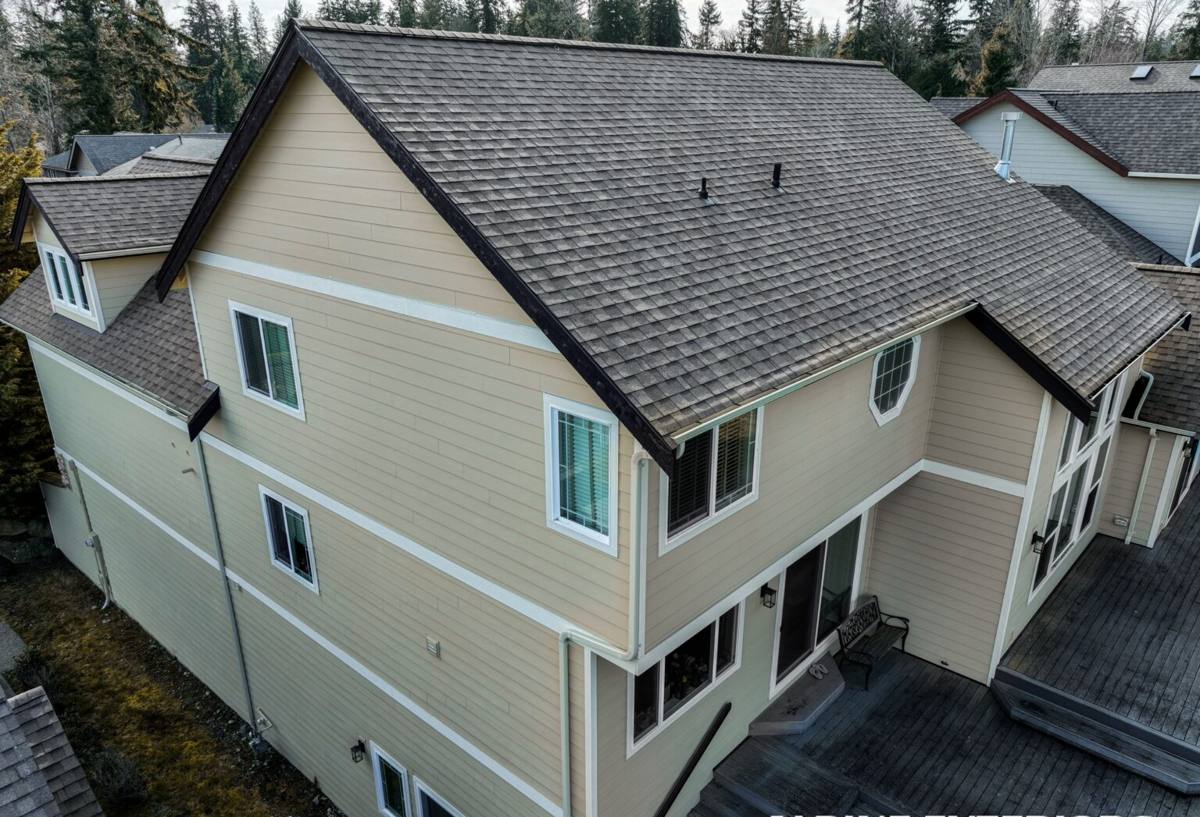
What "Custom" Actually Means for This Neighborhood
Custom windows fall into a few different situations, and it's worth knowing which one applies to your home before you start pricing anything out:
- True custom sizing — older Crescent Lake homes often have openings that don't match any current standard size, especially around original wood-frame construction or additions built over the decades.
- Custom shapes — arched tops, transoms, and other architectural details common on older St. Pete homes need windows manufactured to that exact geometry, not a stock rectangle with trim built around it.
- Historic-appropriate replacement — homes with a period look often call for a window that matches the original sightlines, grille pattern, and proportions, even though the materials and performance underneath are entirely modern.
- Standard size, custom performance — sometimes the opening is a normal size, but the home needs wind-rated, impact, or high-performance glass that isn't part of a basic builder-grade line.
The mistake we see most often is a homeowner assuming they need one of these when they actually need a different one — paying for full custom fabrication when a standard size with an upgraded glass package would have done the job, or the reverse, forcing a stock unit into an opening that was never square to begin with. Part of doing this correctly is measuring the actual opening, not guessing from a tape measure at the store.
Wind, Code, and What "Rated for This Address" Really Means
Pinellas County sits inside Florida's wind-borne debris region, which means new and replacement windows in most of the area need to meet minimum wind-load and impact-protection requirements under the Florida Building Code — either impact-rated glass or an approved protective covering system. The exact design pressure requirement for a given house depends on its location, height, exposure, and roof geometry, and that's determined at the permitting stage, not guessed at.
What this means practically for a Crescent Lake homeowner: the window that's technically "correct" for a coastal-facing home in Gulfport might carry a different rating requirement than one a few blocks inland, even within the same neighborhood. Any contractor proposing windows for your home should be pulling the actual permit requirement for your address, not selling you a one-size-fits-all package. We handle the permitting and code compliance as part of the job — you shouldn't have to chase that down yourself.
Impact vs. Protected Openings
You generally have two paths to meeting code: laminated impact-rated glass that stays intact under debris impact, or standard glass paired with code-approved shutters or panels installed before a storm. Impact glass costs more up front but requires no separate storm routine — it's simply there, doing its job, every day of the year, including blocking UV and cutting noise even outside of storm season. Shutter systems cost less initially but require you to actually deploy them ahead of every storm, and they do nothing for daily UV or noise performance.
Frame Materials: What Holds Up in Salt Air
| Material | How It Handles Coastal Conditions | Trade-offs |
|---|---|---|
| Vinyl | Won't corrode or rust; handles humidity well | Can expand/contract with heat; color choices are more limited than wood |
| Fiberglass | Very stable in heat and humidity; strong dimensional stability | Higher upfront cost than vinyl |
| Aluminum | Strong and slim sightlines, good for larger openings | Prone to pitting and corrosion near salt air without proper coatings; conducts heat more than other options |
| Wood | Matches historic character best | Needs consistent maintenance and protective finishing to resist rot and moisture in this climate |
| Wood-clad | Wood interior look with a protective exterior shell | Cladding quality varies — matters more here than in drier climates |
For Crescent Lake specifically, where a lot of homes carry a wood-window look homeowners want to preserve, wood-clad and fiberglass options tend to strike the best balance — they hold the appearance without asking for the same upkeep raw wood needs this close to the bay.
Glass: Where the Real Performance Difference Is
The frame protects the opening; the glass does most of the work against sun and storms. A few things worth understanding before you choose:
- Low-E coatings reduce solar heat gain — important here, where AC runs most of the year and unfiltered western or southern exposure can noticeably raise a room's temperature.
- Laminated glass (used in impact-rated units) holds together on impact instead of shattering, which is both the storm protection mechanism and a security benefit the rest of the year.
- Insulated glass units (double-pane) cut down on both heat transfer and outside noise, which matters more in denser in-town neighborhoods like Crescent Lake than it does out in more spread-out suburbs.
- Tint and reflective coatings can help with glare and heat but change the appearance of the glass — something to weigh carefully on a home where street-facing curb appeal matters.
How We Approach a Crescent Lake Install
1. On-Site Assessment and Measurement
We measure every opening individually — no assuming two windows on the same wall are identical, which is a bad assumption on a lot of older homes. We also check the surrounding framing and sill for water damage or rot before quoting anything, because that affects the install, not just the window.
2. Code and Permit Review
We pull the actual wind-load requirement for your address and handle the City of St. Petersburg / Pinellas County permitting process as part of the job.
3. Manufacturing
Custom units are built to the exact measured openings and specified glass/frame package — this is typically the longest lead-time step, and we'll give you a realistic timeline up front rather than an optimistic one.
4. Removal and Installation
Old units come out carefully to avoid unnecessary damage to plaster, stucco, or original trim, especially on older homes where that trim can be harder to replicate. New units go in properly flashed and sealed — the flashing and sealant detail is what actually keeps wind-driven rain out, and it's the step that gets rushed on cheap installs.
5. Final Inspection
We check operation, seal integrity, and code sign-off before calling the job done.
Cost Factors to Expect
Every custom window job prices out differently, but the main variables are consistent:
| Factor | Why It Moves the Price |
|---|---|
| Opening size and shape | Non-standard and arched/shaped openings require custom fabrication, not stock sizing |
| Frame material | Wood and wood-clad cost more than vinyl; fiberglass sits in between |
| Glass package | Impact-rated laminated glass costs more than standard insulated glass |
| Number of openings | Whole-house replacement typically has a lower per-window cost than one-off jobs |
| Condition of existing framing | Rot or water damage found during removal adds repair work before the new window goes in |
| Historic detailing | Matching original grille patterns or profiles adds fabrication time |
We give a written estimate that breaks these out, so you can see what's driving the number rather than a single lump figure.
Signs Your Current Windows Are Already Behind
- Visible fogging or moisture between panes — the seal has failed and the insulated glass unit needs replacing
- Frames that feel soft, discolored, or show corrosion, especially on aluminum units
- Windows that are difficult to open, close, or lock properly
- Noticeable drafts or a room that's harder to keep cool than the rest of the house
- Visible daylight or gaps around the frame
- Wood trim showing soft spots, staining, or paint failure near the window edges
- Rising energy bills without another clear cause
Any one of these on its own isn't necessarily urgent. Several at once, especially on a home that's had its original windows for decades, usually means it's time to plan the replacement rather than wait for a failure during storm season.
Why a Crew That Already Works Crescent Lake Matters
A contractor who's worked this neighborhood knows the housing stock — the odd opening sizes, the older framing methods, the balance between preserving a home's character and meeting current wind code. That experience shows up in fewer surprises during removal, more accurate initial measurements, and a permitting process that doesn't stall because someone guessed wrong on the wind-load requirement. It also means we're a known, local name if a warranty question ever comes up — not a company that did one job in the area and moved on.
If you're weighing custom windows for a Crescent Lake home, we're happy to come take a look, measure the actual openings, and walk you through what your specific house needs — no pressure, no generic sales pitch. Reach out using the form below for a free estimate.