 St. Petersburg Siding
 Composite Decking in Crescent Lake: What Actually Holds Up Here
Crescent Lake's mix of older bungalows, updated mid-century homes, and newer infill sits close enough to Tampa Bay that every outdoor structure takes a beating from sun, salt-tinged air, and summer storms. A deck that would last decades in a drier, cooler climate can start failing here in a fraction of that time if it's the wrong material or the installation cuts corners. Composite decking, done right, is one of the few outdoor flooring systems that genuinely holds up to what Pinellas County throws at it year after year — but "composite" covers a wide range of products and installation quality, and not all of it is built for this climate.
This page is about composite decking specifically for Crescent Lake properties: what the neighborhood's shade cover, humidity, and storm exposure demand from a deck, how a correct installation is put together, and what to expect when you work with a crew that already knows the area.
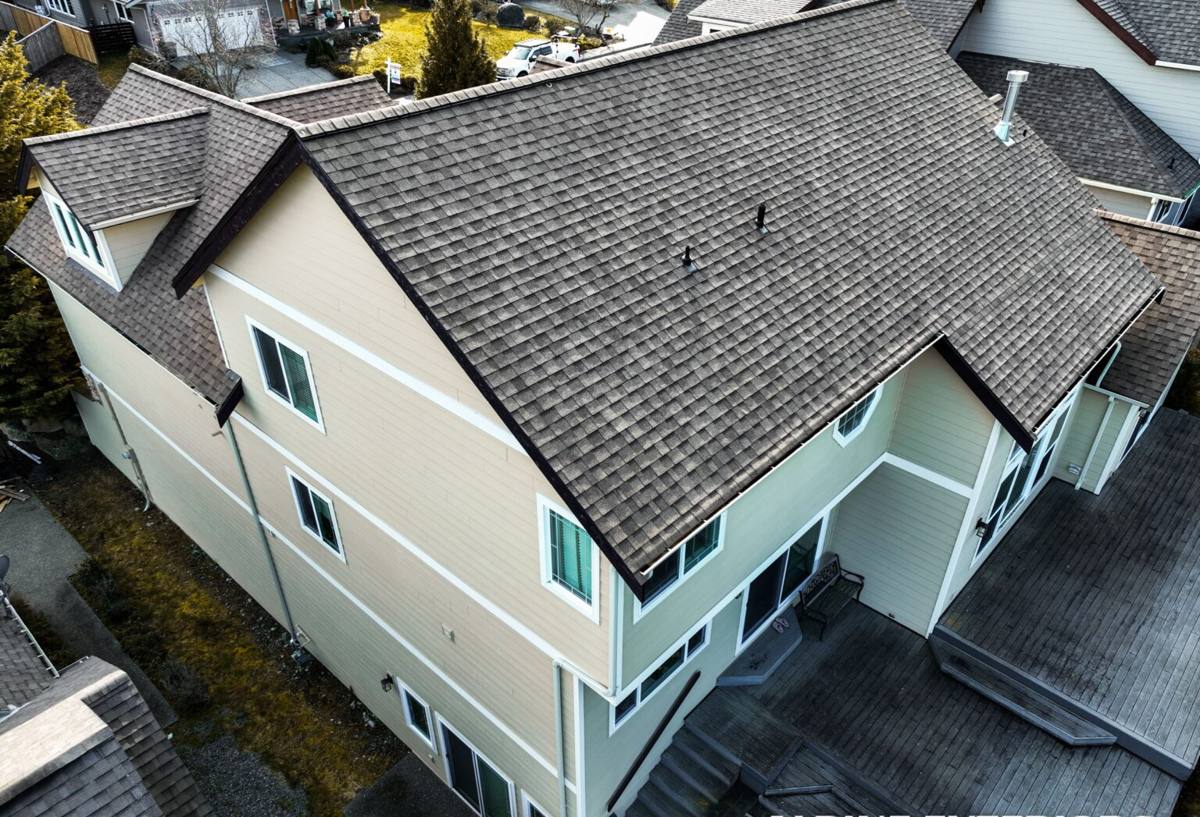
Why Crescent Lake's Climate Is Hard on Decking
St. Petersburg sits in a subtropical climate zone where decking gets hit from several directions at once, not just one obvious threat:
- Intense, year-round UV. Florida's sun angle and clear-sky days mean decking surfaces absorb far more UV exposure annually than most of the country. Cheap composite blends and unprotected wood both fade, chalk, or degrade faster under this load.
- Humidity and moisture cycling. Pinellas County's humidity rarely lets up, and afternoon storms mean decking is wet, then baking hot, then wet again — sometimes within the same day. Materials that swell, warp, or trap moisture underneath will show it within a few seasons.
- Wind-driven rain and hurricane-season storms. Crescent Lake isn't directly on the water, but it's close enough to Tampa Bay and the Gulf that tropical systems bring sideways rain and real wind loads. Fastening, ledger attachment, and substructure spacing all need to account for that, not just calm-day loads.
- Salt air. Even set back from the immediate coastline, homes in this part of St. Petersburg get measurable salt exposure carried in on Gulf breezes. Over time that accelerates corrosion on fasteners and hardware that aren't rated for it.
None of these factors alone is unusual — plenty of regions deal with heat, or humidity, or storms. It's the combination, repeated every year, that separates a deck that looks good for two summers from one that's still solid after fifteen.
What a Correct Composite Deck Build Involves
Substructure First
The composite boards get the attention, but the framing underneath is what determines whether the deck survives a Florida wet season. That means pressure-treated or naturally rot-resistant framing lumber, joist spacing tightened to the manufacturer's spec for our humidity levels (often closer than the minimum spacing used in drier climates), and proper ledger flashing where the deck attaches to the house so wind-driven rain can't work its way behind the siding.
Fasteners and Hardware
Given the salt air across St. Petersburg, hardware matters more here than it would inland. Stainless steel or coated fasteners rated for coastal exposure cost more up front but avoid the rust streaking and hardware failure that plain galvanized fasteners can show within a few years this close to the Gulf.
Ventilation Underneath
Composite decking still needs airflow beneath the boards. Low-clearance decks or ones built tight against grade trap humidity underneath, which shows up as mold, mildew, or moisture-related board issues even on a material that's technically rot-proof. A correct build accounts for clearance and drainage from the start, not as an afterthought.
Board Spacing and Expansion Gaps
Composite boards expand and contract with heat, and Crescent Lake's swing between a hot deck surface at 2pm and a cooled-down surface after an evening storm is real. Manufacturers publish gapping specs for exactly this reason. Skipping them is one of the most common shortcuts we see on decks that were installed by crews unfamiliar with how the material behaves in this climate.
Choosing a Composite Product for This Climate
Not every composite board on the market is built the same way, and the differences matter more here than in milder climates. The table below covers the general categories homeowners are choosing between.
| Type | How It Handles Florida Sun & Moisture | Maintenance | General Cost Position |
|---|---|---|---|
| Capped composite (polymer shell over composite core) | Best UV and moisture resistance of the composite category; shell resists fading and staining | Occasional wash; no sealing or staining | Higher upfront, lowest long-term upkeep |
| Uncapped composite | More prone to surface fading, moisture absorption at cut edges, and mold in humid shaded areas | Periodic cleaning; more sensitive to grime buildup | Mid-range |
| PVC decking | Fully synthetic, handles UV and moisture very well; can run hotter underfoot in direct sun | Low; similar wash routine to capped composite | Comparable to or above capped composite |
| Pressure-treated wood | Needs regular sealing to resist Pinellas humidity and UV; without upkeep it grays, cups, and splinters faster here than in drier climates | Annual or biannual sealing/staining | Lowest upfront, highest lifetime maintenance cost |
We install capped composite as our standard recommendation for Crescent Lake because it's the best match for what the area's sun and moisture cycle actually does to a deck over time. That's a professional judgment based on maintenance burden and long-term performance, not a claim that other materials can't work — wood decks can still be the right call for a homeowner who wants that look and is committed to the upkeep.
Board Color and Heat
Darker composite colors look sharp but run noticeably hotter underfoot in direct Florida sun. On decks with significant unshaded exposure, we'll talk through lighter or mid-tone color options if comfort matters as much as appearance — it's a tradeoff worth discussing before ordering material, not after.
How Our Process Works
- On-site assessment. We look at sun exposure, drainage, existing structure (if replacing an old deck), and how the space connects to the house before recommending a board type or layout.
- Substructure evaluation or build. If we're replacing decking on an existing frame, we inspect it for rot, proper spacing, and ledger flashing before installing new boards on top of it. A frame that's not sound doesn't get new decking laid over it — we address it first.
- Material selection with you. We walk through board type, color, and railing options against your budget and how you actually use the space.
- Installation. Framing or repairs, then decking installed to manufacturer gapping and fastening specs, with coastal-rated hardware throughout.
- Final walkthrough. We check board alignment, fastener finish, and edge details with you before calling the job done.
Why It Matters That We Already Work in Crescent Lake
A crew that's worked decks throughout St. Petersburg and Pinellas County isn't guessing at how a material will hold up here — we've seen which composite products handle a full Florida summer without chalking, which hardware actually resists the salt air, and where drainage problems tend to show up on the lot sizes and elevations common in this part of the city. That local track record shows up in details a first-time or out-of-area crew is more likely to miss: ledger flashing that actually sheds wind-driven rain, joist spacing tightened for humidity rather than built to a drier-climate minimum, and fastener choices that won't be rusting within two seasons.
It also means faster, more accurate quotes. We're not learning Pinellas County permitting or local wind-load considerations on your project — that's groundwork we've already covered on other decks nearby.
Maintenance: What Composite Decking Still Needs
Composite decking is low-maintenance, not no-maintenance, especially in a climate this humid. A short, honest checklist for keeping a Crescent Lake composite deck in good shape:
- Sweep or rinse off leaf litter and pollen regularly — trapped organic debris is what feeds mold and mildew growth in humid climates like ours.
- Wash the surface a couple times a year with a mild soap and water (or manufacturer-approved cleaner) to prevent grime and mildew buildup, more often in shaded, low-airflow areas.
- Check underneath periodically for debris blocking airflow or drainage, especially after storm season.
- Inspect fasteners and railing hardware yearly for early signs of corrosion, particularly on decks closer to open water.
- Avoid pressure-washing at high pressure directly into board seams — it can drive water where it shouldn't go and damage the surface finish on some products.
Cost Factors Worth Understanding Upfront
Composite decking costs vary by square footage, board tier, railing choice, substructure condition, and site accessibility. Rather than quote a number that won't reflect your actual project, here's what tends to move the price:
| Factor | Why It Affects Cost |
|---|---|
| Board tier (capped vs. uncapped vs. PVC) | Material cost per square foot varies significantly across tiers |
| Existing frame condition | Rotted or undersized framing needs rebuilding before new decking goes down |
| Deck height and railing requirements | Taller decks and code-required railings add labor and material |
| Site access | Tight side yards or elevated lots slow material staging and labor |
| Hardware spec | Coastal-rated fasteners cost more than standard-grade hardware but hold up far longer here |
We give a firm, itemized quote after seeing the site — not a phone estimate — because the substructure condition alone can shift the number significantly.
Get a Straight Answer for Your Deck
If you're weighing a new composite deck or replacing tired decking in Crescent Lake, we're happy to take a look and give you an honest read on what your space needs — no pressure, no upsell. Fill out the form below for a free estimate.