 St. Petersburg Siding
 Gulfport is a small, tightly packed waterfront community on the edge of St. Petersburg — bungalows, mid-century cottages, and a mix of older and newer construction sitting close together along narrow streets near Boca Ciega Bay. Board and batten siding shows up a lot here, and it makes sense: the vertical lines and crisp shadow gaps suit the cottage-and-bungalow character of the neighborhood in a way that flat lap siding sometimes doesn't. It's a good look for this area. The question is whether it's built to last in it.
Gulfport's location puts homes directly in the path of everything Pinellas County's climate throws at an exterior: hurricane-force wind during storm season, intense UV exposure nearly every day of the year, wind-driven rain that doesn't behave like a normal rainstorm, and salt air drifting off the bay that never really lets up. Board and batten has more seams and more fastener points per square foot than standard lap siding, which means it has more places for that combination to find a way in if the material and the installation aren't built for it. We work Gulfport regularly as part of our St. Petersburg service area, and this page covers what a board and batten job actually needs to hold up here — not the generic version of this topic.
What Board and Batten Siding Is
Board and batten is a vertical siding system built in two layers: wide flat boards or panels go up first, then narrower strips — the battens — are fastened over the seams between them. The result is a repeating pattern of raised vertical lines with real shadow depth, which reads as more architectural than a flat wall of horizontal lap siding. It works as a full-house treatment, but it's just as common as an accent: a gable, a dormer, a porch surround, or a single feature wall paired with lap siding on the rest of the home.
The style itself isn't the hard part. Getting it to survive a Gulfport summer — sun, humidity, sudden storms, salt air — without the seams opening up or the finish breaking down is where the real work happens, and it depends almost entirely on what's under the paint and how the panels were put on the wall.
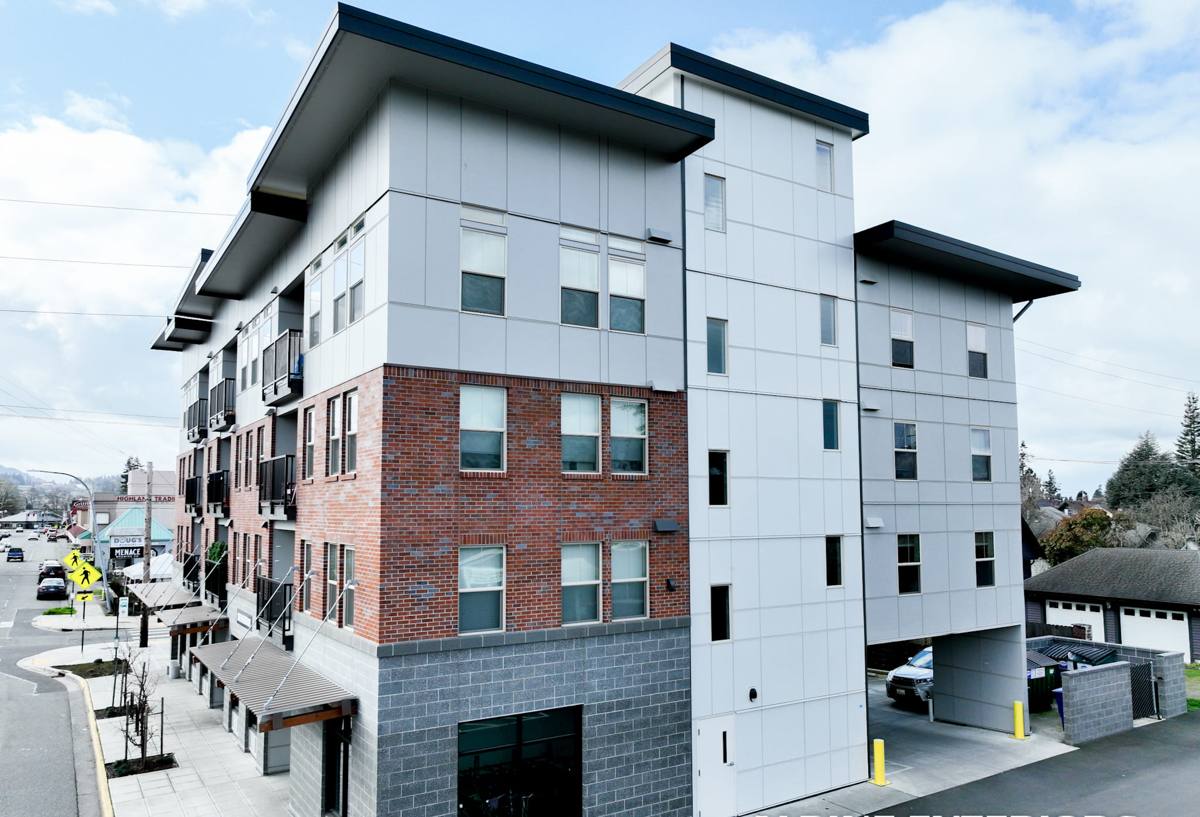
What Gulfport's Climate Does to Vertical Siding
Every material on a home's exterior in this part of Pinellas County deals with the same four stresses, more or less constantly. Board and batten is more exposed to all four than flat siding because it has more seams and more raised edges catching wind and sun at different angles throughout the day.
| Climate factor | What it does to board & batten | What the siding needs to resist it |
|---|---|---|
| Hurricane-force wind | Works at panel edges and battens, loosens fasteners over repeated storm seasons | Correct fastener type, spacing, and embedment matched to manufacturer wind-load specs |
| Year-round UV | Fades and chalks field-applied paint, dries out caulk, breaks down unprotected wood fiber | A factory-cured, UV-stable finish rather than a paint film applied on site |
| Wind-driven rain | Pushes water sideways into vertical seams instead of letting it run straight down the wall | A continuous water-resistive barrier, correct flashing, and a drainage gap behind the panels |
| Salt air off the bay | Accelerates corrosion on fasteners, trim, and any exposed metal | Corrosion-resistant hardware rated for coastal, marine-influenced exposure |
Why the Seams Are the Weak Point
Lap siding sheds water by design — each course overlaps the one below it, and gravity does most of the work. Board and batten doesn't have that built-in advantage. Every vertical seam under every batten is a joint that has to be sealed and drained correctly, because wind-driven rain in a bay-side neighborhood like Gulfport doesn't fall straight down — it gets pushed sideways and upward against the wall during a squall. A batten that's just nailed over a seam and caulked, with no water-resistive barrier or drainage path behind it, is depending entirely on that caulk joint never failing. In this climate, that's not a bet worth making.
What a Correct Installation Actually Involves
The Water Management Layer Comes First
Before a single board goes up, the wall needs a continuous, properly lapped water-resistive barrier with a drainage gap behind the siding — not house wrap stapled up and left as an afterthought. That layer is what keeps a home dry when wind-driven rain gets past the face of the siding, which it eventually will during a strong enough storm. It's invisible once the job is done, and it's the single biggest factor in whether a board and batten wall stays dry behind the panels for the next twenty years.
Fastening and Batten Spacing for Hurricane Wind
Every fastener needs to hit the framing at the correct spacing and embedment depth specified by the manufacturer for our wind zone — not a generalized spacing pulled from a different climate's installation guide. Battens fastened too far apart, or with fasteners that don't bite deep enough into solid framing, are the first thing to work loose in a sustained hurricane-force wind event.
Flashing at Every Transition
Window heads, roof-to-wall intersections, corners, and the base of the wall are where board and batten installations most often fail — not on the flat field of the wall itself. Correct flashing at each of these points, installed in the right sequence relative to the water-resistive barrier, is what keeps water moving out and away from the wall instead of finding a path in behind it.
The James Hardie System We Install
We install board and batten exclusively in James Hardie fiber cement — HardiePanel vertical siding paired with HardieTrim battens. Fiber cement doesn't absorb and release moisture the way wood or wood-composite boards do, so the panels stay flat and the seams stay tight instead of swelling, cupping, or telegraphing movement through the finish over time.
HZ5 Engineering
James Hardie manufactures regionally engineered products rather than one formulation for the whole country. Homes in our part of Florida get the HZ5 line, built specifically for high-humidity, high-moisture-exposure climates — not a cosmetic label, but a different mix and manufacturing spec tuned for exactly the conditions Gulfport sits in.
ColorPlus Factory Finish
On a style with this many exposed edges and seams, the finish carries a lot of the weathering load. ColorPlus is baked on in multiple coats under controlled factory conditions, which holds up to sustained UV and salt air noticeably longer than a field-applied paint job, and it's what keeps the color from chalking out on wall faces that catch full sun most of the day.
Why We Don't Install Other Materials for This Style
Vinyl board and batten panels don't absorb water, but they flex and can gap at the seams under thermal movement, and the color layer can chalk under sustained Florida UV. Primed spruce or cedar boards look authentic and can be a fine choice for the right project, but they absorb and release moisture readily, which shows up as cupping and open seams at exactly the joints this style depends on staying tight — and they're on a repainting cycle indefinitely. Engineered wood composite splits the difference but is generally more moisture-sensitive at cut edges than fiber cement. None of these are bad products in every context. They're just not what we've found holds up, seam after seam, to what a Gulfport summer and storm season put an exterior through — which is why board and batten leaves our crews as Hardie or not at all.
How We Work a Gulfport Project
We already work this neighborhood as part of our regular St. Petersburg service area, which matters more on board and batten than it does on most siding jobs, since the details that make or break this style — flashing sequencing, fastener spacing for wind load, drainage detailing at seams — are exactly the details that get rushed by a crew doing this for the first time in a coastal climate. A typical project runs:
- On-site walk-through to assess the existing wall, substrate condition, and where board and batten makes the most architectural sense — full elevation or accent
- Tear-off and inspection of the sheathing underneath, since a siding replacement is the one point where hidden moisture damage actually gets found and fixed
- Installation of a continuous water-resistive barrier and correct flashing at every window, corner, and transition
- Panel and batten installation to James Hardie's fastening and gapping specifications for our wind zone
- Final walkthrough covering fastening, seams, and flashing details before we consider the job done
Being familiar with Gulfport's mix of older bungalow framing and newer construction, and with Pinellas County's permitting and wind-zone requirements, means fewer surprises mid-project and a crew that isn't learning the neighborhood on your dime.
Cost Factors to Expect
| Factor | Why it moves the price |
|---|---|
| Full elevation vs. accent | A full board and batten exterior uses roughly double the material and seam-detailing labor of an accent gable or feature wall |
| Substrate condition | Wood rot or moisture damage found during tear-off has to be repaired before new siding goes up |
| Wall complexity | Dormers, multiple gables, and porch details add cutting, fitting, and flashing points |
| Color selection | Standard ColorPlus colors versus custom or premium finish options |
| Access and site conditions | Tight lot lines and close-set neighboring homes, common in Gulfport, can affect staging and scaffolding |
Maintenance in a Coastal Climate
A correctly installed Hardie board and batten system is genuinely low-maintenance here, but "low" isn't "none." Realistic upkeep for a Gulfport home looks like:
- An occasional rinse to clear salt residue and grime, especially on walls facing open water or prevailing wind
- A visual check after any major storm for loosened battens or shifted flashing
- Keeping sprinklers and landscaping from spraying directly onto the base of the wall
- Touch-up paint only where physical damage occurs, not as a scheduled maintenance item
- Keeping gutters clear so runoff isn't sheeting down the wall face during heavy rain
If you're weighing a board and batten accent or a full exterior for a Gulfport home, we're glad to walk the property, talk through where the style fits architecturally, and put together a free, no-pressure estimate.