 St. Petersburg Siding
 Asphalt Shingle Roofing Built for Pinellas Point's Waterfront Exposure
Pinellas Point sits at the southern tip of St. Petersburg, surrounded on three sides by open water. That location is a big part of why homeowners here love the area, and it's also why roofs in this neighborhood take more abuse than roofs just a few miles inland. Wind off Tampa Bay and the Gulf hits these homes with fewer obstructions to slow it down. Salt-laden air corrodes exposed metal faster. Intense, near-daily UV bakes asphalt shingles from above while summer humidity works on them from below. A shingle roof that's properly specified, installed, and maintained can handle all of that for two decades or more. One that's cut corners on wind rating, underlayment, or flashing usually shows it within a few years — granule loss, curling edges, lifted tabs, or leaks around penetrations.
This page is about doing asphalt shingle roofing correctly for this specific part of St. Petersburg, not a generic overview of shingle roofing everywhere. If you own a home in Pinellas Point and you're weighing a repair, a full replacement, or you just want to understand what you're paying for, this is written for you.
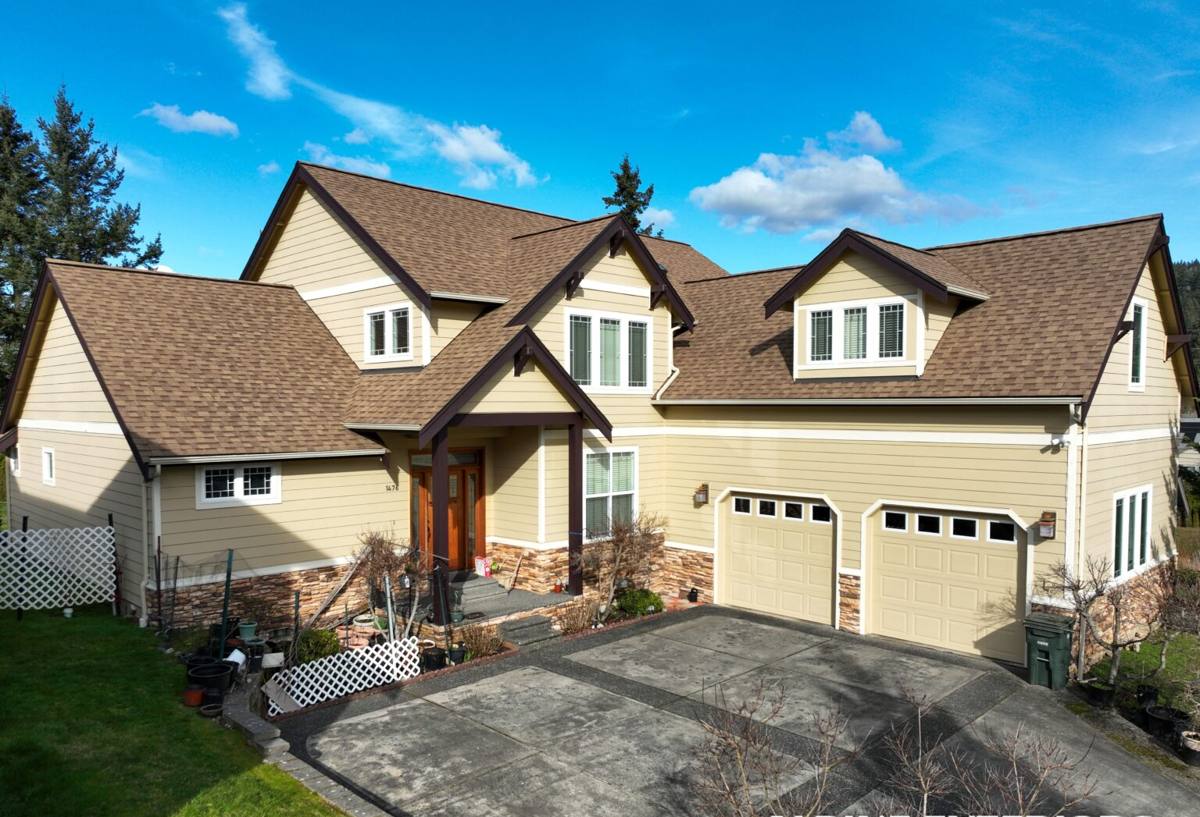
What Pinellas Point's Climate Actually Does to a Shingle Roof
Every roofing material has a weak point, and for asphalt shingles in this part of Pinellas County, there are four recurring stressors worth understanding before you sign a contract.
Wind Uplift
Asphalt shingles fail from the edges in. Wind doesn't need to be hurricane-strength to start lifting a shingle tab that wasn't sealed properly or nailed in the correct pattern — sustained coastal gusts over a few seasons can do it. Once a tab lifts even slightly, wind gets underneath it and the damage accelerates fast. This is why nailing pattern, sealant strip activation, and starter strip installation at the edges and rakes matter more here than in a sheltered inland neighborhood.
UV and Heat Cycling
Florida sun is hard on asphalt shingles year-round, not just in summer. UV breaks down the asphalt binder over time, and the daily heat-up/cool-down cycle causes the shingle mat to expand and contract. Lower-quality shingles or poor ventilation underneath the roof deck speed this up considerably.
Wind-Driven Rain
Straight-down rain is rarely the problem. Rain pushed sideways by coastal wind finds every weak seam, every under-lapped flashing detail, and every nail that missed its target. This is why underlayment choice and flashing detail at valleys, walls, and roof penetrations matter as much as the shingles themselves.
Salt Air Corrosion
Being close to the water means airborne salt settles on every exterior surface, including your roof. It won't hurt the shingles directly, but it accelerates corrosion on exposed nail heads, flashing, vent boots, and any unprotected metal. Material choice and protective coatings on metal components make a real difference in how long those parts last.
What a Correct Asphalt Shingle Roof Install Actually Involves
A roof that's going to hold up in this environment is built in layers, and every layer matters. Skipping or shortcutting any one of them is usually where problems start.
| Layer | Purpose | Why It Matters Here |
|---|---|---|
| Roof deck inspection/repair | Solid nailing surface | Soft or water-damaged decking won't hold fasteners under wind load |
| Underlayment | Secondary water barrier | Backs up the shingles when wind-driven rain gets past them |
| Starter strip | Seals the roof edge | Eaves and rakes are the first place wind gets a grip |
| Shingle field | Primary weather layer | Correct nailing pattern and exposure hold shingles through gusts |
| Flashing (valleys, walls, penetrations) | Seals transitions and objects that pierce the roof plane | Most leaks start at a flashing detail, not in the open field |
| Ventilation | Moves heat and moisture out of the attic | Reduces shingle heat-cycling and prevents deck rot from underneath |
Every one of those layers has to be done in the right order, with the right materials, or the whole system is only as strong as its weakest step.
Wind Ratings and Nailing Patterns
Shingles are rated for wind resistance, but that rating only holds if the installation follows the manufacturer's nailing specification exactly — correct nail count, correct placement within the nailing zone, and correct fastener type. In coastal Pinellas County, we don't treat that spec as optional. It's also worth asking any contractor bidding your roof how they handle nailing pattern and whether they follow manufacturer specs to the letter, since this single detail affects your warranty coverage as much as it affects real-world wind performance.
Flashing Detail Work
Valleys, chimneys, skylights, plumbing vents, and wall intersections are where roofs actually leak. Pre-formed flashing has to be sized, lapped, and sealed correctly for each condition, and metal components benefit from corrosion-resistant coatings given the salt exposure this close to the water. This is detail work that takes time to do right, and it's usually the first thing rushed on a low-bid job.
Attic Ventilation
A shingle roof without adequate intake and exhaust ventilation runs hotter, which shortens shingle life and can also void manufacturer warranties. Balanced ventilation is a straightforward fix during a full replacement and is worth addressing rather than ignoring.
Repair, Recover, or Full Replacement?
Not every roofing problem needs a full tear-off. Here's how we think through it.
- Repair makes sense for isolated damage — a handful of lifted or missing shingles, a single flashing leak, storm damage to one section — when the rest of the roof is sound and reasonably young.
- Full replacement is the right call when granule loss is widespread, multiple areas show curling or cracking, the roof is past or near the end of its expected service life, or there's evidence of deck damage under more than a small area.
- A partial "recover" over existing shingles is something we generally avoid — it traps existing damage under a new layer, adds weight, and typically shortens the life of the new shingles rather than extending it. We'll tell you honestly if your roof is a repair or a replacement; we don't pad the scope either direction.
Our Process for Pinellas Point Roofs
Every roof we quote in this neighborhood starts with an actual inspection, not a drive-by estimate.
- Roof and attic inspection — we check the shingle condition, decking, flashing, ventilation, and attic for moisture signs before quoting anything.
- Honest scope and written estimate — you get a clear breakdown of what's being repaired or replaced and why, with straightforward pricing.
- Material selection — we walk you through shingle options with wind ratings and warranty terms suited to a coastal property, not whatever happens to be cheapest to stock.
- Tear-off and deck inspection — on a full replacement, old material comes off completely so we can check the deck underneath rather than roofing over hidden problems.
- Underlayment, flashing, and shingle installation — installed to manufacturer spec, with particular attention to edges, valleys, and every penetration.
- Final walkthrough — we review the finished roof with you and confirm everything meets the standard we set at the start.
Why Local Experience in This Neighborhood Matters
Roofing code, wind zone requirements, and permitting in St. Petersburg and Pinellas County apply specifically to coastal exposure categories, and a crew that already works this neighborhood knows those requirements without having to look them up mid-project. There's also a practical side to it: we know how wind behaves coming off the water into Pinellas Point, which flashing details tend to get missed on homes like these, and what shingle products hold up against salt air rather than just looking good on a spec sheet. A contractor unfamiliar with waterfront exposure may build a roof that would be perfectly fine a few miles inland but underperforms here.
Choosing the Right Shingle for a Coastal Home
Not every asphalt shingle product is a good fit for a home this close to open water. Higher wind-rated architectural shingles generally outperform basic three-tab shingles in gusty, exposed conditions, and they tend to hold their appearance longer under constant UV. When we walk through options with you, we'll talk through wind rating, algae resistance (common in Florida's humidity), and warranty terms — and we'll be straight with you about the trade-offs of each, including where a cheaper product will cost you more in maintenance or shortened lifespan down the road.
Quick Pre-Project Checklist for Homeowners
- Ask for the shingle's specific wind rating, not just "hurricane rated" as a general claim
- Confirm what underlayment product will be used and where it's rated for use
- Ask how flashing will be handled at valleys, walls, and every roof penetration
- Confirm attic ventilation will be assessed, not just the shingle layer
- Get the manufacturer warranty terms in writing, including what installation errors can void
- Confirm permitting and inspection will be handled properly for St. Petersburg/Pinellas County
Maintaining Your Roof After Installation
A well-installed shingle roof in Pinellas Point still benefits from periodic attention. A visual check after major storms, keeping gutters and valleys clear of debris, and having a professional look at flashing and seals every few years catches small issues before they become leaks. Salt air and intense sun don't take a season off here, so consistent light maintenance goes a lot further than waiting until there's a visible problem.
Get an Honest Look at Your Roof
Whether you're dealing with a specific leak, storm damage, or a roof that's simply reaching the end of its service life, we're happy to take a look and give you a straight answer about what it needs. Request a free, no-pressure estimate using the form below, and we'll walk your roof with the same standard we'd want for our own home.