 St. Petersburg Siding
 Roofing Historic Old Southeast: A Different Job Than a New Subdivision
Historic Old Southeast is one of St. Petersburg's older residential neighborhoods, with a large share of homes built in the early-to-mid 20th century — bungalows, Craftsman-style houses, and Mediterranean Revival touches, many shaded by mature oak canopy and sitting close enough to Tampa Bay to catch salt-laden air off the water. That combination of age, tree cover, and proximity to the bay means a roof here works harder and ages differently than a roof on a house built in the last twenty years in a newer part of Pinellas County.
An asphalt shingle roof is still the right, cost-effective choice for most of these homes — but only if the install accounts for what's actually underneath the old shingles, and what the climate is going to throw at it. This page covers what that means specifically for homes in this neighborhood, not just generic shingle-roofing advice.
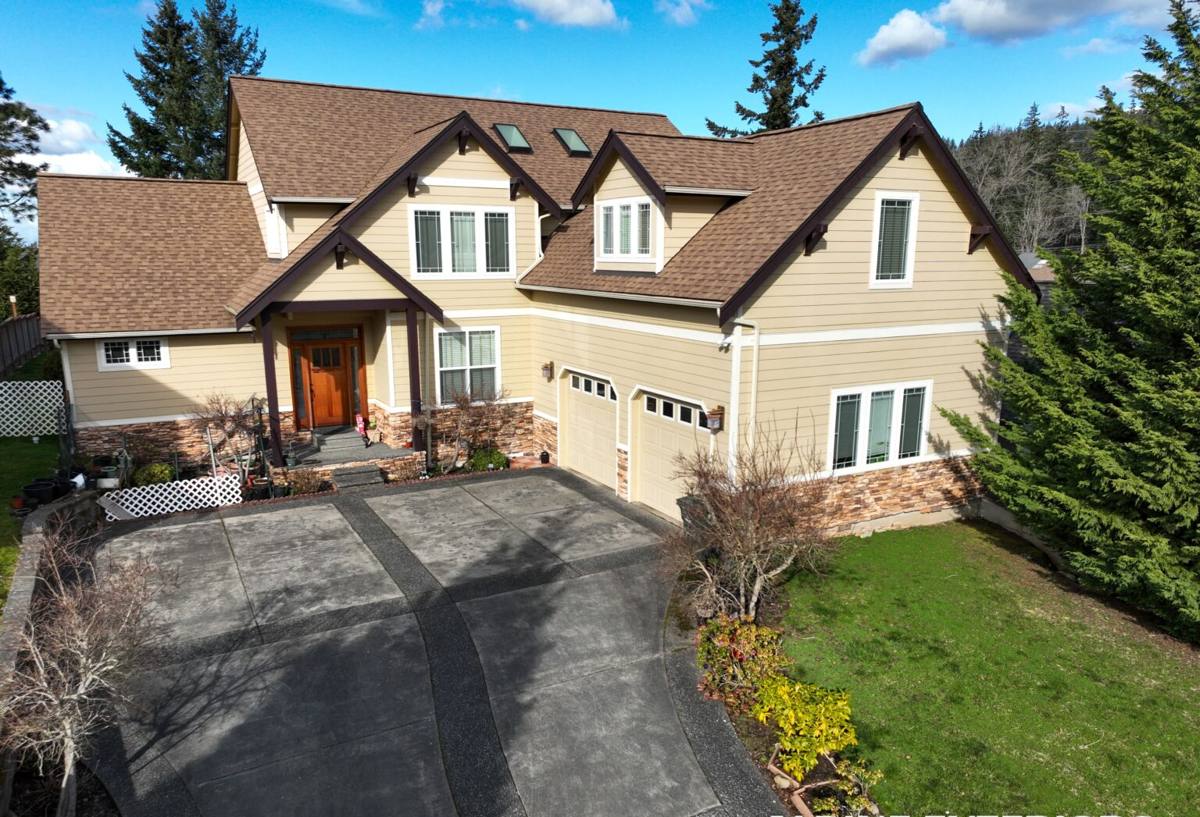
What This Climate Does to a Shingle Roof
St. Petersburg sits in a part of Florida that gets the full package: hurricane-force wind events, intense UV exposure essentially year-round, frequent wind-driven rain, and — because Old Southeast is close to Tampa Bay — a steady low-grade dose of salt air. Each of these stresses a roof in a different way, and a roof that's only built to handle one of them will fail early against the others.
Wind
Pinellas County isn't in Florida's designated High-Velocity Hurricane Zone (that's Miami-Dade and Broward), but it still sees design wind speeds well above what most of the country builds for, and it takes direct hits or close brushes from tropical systems on a regular basis. Shingles that aren't sealed and nailed correctly lift at the edges first — ridge caps, rakes, and eaves are where wind damage almost always starts.
UV and heat
Constant sun exposure bakes the asphalt in shingles, driving off the oils that keep them flexible. Over years this makes shingles brittle and more prone to cracking, especially on south- and west-facing slopes with less tree cover.
Wind-driven rain
It's not steady rain that causes leaks — it's rain pushed sideways and upward under shingle edges and around penetrations (vents, chimneys, skylights) during storms. This is almost entirely an underlayment and flashing issue, not a shingle issue.
Salt air
Being near the bay means metal components — nails, flashing, vent stacks, drip edge — corrode faster than they would further inland. Standard galvanized fasteners can start rusting years before the shingles themselves are due for replacement, and rust streaks or lifted fasteners are one of the first visible signs of a roof under salt stress.
What an Older Old Southeast Roof Deck Is Usually Hiding
Homes from this era were often built with wood plank decking rather than the plywood or OSB sheathing used today. That's not automatically a problem, but it changes how a re-roof needs to be handled:
- Plank decking can have gaps, warping, or soft spots from decades of humidity cycling that aren't visible until the old shingles come off
- Multiple past roof-overs (a new layer of shingles installed over an old one) can hide deck damage for years and add weight the structure wasn't designed to carry long-term
- Old attic ventilation is frequently undersized or blocked, which traps heat and moisture against the underside of the deck
- Chimneys, old vent pipes, and skylights on older homes often have flashing details that don't match current products and need custom work rather than an off-the-shelf part
A crew that hasn't roofed many homes in this neighborhood may not budget time or cost for deck repair, and that's where change orders and delays come from mid-project. A crew that has seen it repeatedly builds it into the estimate up front.
What a Correct Installation Actually Involves
"New roof" covers a wide range of workmanship. For this climate and this housing stock, a correct asphalt shingle install includes several layers most homeowners never see once the job is done.
Tear-off, not overlay
We remove existing layers down to the deck rather than roofing over old shingles. This lets us actually inspect and repair the decking, and it avoids adding weight and trapped moisture that shortens the life of the new roof.
Deck repair and preparation
Any soft, delaminated, or damaged decking is cut out and replaced before anything else goes down. Skipping this step is the single most common cause of premature leaks on older homes.
Underlayment built for wind-driven rain
A synthetic underlayment, with self-adhering (peel-and-stick) membrane at eaves, valleys, and around all penetrations, gives a second line of defense against water that gets under shingles during storms — which, in this climate, is a when, not an if.
Corrosion-resistant metal
Given the salt air off the bay, we use metal flashing, drip edge, and fasteners rated for coastal exposure rather than standard galvanized parts that can start corroding within a few years this close to the water.
Manufacturer-specified nailing pattern
Every shingle has a nailing zone and pattern set by the manufacturer for its wind rating to actually apply. Fewer nails, wrong placement, or nails that miss the decking are the most common reason shingles rated for high wind still blow off in a storm — the shingle wasn't the failure, the installation was.
Proper attic ventilation
Balanced intake and exhaust ventilation keeps attic temperatures and moisture in check, which protects the underside of the deck and helps the shingles themselves last closer to their rated lifespan instead of aging early from trapped heat.
Wind Rating and Permitting for This Job
Every re-roof in St. Petersburg requires a permit and has to meet current Florida Building Code wind-load requirements for our area, which are stricter than what many of these homes were originally built to. That's not paperwork for its own sake — it's what determines nailing pattern, underlayment type, and in some cases shingle selection. It also matters for insurance: a properly documented, code-compliant roof is what supports a wind-mitigation inspection, which can affect windstorm premiums on an older home.
Some properties in and around historic districts also have architectural review considerations for exterior changes. We handle the permitting and can flag if a property falls under any additional local review so there are no surprises mid-project.
What Drives the Cost of a Shingle Roof Here
Two roofs of the same square footage can price very differently once the specifics of an older home are factored in. Here's what typically moves the number up or down:
| Factor | Why it matters |
|---|---|
| Roof pitch and complexity | Steeper roofs and more valleys, dormers, or hips take longer and use more material |
| Number of existing layers | Removing two layers of old shingles costs more in labor and disposal than one |
| Deck condition | Plank decking on older homes sometimes needs partial replacement, found only once the old roof is off |
| Shingle tier | Standard three-tab, architectural/dimensional, and impact-rated shingles carry different material costs and warranties |
| Ventilation upgrades | Adding or correcting intake/exhaust venting on an older attic adds labor but pays off in shingle lifespan |
| Flashing detail work | Custom flashing around older chimneys, skylights, or dormers takes more time than standard penetrations |
We walk every roof and attic before quoting so the estimate reflects what's actually there, not a generic per-square number that changes once the tear-off starts.
Our Process for a Re-Roof in This Neighborhood
- On-site inspection of the roof surface, attic, and ventilation, including a look at flashing around every penetration
- Written estimate covering material, labor, expected deck condition, and what would change the price if hidden damage is found
- Permit pulled with the city before any work begins
- Full tear-off, with old material hauled off the property daily rather than left piled in the yard
- Deck inspection and repair, documented and priced before proceeding
- Underlayment, flashing, and shingle installation per manufacturer specification and current wind-load code
- Ventilation check and correction where needed
- Final walkthrough and city inspection sign-off
Maintenance That Actually Extends a Shingle Roof's Life Here
A correctly installed shingle roof in this climate should last, but a little attention keeps it hitting its full expected lifespan instead of falling short of it:
- Have the roof looked at after any named storm, even if there's no visible leak inside
- Keep gutters and valleys clear — trapped debris under tree canopy holds moisture against shingles
- Watch for lifted or missing shingles at ridges and edges, which is where wind damage shows up first
- Check attic ventilation isn't blocked by insulation or storage, especially after any attic work
- Address small flashing leaks around chimneys and vents promptly — they're cheap to fix early and expensive once they've damaged decking
- Don't ignore granule buildup in gutters — it's a normal sign of aging shingles but worth tracking over time
Why a Crew That Already Works Old Southeast Matters
A roofer who's done several jobs in this specific neighborhood already knows the housing stock — the plank decking, the older flashing details, the ventilation shortfalls that are common on homes of this age. That means fewer surprises, a more accurate estimate the first time, and less chance of a change order once the tear-off starts. It also means familiarity with the city's permitting process and, where relevant, any additional review that applies to properties in historic areas — so the paperwork side of the job doesn't stall the work side.
If you're planning a re-roof, considering a repair, or just want an honest read on how much life is left in the shingles you've got, we're glad to take a look. Request a free, no-pressure estimate using the form below.