 St. Petersburg Siding
 Siding Built for Seminole's Weather, Not Just Its Curb Appeal
Seminole sits close enough to the Gulf and Boca Ciega Bay that homes here take a different kind of beating than siding was originally designed for decades ago. It's not one big threat — it's four working together year-round: tropical-storm and hurricane-force wind loads, intense UV exposure nearly every day of the year, wind-driven rain that gets forced sideways into seams and laps, and a steady dose of salt air that corrodes fasteners and degrades weaker materials from the outside in. Any one of those is manageable. All four at once, every year, is what separates a siding job that lasts two decades from one that fails in five.
When we install siding in Seminole, we're not just matching a color or a board profile to a house. We're making sure the assembly behind the siding — the water-resistive barrier, the flashing details, the fastening pattern, the clearances — is built to shed wind-driven rain, resist wind uplift, and hold up under UV and salt exposure without babysitting. That's the whole job. The visible board is the last five percent of it.
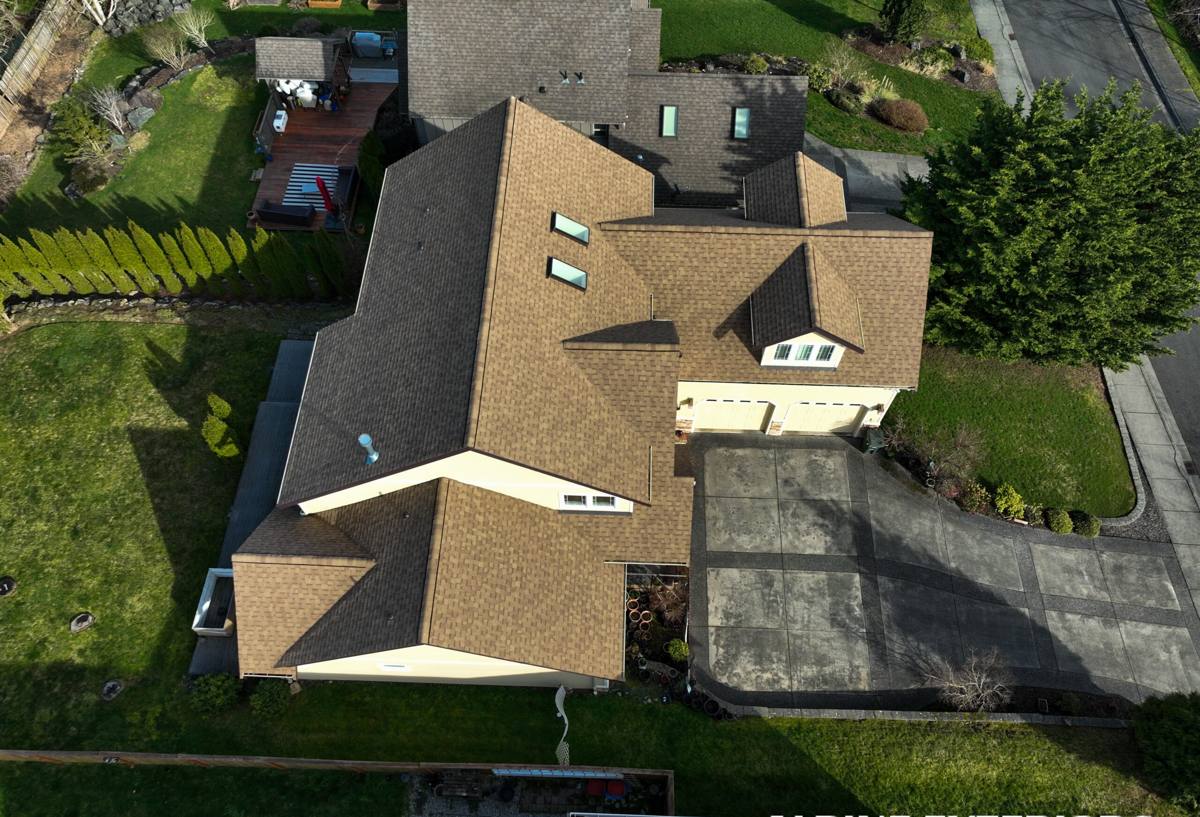
What Pinellas County Climate Actually Does to Siding
Wind
Seminole isn't oceanfront, but it's well within the wind exposure zones that matter for Florida Building Code compliance. Siding that isn't fastened to spec — wrong nail pattern, wrong embedment, wrong clearance from panel edges — can start lifting at the corners and eaves long before a named storm ever makes landfall. Every gust cycle works those weak points a little more.
UV
Florida's sun is relentless on painted surfaces. Field-applied paint on wood or fiber cement chalks, fades, and needs recoating on a schedule most homeowners underestimate. Factory-applied finishes that are engineered for UV exposure hold color and integrity far longer than anything rolled on with a brush after installation.
Wind-driven rain
Straight-down rain is easy to manage. Rain pushed sideways by wind finds its way behind laps, around penetrations, and into any gap in the water-resistive barrier. This is where most siding failures actually start — not on the face of the board, but behind it, where nobody's looking until there's a soft spot or a stain.
Salt air
Even a few miles inland from the Gulf, airborne salt accelerates corrosion on fasteners, trim accessories, and any hardware that isn't rated for coastal exposure. Over years, that corrosion telegraphs through as rust streaks, loosened fasteners, and premature wear at every metal connection point.
What a Correct Siding Installation Actually Involves
A siding job done right in Seminole has the same bones regardless of which product goes on the wall, though the details change with the material. At minimum, correct installation means:
- A continuous, properly lapped water-resistive barrier behind the siding — no gaps, no shortcuts around windows and doors
- Correct flashing at every penetration: windows, doors, hose bibs, light fixtures, dryer vents
- Manufacturer-specified fastener type, spacing, and embedment depth — not "close enough"
- Proper clearance between siding and roof lines, decks, and grade to prevent moisture wicking
- Butt joints and seams treated correctly, not just butted and caulked as an afterthought
- Corner and trim details that shed water outward instead of channeling it behind the cladding
Skip any one of these and the siding can look fine from the curb for a year or two while the real damage happens where you can't see it — sheathing, framing, insulation.
Why We Install Only James Hardie Fiber Cement
We made a decision a long time ago to install one siding system and install it correctly, rather than offer every product on the market and hope each one gets installed to spec. We don't install vinyl, LP SmartSide, primed wood, cedar, or other fiber cement brands. We install James Hardie, and specifically the HZ5 product line engineered for the high-humidity, high-heat climate zone that includes the Tampa Bay area.
The reasons are practical, not brand loyalty. James Hardie fiber cement is non-combustible, which matters in a state where wildfire and ember exposure are a real if less-discussed risk. It doesn't absorb and swell with moisture the way wood-based products can, which matters enormously in a climate with our humidity and rain patterns. The ColorPlus factory finish is baked on and warrantied against fading and peeling in a way field-applied paint simply can't match under constant Florida UV. And the product's engineering for hot, humid, coastal-adjacent climates isn't marketing — it's a specific formulation and installation spec for exactly the conditions Seminole homes deal with.
None of that means other products are junk. It means we'd rather stand behind one system we can install to spec every time, back with a strong transferable warranty, than spread our crews thin across products with different moisture behaviors, different fastening requirements, and different long-term maintenance demands.
Our Installation Process
- On-site assessment. We look at your current siding condition, sheathing, existing moisture damage if any, window and door flashing, and how your home is oriented to prevailing wind and rain.
- Tear-off and inspection. Old siding comes off and we inspect what's underneath — sheathing rot, prior water intrusion, and flashing condition all get addressed before anything new goes up. Covering a problem is not an option.
- Water-resistive barrier. A new, continuous barrier goes on with proper laps and seals around every penetration.
- Flashing and trim. Windows, doors, and penetrations get flashed to shed water outward, not trap it.
- Hardie installation. Panels or lap siding go up per James Hardie's fastening specification for our wind zone — correct nail type, spacing, and embedment, not a generic pattern.
- Caulking and finish details. Joints, corners, and trim are sealed and finished to manufacturer spec.
- Final walkthrough. We go over the completed work with you, including what maintenance to expect and what your warranty covers.
Signs a Seminole Home Needs New Siding
You don't need to wait for visible failure to start planning a siding project, but these are the signs we're called out for most:
- Soft or spongy spots when you press on siding, especially near the bottom courses
- Visible warping, buckling, or gaps at seams and corners
- Paint that's chalking heavily or peeling in sheets rather than wearing evenly
- Rust streaking from fasteners or trim hardware
- Rising energy bills that suggest the wall assembly behind the siding is compromised
- Visible daylight or moisture staining on interior walls that back up to exterior siding
What Affects the Cost of a Siding Installation
| Factor | Why It Matters |
|---|---|
| Home size and wall complexity | More square footage, more corners, dormers, and gables mean more material and labor |
| Tear-off and sheathing repair | Rotted sheathing found during tear-off adds material and labor that can't be known until the old siding is off |
| Siding profile and accessories | Lap siding, panel siding, trim boards, and soffit work all price differently |
| Color and finish selection | Factory ColorPlus finishes come in a range of standard colors; custom finishes carry a premium |
| Access and site conditions | Two-story sections, tight lot lines, and landscaping can affect labor time |
We give you a real number after walking your property, not a phone estimate. Every Seminole home has its own wind exposure, existing damage, and trim details, and those drive the actual cost more than the base price per square foot.
Why Hiring a Crew That Already Works Seminole Matters
Siding installation isn't just a manufacturer's spec sheet — it's how that spec gets applied to the specific wind exposure, rain patterns, and building stock of a given area. A crew that already works Pinellas County knows the local permitting process, understands the wind zone requirements that apply to Seminole specifically, and has seen firsthand how the last few storm seasons treated siding jobs that were and weren't installed to spec in this exact area. That's not something you get from a crew that mostly works somewhere with a milder or drier climate and treats Florida installs as an afterthought.
We're a St. Petersburg-based company, and Seminole is inside the area we work regularly — not a stretch job we're driving an hour for. That means faster response for estimates, warranty service, and any follow-up questions once the job is done.
Maintenance and Warranty After Installation
Correctly installed James Hardie siding is genuinely low-maintenance compared to painted wood alternatives, but "low-maintenance" isn't "no-maintenance." Rinse the exterior periodically to keep salt residue from building up, keep an eye on caulked joints and touch them up if you see separation, and keep sprinklers and irrigation from constantly wetting the base courses. James Hardie backs the product with a strong, transferable limited warranty covering the substrate, and the ColorPlus finish carries its own finish warranty — details we walk through with you at the end of every job so you know exactly what's covered and for how long.
If your Seminole home's siding is showing wear, or you're planning ahead of the next storm season, we're happy to walk the property, look at what's actually going on, and give you a straight answer — no pressure, no inflated estimate to scare you into a bigger job than you need. Request a free estimate using the form below.