 St. Petersburg Siding
 New-Construction Windows in Shore Acres: What the Job Actually Involves
"New-construction windows" is a specific term, not just a marketing phrase, and it matters that homeowners in Shore Acres understand the difference before they get quotes. A new-construction window has a nailing flange built into the frame — a flat lip that gets fastened directly to the wall sheathing and integrated into the house wrap and flashing before stucco, siding, or brick veneer goes on. That's different from a retrofit or "pocket" replacement window, which slides into an existing frame and relies on the old frame and exterior finish to stay put.
In Shore Acres, this type of installation comes up in a few real situations: full additions, homes being substantially rebuilt after storm or water damage, garage or lanai conversions, and true ground-up new builds on infill lots. If your project involves opening the wall down to the studs, you're a new-construction candidate — and that's actually the better scenario, because it lets us flash and seal the opening correctly instead of working around what's already there.
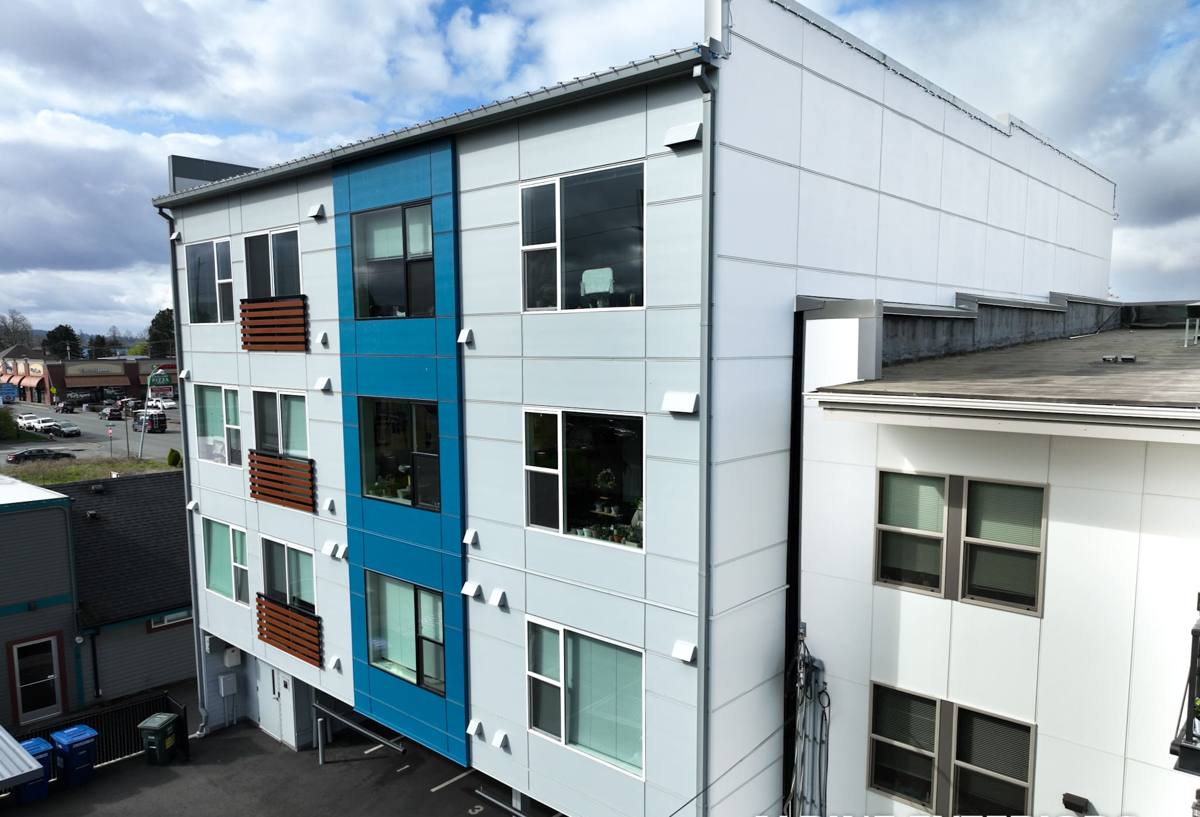
Why This Matters More in a Waterfront Neighborhood Like Shore Acres
Shore Acres sits close to Tampa Bay, with canal frontage and low-lying lots that put homes closer to open water than most St. Petersburg neighborhoods. That proximity changes what a window opening has to hold up against:
- Wind pressure: Pinellas County sits in a high-velocity hurricane zone, and waterfront exposure generally means higher design wind pressures on window openings than an inland lot a few miles away.
- Wind-driven rain: Storms here don't just bring rain, they push it sideways into wall assemblies. A window that isn't properly flashed will leak long before the glass itself fails.
- Salt air corrosion: Being close to the bay means more airborne salt exposure on hardware, fasteners, and frame finishes than a home a mile or two inland.
- UV load: Florida sun is intense and constant. Frame materials, seals, and glass coatings all degrade faster under year-round UV than in most of the country.
None of this means Shore Acres needs exotic products. It means the standard products need to be the right ones, sized and rated correctly for this specific exposure, and installed with flashing details that actually shed water instead of trapping it in the wall.
Product Standards We Hold Ourselves To
For new-construction openings in a coastal Pinellas County zone, we work from a simple baseline: every window has to carry Florida Product Approval (or Miami-Dade NOA, which exceeds Florida's own standard) for the wind pressure and impact rating that opening actually needs, based on the home's height, exposure, and location on the lot. We don't guess at this — it's calculated per opening, not applied as a blanket spec across the whole house.
Impact-Rated vs. Non-Impact with Shutters
Homeowners have two legitimate paths to code compliance on a coastal opening: laminated impact-rated glass, or non-impact glass paired with code-approved shutters or panels. We'll walk you through both honestly. Impact glass costs more up front but requires nothing from you during a storm and generally holds resale value better in a waterfront market. Shutter systems cost less initially but mean someone has to deploy them before every storm, and that's a real burden if you travel or if the home is a rental.
Frame Material
Vinyl, aluminum, and fiberglass all have a place, and the right call depends on window size, opening rating required, and how the home is finished. Larger openings and higher wind-pressure requirements often push toward aluminum or reinforced vinyl frames rather than standard-grade vinyl, simply because of structural performance, not aesthetics.
| Frame Material | Typical Fit for Shore Acres | Trade-Offs to Know |
|---|---|---|
| Vinyl (standard) | Smaller to mid-size openings, moderate exposure | Cost-effective, low maintenance, but limited on very large or high-wind-pressure openings |
| Vinyl (reinforced) | Mid-to-large openings needing higher impact ratings | Good balance of cost and performance; confirm NOA rating matches the specific opening |
| Aluminum | Large openings, high wind-pressure zones, sliders | Strong for size and pressure; needs a quality thermal break and marine-grade hardware near the water |
| Fiberglass | Owners prioritizing long-term dimensional stability | Higher material cost; performs well under Florida's heat and UV cycling |
How Our Process Works on a Shore Acres Opening
- Site and plan review: We look at the framed openings (or plans, if pre-construction) and confirm sizes, wind-pressure requirements based on exposure and building height, and any HOA or architectural guidelines that apply to the property.
- Product selection and permit prep: We spec windows with Florida Product Approval matched to each opening's actual pressure rating, then prepare the documentation the City of St. Petersburg or Pinellas County building department requires for permit.
- Flashing and sealing before install: This is the step that gets skipped by crews that don't do this work regularly. Every opening gets properly flashed — sill pan, jamb, and head flashing integrated with the house wrap — before the window ever goes in. This is what actually keeps wind-driven rain out over the long run, not just the window itself.
- Setting and fastening: Windows get set plumb, level, and square, then fastened through the nailing flange per the manufacturer's installation instructions and the product approval, which dictate fastener spacing and type.
- Sealing and finish integration: Sealant gets applied at the correct joints — not everywhere, which can actually trap moisture — and the opening gets tied back into the exterior finish (stucco, siding, or trim) cleanly.
- Inspection: New-construction openings in this jurisdiction require inspection sign-off. We schedule and stand by for that inspection rather than leaving it on the homeowner or general contractor to chase down.
Permitting in Pinellas County: What Homeowners Should Expect
New-construction window installs in St. Petersburg go through permit review, and inspectors are checking for exactly the things that matter in a storm: correct product approval for the opening, correct fastening, and correct flashing integration. This isn't paperwork for its own sake — it's the same list that determines whether the opening performs in a real hurricane. A contractor who treats the permit and inspection as an afterthought is telling you something about how they'll treat the flashing details nobody sees once the wall is closed up.
What to Check Before You Hire Anyone for This Work
- Ask to see the Florida Product Approval or Miami-Dade NOA number for the specific windows they're proposing, and confirm it covers the wind pressure your opening actually needs — not just a generic "hurricane rated" claim.
- Confirm they'll pull the permit and handle the required inspection, not just supply and install off the books.
- Ask how they flash the opening before the window goes in. If the answer is vague, that's a red flag.
- Confirm licensing and insurance directly — a certificate of insurance and an active Florida contractor license number you can verify.
- Ask whether they've worked in Shore Acres or comparable waterfront Pinellas neighborhoods before, and what they watch for differently on a lot this close to the bay.
Timeline and What Actually Drives Cost
Every new-construction window job is priced around a few honest variables: the number and size of openings, the wind-pressure rating required for the specific location on the home, frame material, glass package (impact laminated vs. non-impact with shutters), and how much flashing and exterior finish work is involved in tying the opening back in. Broadly, homeowners should expect a wider range on waterfront properties than on an inland lot, because higher-pressure-rated impact products cost more than standard-zone products. We won't quote a number without seeing the actual openings and their required ratings — anyone who gives a firm price over the phone for coastal new-construction work is skipping a step that actually affects the number.
Lead time is also worth planning for. Impact-rated windows built to a specific product approval and size are often special-order items, not shelf stock, so factor several weeks into your project schedule rather than assuming next-week installation.
Why a Crew That Already Works Shore Acres Matters
A lot of what separates a good coastal window install from a problem one isn't visible on install day — it shows up two years later as a stain under a window or a leak during the next tropical system. Crews that work Shore Acres and similar waterfront St. Petersburg neighborhoods regularly already know the wind-exposure category this area typically falls under, already have relationships with the local building department, and already understand the flashing sequence that actually holds up against wind-driven rain off the bay. That's not something you can shortcut with a lower bid from a crew that mostly works inland subdivisions.
If you're planning new-construction windows for a Shore Acres project — an addition, a rebuild, or a new home — we're glad to walk the openings with you, explain the product approval your specific windows need, and give you a straight answer on scope and timeline. Reach out for a free, no-pressure estimate using the form below.