 St. Petersburg Siding
 Shore Acres Sits Where Florida's Weather Hits Hardest
Shore Acres is one of the more exposed neighborhoods in St. Petersburg. Many homes here sit close to open water and canal frontage, which means decks built in this part of Pinellas County take on a combination of stresses that a deck a few miles inland simply doesn't see: salt-laden air moving off the water, wind-driven rain during summer storms, direct hurricane exposure when a named storm tracks through Tampa Bay, and near year-round UV that most of the country only gets a few months a year. Any one of these will shorten the life of a poorly built deck. Together, they will find every weak point in a matter of a few seasons.
This isn't a reason to avoid building a deck here — waterfront and canal-adjacent lots are exactly where a well-designed outdoor living space earns its keep. It's a reason to be precise about materials, fasteners, and framing details that a generic deck spec sheet doesn't address.
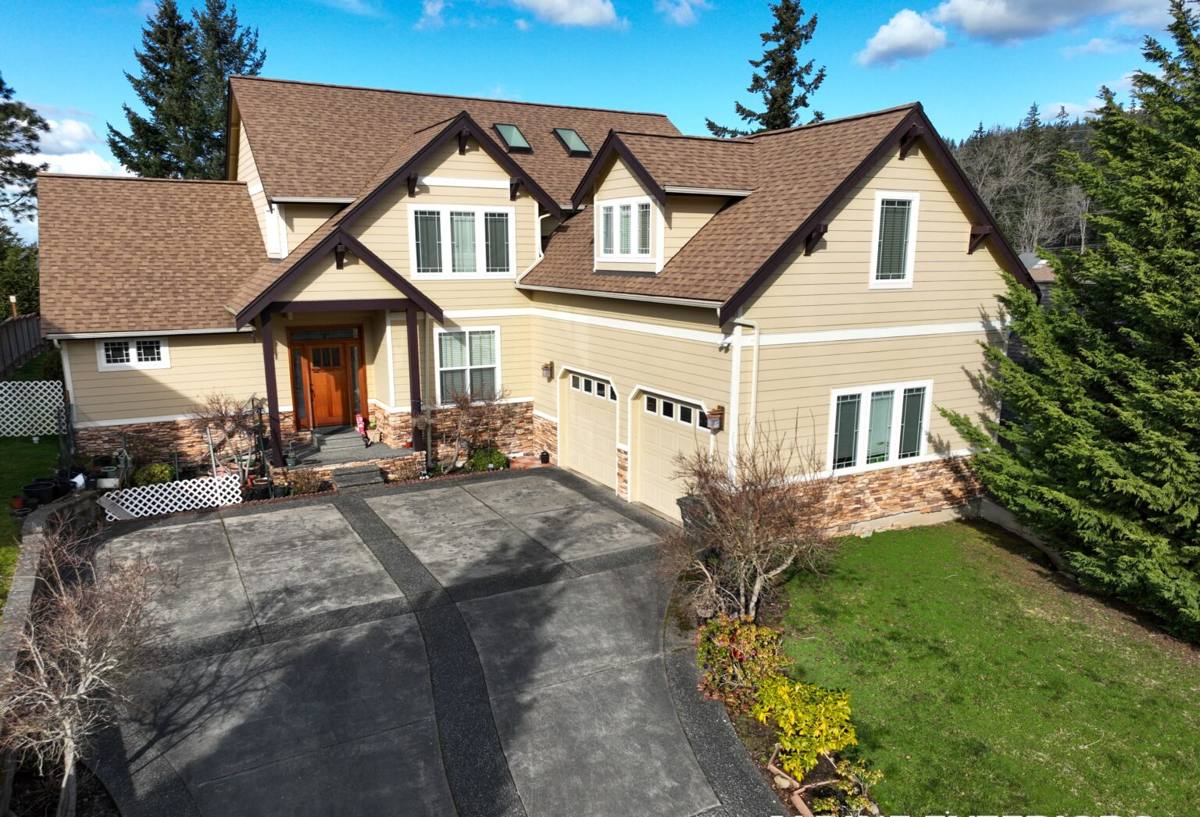
What Salt Air and Storm Exposure Actually Do to a Deck
Corrosion Starts Below the Boards
The decking surface is the least of a saltwater-adjacent deck's problems. Salt air accelerates corrosion in fasteners, joist hangers, and structural connectors — the parts you never see once the deck is finished. Standard electro-galvanized hardware that's rated for typical inland framing can start showing rust streaks and pitting within a couple of years this close to the water. Once a hanger or bolt starts to corrode, it loses holding strength long before it looks obviously bad, which is exactly why so many older decks in coastal neighborhoods fail at the connections rather than in the boards.
Wind-Driven Rain Finds Every Gap
Florida rain rarely falls straight down. In a storm with sustained wind, rain gets driven sideways and upward under railings, around post bases, and behind ledger boards. A deck built without proper flashing and drainage detailing will trap that moisture against the house framing or against the deck's own structural members, leading to rot and hidden decay long before any surface damage shows.
UV and Heat Cycling
St. Petersburg's sun is intense nearly all year. UV breaks down the surface fibers of untreated or poorly finished wood, and repeated heat-and-humidity cycling causes boards to cup, check, and pull away from fasteners. Dark-colored composite decking can also run noticeably hotter underfoot in direct sun than lighter tones — worth factoring into material choice, not just color preference.
Choosing Decking Material for a Waterfront Lot
There's no single "best" decking material — the right choice depends on budget, how much maintenance a homeowner actually wants to do, and how close the deck sits to open water or a canal.
| Material | Upfront Cost | Maintenance | Salt Air Performance | Typical Lifespan |
|---|---|---|---|---|
| Pressure-treated pine | Lowest | Annual sealing/staining recommended | Fair — needs consistent upkeep near water | 10–15 years with maintenance |
| Tropical hardwood (e.g., ipe) | High | Periodic oiling to maintain color | Good — naturally dense and rot-resistant | 25+ years |
| Capped composite | Mid-to-high | Occasional washing, no sealing/staining | Very good — resists moisture absorption and salt staining | 25–30 years |
| PVC decking | High | Minimal — wash as needed | Excellent — impervious to moisture, won't rot | 30+ years |
We generally steer waterfront and canal-front clients toward capped composite or PVC decking, not because pressure-treated wood is a bad product, but because the maintenance burden of keeping wood properly sealed against this much salt air and sun is significant, and a missed year of sealing shows up fast this close to the water. For homeowners who want the look and feel of real wood and are willing to keep up with oiling, a dense hardwood is a legitimate option — it's simply a different maintenance commitment than composite.
Framing and Fasteners: What Holds the Deck Together
The structure underneath the decking matters more than the decking itself when it comes to long-term durability in this environment. A correctly built deck for a Shore Acres property should include:
- Stainless steel or heavy hot-dip galvanized fasteners and structural screws — not standard electro-galvanized hardware, which corrodes too quickly this close to the water
- Stainless or coated joist hangers and post bases rated for coastal/salt-air exposure
- Pressure-treated framing lumber rated for ground contact where posts meet footings, even on elevated decks
- Footings sized and set to the depth required for local soil and wind-load conditions, not a generic minimum
- Proper drainage sloping and gapping between boards so water doesn't pool on the surface or against framing
- Post bases set above grade with a drainage gap, not buried directly in concrete, to reduce trapped moisture
None of this is visible once the deck is finished, which is exactly why it's the part most likely to get shortcut by a crew that isn't used to building this close to saltwater.
Railings, Stairs, and Wind Load
Florida Building Code sets minimum requirements for guardrail height, baluster spacing, and stair geometry, and Pinellas County's permitting process checks decks against wind-load provisions for our coastal wind zone — this isn't the same designation as South Florida's High-Velocity Hurricane Zone, but it's still a meaningfully higher standard than inland construction in much of the country. Railings on an open deck need to be built to resist lateral loads, not just support a hand — that means proper post-to-frame connections, not railing posts simply toe-screwed to the rim joist. On elevated decks, especially those with stairs down toward a yard or dock, code-compliant baluster spacing and handrail continuity are both a safety issue and something an inspector will check.
Where the Deck Meets Your Siding
This is the detail most decks get wrong, and it's one we pay particular attention to because it's also our core trade. A deck ledger board attached to the house needs proper flashing that directs water away from the wall assembly — not just caulk at the seam. Done incorrectly, a ledger attachment traps wind-driven rain behind the siding at exactly the point where it does the most damage: hidden rot in wall sheathing that doesn't show up until the siding is pulled off years later. Any time we tie a deck into an existing home, we treat that connection as a siding and waterproofing detail first and a structural detail second — flashing integrated with the house's existing water management, not just bolted through it.
Permitting and Site Considerations in St. Petersburg
Deck construction in St. Petersburg requires a building permit, and Pinellas County's coastal location means plans get checked against wind-load and, where applicable, flood-zone requirements. Because a number of Shore Acres properties sit close to the water, some lots have elevation or lower-level construction considerations that affect footing depth, post height, or how open the space under an elevated deck needs to remain. We pull permits, handle the plan review process, and design around whatever your specific lot requires rather than assuming a standard inland deck plan will pass as-is.
Our Process
- On-site consultation — we look at your yard, existing structure, water proximity, and how you actually want to use the space before talking materials
- Design and material selection — layout, decking material, railing style, and any built-ins, sized to your budget and maintenance preference
- Permitting — we prepare and submit plans to the City of St. Petersburg and handle the review process
- Framing and structural build — footings, posts, beams, and joists with coastal-rated hardware throughout
- Decking, railing, and stairs — installed to code with attention to drainage and fastening pattern
- Final inspection and walkthrough — we confirm everything passes and walk you through any maintenance the material you chose actually needs
What to Look For Before You Hire
- Ask specifically what fastener and hardware grade they use — "stainless" or "coastal-rated," not just "treated"
- Confirm they pull permits themselves rather than asking you to file as an owner-builder
- Ask how they flash and waterproof the ledger connection to your house
- Get the maintenance expectations for your chosen decking material in writing, not just the upfront price
- Ask how many decks they've built specifically in waterfront or canal-front Pinellas County neighborhoods
Why Local Experience in Shore Acres Matters
A deck contractor who mostly builds inland can still build a structurally sound deck — but they may not default to coastal-rated hardware unless asked, may not be familiar with how St. Petersburg's permitting office handles waterfront lots, and may not think about the ledger-to-siding connection as a waterproofing detail. A crew that already works this neighborhood knows what salt air does to standard hardware within a few years, knows the permitting office's expectations for this part of Pinellas County, and treats the house-to-deck connection with the same care as the rest of the exterior envelope. That's the difference between a deck that looks good for one season and one that holds up through a decade of Gulf Coast summers.
If you're planning a new deck or replacing one that's showing its age, we're happy to take a look and put together a free, no-pressure estimate — just fill out the form below.