 St. Petersburg Siding
 Roser Park's Older Homes Need Siding Built for This Climate
Roser Park sits among St. Petersburg's older, tree-canopied residential neighborhoods, where a mix of early-and-mid-century bungalows and updated homes line quiet streets. Houses this age were mostly sided decades ago with materials that were never built for what a Pinellas County summer and hurricane season put them through year after year. If your siding is original, or was replaced with a budget product last time around, there's a good chance it's already showing the wear that comes from real Gulf Coast exposure: chalky faded paint, soft trim, seams that have opened up, or panels that flex more than they should in a stiff breeze.
We install siding for homes in this neighborhood on a regular basis, and the pattern is consistent. Older housing stock plus coastal Florida weather is a demanding combination, and it punishes shortcuts. A correct installation matters more here than it does in a milder climate, because the margin for error is smaller.
That character matters too. Many homes in this neighborhood have porch details, gables, and trim work that give them a distinct look, and a siding replacement done right should preserve that, not flatten it into something generic.
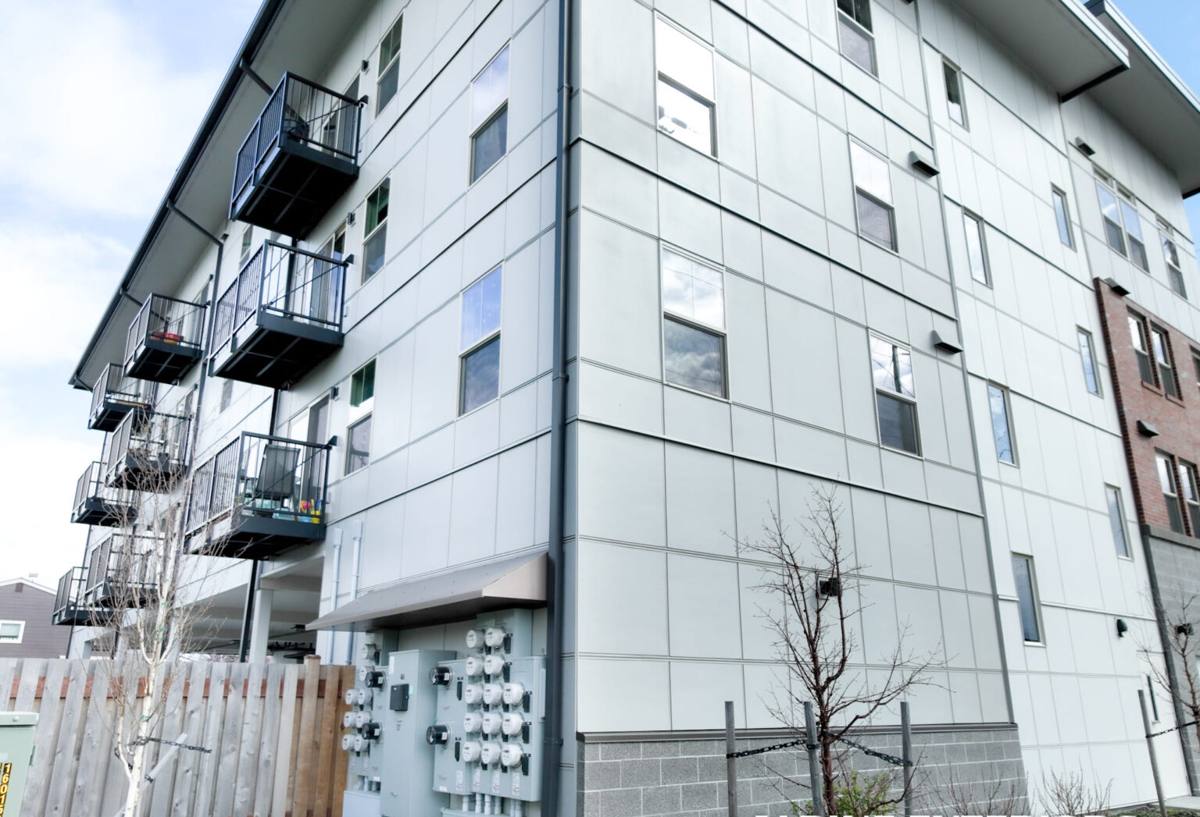
What Pinellas County's Coastal Climate Does to Exterior Walls
St. Petersburg sits close enough to open water that homes deal with a specific combination of stressors most inland markets never see at the same intensity. Understanding what's actually attacking your siding helps explain why installation quality matters as much as the product itself.
Hurricane-Force Wind
Tropical systems and seasonal squalls bring sustained winds and gusts strong enough to work loose any panel that wasn't fastened to spec. Siding that relies on too few nails, the wrong nail placement, or gaps at the corners and trim will lift, rattle, or come off entirely in a storm that a correctly installed system would shrug off.
Intense, Year-Round UV
Florida sun is not seasonal the way it is farther north. Siding here takes a near-constant UV load twelve months a year, which is what breaks down field-applied paint and cheaper factory coatings well before their expected lifespan. Fading, chalking, and cracked paint film are UV damage, not just age.
Wind-Driven Rain
During tropical storms and heavy summer thunderstorms, rain doesn't just fall, it's pushed sideways into walls, seams, and trim joints. Siding and flashing details that would be fine in a normal rain shower can let water behind the wall during a wind-driven event if they weren't detailed correctly at installation.
Salt Air
Even away from the immediate waterfront, salt-laden air moving off Tampa Bay and the Gulf accelerates corrosion on fasteners, trim accessories, and any metal component in the wall assembly. Over years, that corrosion is often what causes streaking, staining, and loosened hardware long before the siding material itself fails.
Why We Install Only James Hardie Fiber Cement Here
We standardized on James Hardie fiber cement siding for every home we side, including in Roser Park, because it's engineered around exactly the conditions described above rather than general-purpose weather. Hardie's HZ5 product formulation is built for higher-humidity, higher-moisture climate zones, which is the zone Pinellas County falls into, with a fiber cement substrate that doesn't rot, doesn't feed pests, and doesn't warp the way wood-based products can in sustained humidity.
The factory-applied ColorPlus finish is baked on and warranted against fading in a way field-applied paint simply can't match under constant Florida sun, which matters directly for the UV load this neighborhood sees. Fiber cement is also non-combustible, holds up to wind-driven rain when flashed correctly, and is available in lap, shingle, and panel profiles that match the range of architectural styles found on Roser Park's older homes, so upgrading the material doesn't mean giving up the look of the house.
What a Correct Siding Installation Actually Involves
Fiber cement siding is only as good as the installation behind it. Most of the failures we see on older homes trace back to something that happened, or didn't happen, during a previous install, not a flaw in the material itself.
Checking What's Under the Old Siding First
On an older home, tear-off is a diagnostic step, not just demolition. We check the sheathing underneath for soft spots, past moisture intrusion, and any framing damage before a single new panel goes up. Covering a compromised wall with new siding just hides the problem and guarantees a callback down the road.
Water-Resistive Barrier and Flashing
A correctly lapped weather-resistive barrier and properly integrated flashing at every window, door, and penetration is what actually keeps wind-driven rain out of the wall assembly. This is the detail that separates siding that survives a tropical storm from siding that lets water in behind it.
Fastening to Manufacturer and Wind-Zone Specification
Hardie publishes a specific fastening schedule, and local wind zone requirements set minimums for nail type, spacing, and embedment. We follow both, not the fastest version. This is the single biggest factor in whether siding stays put during hurricane-force gusts.
Clearances, Caulking, and Trim Details
Proper clearance at grade and roof lines lets water drain instead of wicking into the bottom of the panels. Compatible, quality caulking at trim joints keeps wind-driven rain from tracking behind the boards, and corrosion-resistant fasteners and trim accessories are what keep salt air from causing premature staining and loosening.
Comparing Siding Materials for a Gulf Coast Home
Homeowners in Roser Park often ask why we've standardized on one material instead of offering a menu of options. The honest answer is that not every siding product handles this climate the same way, and the differences show up over years, not months.
| Climate Factor | Fiber Cement (James Hardie) | Vinyl Siding | Wood / Older Hardboard |
|---|---|---|---|
| Hurricane-force wind | High wind rating when fastened to spec | Can deform or blow off in high gusts | Fasteners loosen and boards warp over time |
| Year-round UV exposure | Factory ColorPlus finish resists fading | Fades and can grow brittle with age | Field-applied paint breaks down faster |
| Wind-driven rain and moisture | Non-rotting substrate, holds paint seal | Water can track behind panels at seams | Absorbs moisture, prone to rot and swelling |
| Salt air exposure | Resistant substrate; corrosion limited to fasteners | Panels can chalk and discolor | Accelerated decay near coastal air |
| Long-term maintenance | Periodic caulk checks and rinsing | Lower upfront cost, shorter usable life | Frequent repainting and repair |
Our Process for Roser Park Homeowners
The process is the same whether it's a full re-side or a repair-driven replacement, and it's built to avoid surprises mid-project.
- On-site assessment of the existing siding, trim, and sheathing condition, with specific attention to moisture history on older homes.
- Written scope and estimate covering product line, profile, color, and any substrate repair identified during the walk-through.
- Permitting through the City of St. Petersburg; if a property falls within a designated historic district, we confirm what review, if any, applies before work begins.
- Tear-off, sheathing repair where needed, and installation of the water-resistive barrier and flashing system.
- Siding installation fastened to Hardie's specification and local wind-zone code.
- Final walkthrough, cleanup, and warranty paperwork.
What Affects Cost and Timeline
Every estimate is different because every home is different, but a few factors consistently move the price and schedule on a project like this: total square footage of siding, how much sheathing repair turns up once the old material comes off, the amount of trim and architectural detail on the home, the number of stories, and site access. Narrower lots and mature trees can add time for protecting landscaping and staging material safely. We walk through all of this during the on-site assessment so the estimate reflects your actual home rather than a generic average.
Why Hiring a Crew That Already Works This Neighborhood Matters
A crew that regularly works in Roser Park already knows the housing stock: the typical wall assemblies, the age-related surprises common to homes of this era, and the narrower lots and mature tree canopy that shape how a job gets staged and protected. That familiarity shows up in small but real ways, like knowing to check for a particular type of old sheathing before quoting a job, working carefully around established landscaping and root systems, and understanding the City of St. Petersburg's permitting process well enough that it doesn't stall the schedule.
It also means fewer surprises for you. A contractor who's done this work on the same streets before isn't learning the neighborhood's quirks on your project.
Signs Your Roser Park Home May Be Ready for New Siding
Not every issue means a full replacement, but these are the signs worth having a professional look at:
- Siding that feels soft or spongy when you press on it, especially near the bottom edges
- Paint that keeps peeling or bubbling even after repainting
- Visible gaps, warping, or separation at seams and trim joints
- Panels that rattle, flex, or sound hollow in windy conditions
- More than a few patched or spot-repaired sections on one wall
- Rising cooling costs that track with drafts or damp interior wall spots
Maintenance and Warranty After Installation
One of the practical advantages of fiber cement over older materials is how little upkeep it asks for once it's installed correctly. There's no repainting cycle to manage the way there is with wood, and the ColorPlus finish is backed by its own warranty against fading and wear. You'll still want to rinse accumulated salt residue off the exterior periodically and keep an eye on caulked joints, but that's a fraction of the maintenance older siding demands. James Hardie's product warranty, paired with correct installation, is what lets us stand behind the work for the long run rather than just the first season.
If your Roser Park home's siding is showing its age or you're planning ahead of the next storm season, we're happy to take a look and put together a straightforward, no-pressure estimate, just fill out the form below.