 St. Petersburg Siding
 New-Construction Windows in Roser Park
Roser Park is one of St. Petersburg's older, established neighborhoods, known for its brick streets, mature tree canopy, and a mix of early-1900s homes alongside additions and infill construction built more recently. When a home in this area goes through a full addition, a ground-up rebuild, or a gut renovation down to the studs, the windows going in are typically "new-construction" windows rather than replacements. That distinction changes how the job is done, what the crew needs to get right, and what the finished window has to hold up against in this part of Pinellas County.
This page covers what new-construction window installation actually involves, what St. Petersburg's climate demands from the finished product, and what to expect from a contractor who already knows how to work in a neighborhood like Roser Park.
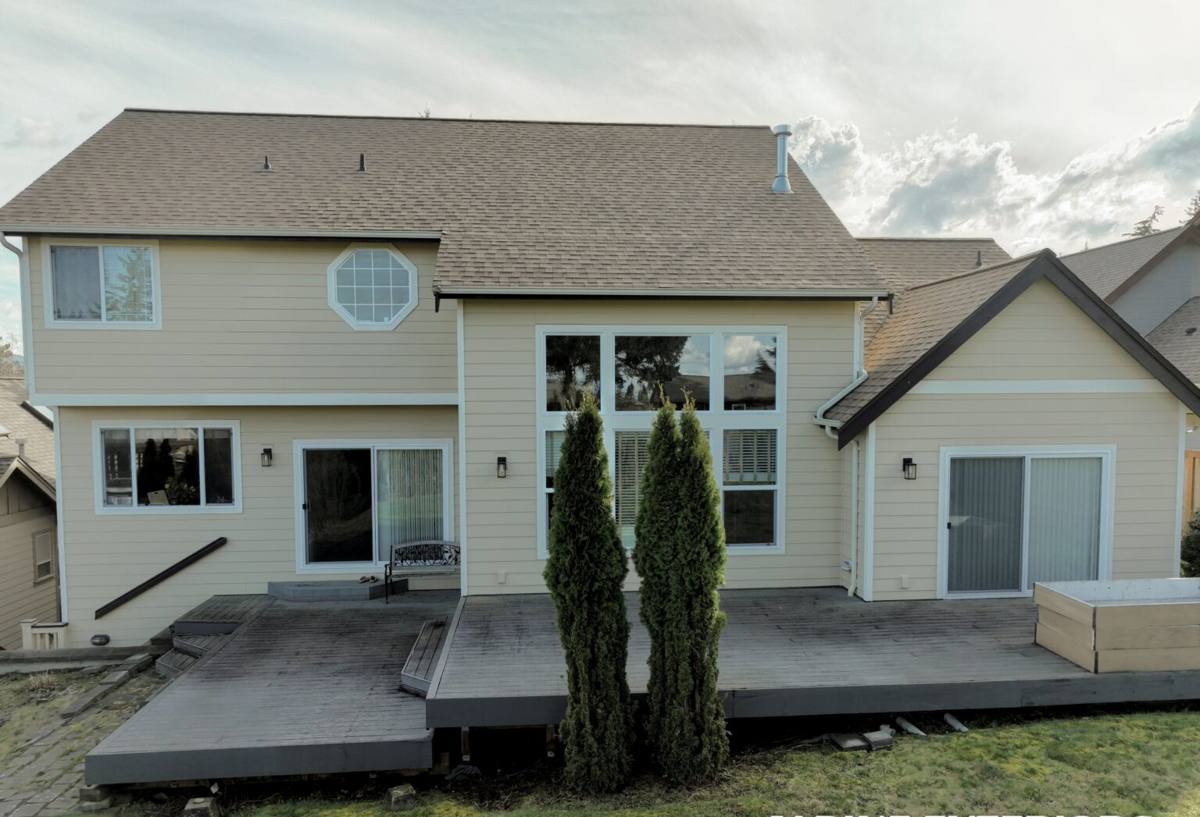
New-Construction vs. Replacement: Why It Matters Here
A "new-construction" window has a nailing fin (also called a flange) around its perimeter. That fin gets fastened directly to the framed rough opening and integrated with the wall's water-resistive barrier and flashing before siding or stucco goes back on. A "replacement" or "pocket" window, by contrast, gets inserted into an existing frame with the old exterior finish left in place — faster, but it relies on the old frame and flashing still being sound.
In Roser Park, both scenarios come up:
- New additions or accessory structures — full new-construction install from the framing stage
- Gut renovations of older homes where exterior walls are opened up to the sheathing — this is the right time to do a proper new-construction install instead of a pocket replacement
- Window openings that are being resized or relocated — always requires new-construction methods, since there's no existing frame to reuse
The advantage of new-construction installation is control: the crew builds the flashing and water management from scratch around the actual opening, rather than working around whatever was there before. On an older home, that's often the only way to actually fix a chronic leak or rot problem instead of covering it up.
When It Doesn't Make Sense
If the exterior wall isn't being opened up — siding, stucco, or brick veneer staying intact — pocket replacement is usually the more practical and less invasive option. New-construction installation only makes sense when the wall assembly is already exposed or being rebuilt. We'll tell you honestly which situation you're in before recommending one over the other.
What St. Petersburg's Climate Asks of a Window
Pinellas County sits in Florida's windborne debris region, which means new window openings here are governed by wind-load and impact-protection requirements under the Florida Building Code — not just whatever look you prefer. Beyond the code minimum, four things wear on windows in this specific area over time:
- Hurricane-force wind loads — even outside a named storm, St. Petersburg sees strong wind events that stress frames, seals, and anchoring
- Intense, near-year-round UV — breaks down vinyl, weatherstripping, and low-quality sealants faster than in most of the country
- Wind-driven rain — pushes water sideways and upward against the wall, which is a very different load than water simply running down a surface
- Salt air — corrodes hardware, fasteners, and metal components, especially the closer a property sits to the bay or Gulf
None of these individually is exotic, but together they mean a window and its installation have to perform on every axis at once — not just look good and open smoothly on day one.
| Climate Factor | What It Does Over Time | What the Window Needs |
|---|---|---|
| Wind load | Stresses frame corners, anchoring points, and glazing | Wind-rated frame and correct anchoring per opening size |
| UV exposure | Degrades seals, gaskets, and cheaper vinyl compounds | UV-stable materials and quality low-E glazing |
| Wind-driven rain | Forces water past face seals and into wall cavities | Proper flashing, sill pan, and drainage plane integration |
| Salt air | Corrodes fasteners, hinges, and hardware | Corrosion-resistant hardware and fastener selection |
What a Correct New-Construction Install Actually Involves
The window itself is only part of the job. The flashing and sequencing around it is what determines whether the wall stays dry for the next few decades. A correct new-construction installation follows a specific order:
- Rough opening is checked for square, level, and correct dimensions before anything else happens
- A sloped sill pan is installed at the bottom of the opening so any water that gets past the window drains back out, not into the wall
- The water-resistive barrier is cut and prepped so it will shingle-lap correctly over the flashing later
- The window is set, shimmed, and fastened through the nailing fin per the manufacturer's wind-load anchoring pattern
- Flashing tape or a manufactured flashing system is applied around the fin in the correct order — sides first, then top, always overlapping so water sheds outward and downward
- The head flashing integrates with the wall's drainage plane above the window
- Interior and exterior sealant beads go in at the specified points — not just "caulk the whole perimeter" — leaving a weep path so water that does get in can escape
Skipping or reordering any of these steps is the single most common cause of window leaks in Florida — far more often than the window unit itself being defective. A beautiful, expensive window installed with the flashing steps out of order will leak. A modest window installed correctly usually won't.
Working in a Historic Neighborhood
Older neighborhoods in St. Petersburg, including areas like Roser Park, often carry historic district status or fall under local design review for exterior changes. That can mean window proportions, frame profiles, grille patterns, and even frame color are subject to review before permits are approved — separate from the structural and wind-load requirements everyone in the county has to meet.
What this means practically:
- Check with the City of St. Petersburg's historic preservation review process before ordering windows if the home is in a designated historic district or on a local register
- Window profiles that closely match the sightlines and proportions of older wood or steel windows are usually easier to get approved than a modern, chunky vinyl profile
- Approval timelines can add weeks to a project — this needs to be planned for, not discovered after windows are already ordered
We don't file historic approvals on a homeowner's behalf, but we do walk you through what to expect and help select a window profile that's more likely to sail through review the first time, saving you a resubmission cycle.
Frame Material and Glazing Choices
For new-construction openings in this climate, the frame material and glass package matter as much as the brand name on the window.
| Frame Material | Strengths | Trade-Offs in This Climate |
|---|---|---|
| Vinyl | Cost-effective, low maintenance, good thermal performance | Quality varies widely; UV can degrade cheaper compounds over years |
| Aluminum | Strong, slim sightlines, holds up structurally to wind loads | Conducts heat more than vinyl; needs a marine-grade or coated finish near the coast to resist salt corrosion |
| Fiberglass | Very stable, resists UV and moisture well, strong | Higher upfront cost than vinyl |
| Wood/wood-clad | Matches historic character closely | Highest maintenance burden in humid, salt-air conditions unless well-clad and maintained |
On glazing, impact-rated glass is required in this windborne debris region unless the opening is protected by approved shutters or panels. Impact glass also happens to block a large share of UV transmission, which helps interior furnishings and finishes last longer — a side benefit worth knowing about, not a marketing gimmick.
Permitting in St. Petersburg and Pinellas County
New-construction window installation is permitted work here — this isn't optional paperwork to skip. A permitted job means the rough opening, flashing, and anchoring get inspected before the wall is closed up, which is exactly the point in the process where a bad flashing job is easy to catch and expensive to hide later. We pull permits as part of the job and coordinate inspections around the framing and rough-in schedule, not after the fact.
Why Local Experience in Roser Park Specifically Helps
A crew that's worked in Roser Park and similar older St. Petersburg neighborhoods already knows a few things that save time and rework:
- What the historic review process typically expects in terms of window profile and proportion
- How older framing and wall assemblies in homes from this era are typically built, so surprises behind the wall don't derail the schedule
- Which flashing details tend to fail first on homes exposed to wind-driven rain off the bay
- Realistic timelines that account for both city permitting and any historic design review
None of that replaces doing the physical installation correctly — but it does mean fewer surprises, fewer resubmissions, and a schedule that holds up.
Simple Checklist Before You Start
- Confirm whether the property is in a historic district or subject to design review
- Decide early whether this is a new-construction or pocket-replacement scope — it affects both cost and timeline
- Ask what wind-load rating the openings require based on the home's exposure category
- Confirm impact glass vs. shutter protection plan for code compliance
- Get the flashing and sill pan approach explained in plain language, not just the window brand and price
If you're planning an addition, a full renovation, or new window openings on a home in Roser Park, we're glad to walk the property, explain what your specific openings need, and put together a straightforward estimate. There's no pressure and no obligation — just fill out the form below to get started.