 St. Petersburg Siding
 Decking Built for Roser Park's Older Homes and Coastal Climate
Roser Park sits close to downtown St. Petersburg, and like much of the neighborhood's historic housing stock, many of the homes here were built long before composite decking existed as an option. That means most of our Roser Park decking calls fall into one of two categories: replacing a wood deck that's finally given out after years of Gulf Coast weather, or adding a new deck to a home where the owner wants something that fits the character of the house without the annual maintenance grind. Either way, the deck has to hold up to the same conditions every other structure in Pinellas County deals with — heavy UV exposure nearly year-round, wind-driven rain off the bay, salt-laden air, and the real possibility of hurricane-force winds during storm season.
This page is specifically about composite decking for homes in and around Roser Park — what the climate demands, what a correct installation actually involves, and how our process works when we take on a project in this neighborhood.
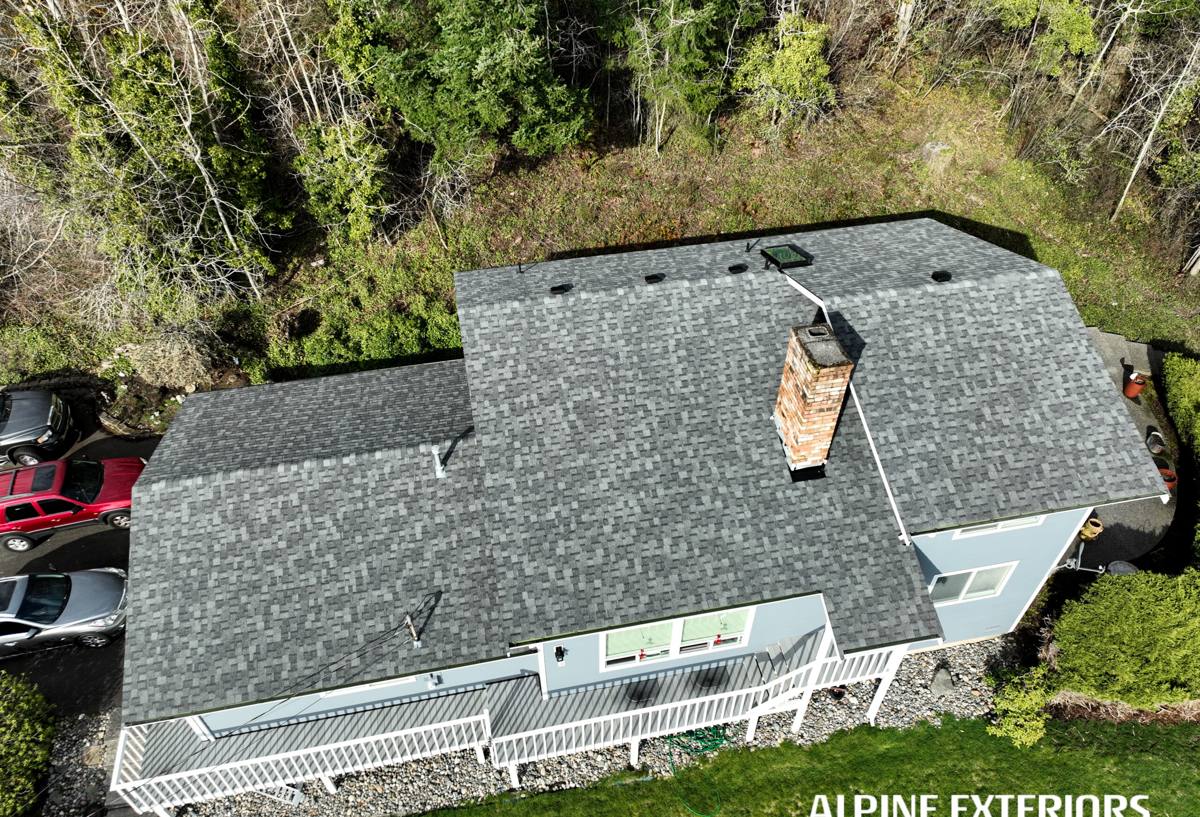
What St. Petersburg's Climate Does to a Deck Over Time
A deck in Pinellas County isn't just furniture — it's an exterior structure that takes a beating from four directions at once:
- UV exposure: Florida sun is intense for most of the year, not just summer. Untreated or poorly finished wood grays and checks quickly; lower-grade composites can fade unevenly, especially on the sun-facing side of the deck.
- Wind-driven rain: Storms here rarely come straight down. Rain gets pushed sideways into fastener holes, board gaps, and ledger connections, which is where most long-term rot and hidden damage starts.
- Salt air: Even away from the immediate waterfront, salt in the air accelerates corrosion on fasteners, brackets, and any exposed metal hardware.
- Hurricane-force wind loads: A deck attached to the house is a structural element during a storm, not just a surface. Ledger attachment, joist hangers, and railing posts all need to be sized and fastened for wind uplift, not just static weight.
None of this is unique to Roser Park, but it's worth saying plainly: a deck built to a generic national spec, without accounting for these four factors, will show problems here faster than it would somewhere inland and dry.
Why This Matters More on Older Roser Park Homes
Homes in Roser Park's older sections often have foundations, ledger walls, and framing that were never designed with a modern deck attachment in mind. Before we build or replace anything, we check what the deck is actually being fastened to. A composite deck board is only as good as the substructure underneath it — flashing, ledger connection, and joist spacing matter more to long-term performance than the decking material itself.
Composite vs. Other Decking Materials in a Coastal Climate
We install composite decking because, for most Roser Park homeowners, it's the best balance of appearance, upkeep, and resistance to the specific conditions we deal with here. That said, it's not automatically the right call for every project, and we'll tell you honestly when a different material fits better.
| Material | UV / Fade Resistance | Moisture Behavior | Maintenance | Typical Lifespan Here |
|---|---|---|---|---|
| Composite (capped) | Strong — capped boards resist fading and don't need refinishing | Doesn't absorb water like wood; no rot risk in the board itself | Occasional wash; no staining or sealing | 25–30+ years |
| Pressure-treated wood | Grays and checks without regular finishing | Absorbs moisture; prone to rot, warping, and fastener pull-through | Annual sealing/staining recommended | 10–15 years with upkeep |
| Tropical hardwood (e.g., ipe) | Fades to gray without oiling | Very durable but expensive and installation-sensitive | Regular oiling to maintain color | 20–25+ years |
| PVC decking | Excellent | Fully water-resistant | Low | 25–30+ years |
We steer most Roser Park homeowners toward capped composite because it removes the two biggest failure points we see locally: UV-driven surface breakdown and moisture-related fastener or board failure. Uncapped or budget composite boards are the exception — they can still fade unevenly and pick up staining faster in this climate, which is why we're selective about the product lines we install.
What a Correct Composite Deck Build Actually Involves
The decking boards themselves get most of the attention, but they're the last thing installed, not the most important. A composite deck that's going to hold up here needs correct work at every layer:
Substructure and Framing
Joist spacing has to match the composite manufacturer's spec — composite boards flex differently than wood and are less forgiving of wide joist spacing, especially on angled or diagonal board layouts. We also use joist tape or a comparable moisture barrier on top of the framing, which protects the wood substructure from trapped moisture under the composite boards — a detail that's easy to skip and expensive to fix later.
Ledger Attachment and Flashing
Where the deck ties into the house, correct flashing keeps wind-driven rain from working its way behind the siding or into the rim joist. This is the single most common source of hidden rot we find when we're called out to inspect an older deck — the boards on top looked fine while the structure underneath was failing.
Fasteners and Hardware
Everything below the decking surface — joist hangers, structural screws, ledger bolts — needs to be corrosion-resistant hardware rated for coastal or treated-lumber contact. Standard hardware corrodes faster here because of the salt air, and a corroded hanger is a structural problem, not a cosmetic one.
Fastening the Boards
Hidden fastener systems give a clean look but need to be installed to the manufacturer's exact spacing to perform correctly under wind uplift and thermal expansion. Composite expands and contracts with heat more than people expect in Florida's temperature swings between summer and winter — gapping has to account for that or boards will buckle over time.
Railings and Structural Connections
Railing posts are a wind-load connection, not just a guardrail. For any elevated deck, post attachment needs to meet current wind-load requirements for the area — this is one of the first things a St. Petersburg building inspector will check.
Our Process for a Roser Park Composite Decking Project
- On-site assessment: We look at the existing structure (if there is one), the ledger connection point, drainage around the deck footprint, and any access constraints common to Roser Park's lots and older home layouts.
- Design and material selection: We walk through composite board options, colors, and railing styles, and give you an honest read on what fits the home and the budget.
- Permitting: Deck construction and replacement in St. Petersburg generally requires a permit and inspection. We handle the permit submission and coordinate the required inspections.
- Demo (if replacing): Removal of the old deck, with an inspection of the ledger and framing underneath before we build anything new.
- Structural build: Framing, flashing, joist tape, and hardware installed to spec before a single composite board goes down.
- Decking and railing installation: Boards, fascia, and railings installed with correct fastener spacing and gapping for Florida's thermal swings.
- Final walkthrough and inspection: We review the finished deck with you and coordinate final inspection sign-off.
Permitting and Code Considerations in St. Petersburg
Composite decking itself isn't the part that draws code scrutiny — the structure underneath is. St. Petersburg's permitting process for decks looks closely at footing depth, ledger attachment, and railing/guard height and spacing, particularly for elevated decks. Skipping the permit on a deck replacement is a common shortcut that can create problems at resale, since an unpermitted structure typically has to be disclosed and can hold up a sale. We pull permits as a standard part of every deck project, not an add-on.
Maintaining a Composite Deck in a Coastal Climate
Composite decking is low-maintenance, not no-maintenance. In this climate, a few habits go a long way toward getting the full lifespan out of the material:
- Rinse the deck surface periodically to clear salt residue, pollen, and organic debris before it builds up.
- Sweep or blow off leaves and debris from between boards to keep drainage gaps clear.
- Check railing posts and stair connections once or twice a year for any looseness.
- Keep planters and grills from sitting directly on the boards long-term without a protective mat — trapped moisture and heat can affect even capped composite over time.
- After any major storm, do a quick visual check of the ledger connection and any exposed fasteners.
Why Hiring a Crew That Already Works in Roser Park Matters
Roser Park's older housing stock, mature lot layouts, and mix of historic and updated homes mean a deck project here often has quirks a generic crew won't anticipate — unusual grade changes, existing structures that weren't built to current code, or access limitations on tighter lots. A contractor who's already worked in the neighborhood knows to check these things upfront instead of discovering them mid-project. We're also familiar with St. Petersburg's permitting process specifically, which keeps inspections moving instead of stalling out on paperwork issues.
Beyond the neighborhood-specific knowledge, the bigger factor is accountability. A composite deck is a structural investment meant to last decades — that only holds true if the substructure, flashing, and fastening were done correctly the first time. We stand behind that work because we're not leaving town after the job is done.
Get a Straightforward Estimate
If you're planning a new composite deck or replacing one that's past its prime, we're happy to come take a look and give you a straightforward, no-pressure estimate — no upsell, just an honest read on what your home and budget need. Use the form below to get started.