 St. Petersburg Siding
 Why Pinellas Point Roofs Wear Out Faster Than the Textbook Says
Pinellas Point sits on a peninsula surrounded on three sides by water, which means every roof here does double duty. It has to survive the same hurricane-season wind and rain that hits the rest of Tampa Bay, plus the constant, quieter damage of salt air drifting in off Boca Ciega Bay and Tampa Bay. A roofing system that would give twenty-five trouble-free years in a landlocked climate can start showing real wear in half that time here if it wasn't installed with this specific environment in mind.
That's the core problem we see on a lot of new roof installation calls in this neighborhood: the roof isn't necessarily old, it's just not built for where it sits. Getting it right the first time matters more here than almost anywhere else in the county.
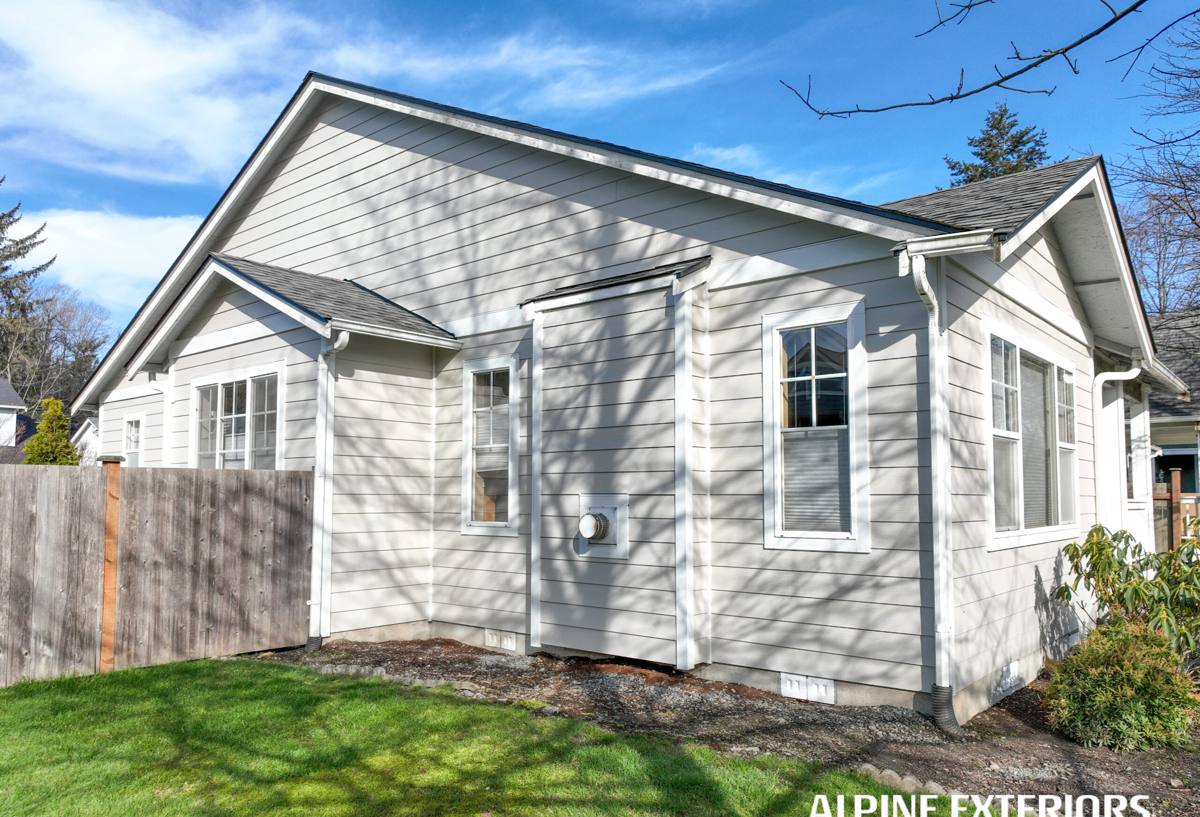
What This Climate Actually Does to a Roof
Wind
Pinellas Point homes take wind from an open water exposure that inland St. Petersburg neighborhoods don't see. During tropical systems and even routine summer storms, wind gets under loose or under-fastened shingles and edge metal, and once it finds a gap it peels roofing back fast. Wind-driven rain follows right behind it, pushing water sideways and upward under laps that were never designed to handle anything but gravity.
Sun and heat
Florida sun runs roofing materials through a punishing UV and thermal cycle almost every day of the year. Asphalt shingles lose their oils and granules faster under this kind of exposure, sealants dry out and crack, and anything installed with shortcuts on adhesive or fastening tends to show it early.
Salt air
Being this close to the water means airborne salt settles on every exposed surface. It accelerates corrosion on exposed metal fasteners, flashing, and vent components, which is why fastener and flashing material choice matters as much as the shingle or panel brand on top.
Wind-driven rain and humidity
Even outside of storms, Pinellas Point's humid marine air keeps roof decks and attics damper than drier inland areas. Roofs with weak ventilation or poor underlayment choices hold onto that moisture, which shows up later as deck rot or mold in the attic long before the shingles themselves look worn.
Signs a Pinellas Point Home Needs a New Roof, Not Another Repair
Repairs make sense for isolated damage. A full new roof installation makes sense when the underlying system is failing broadly. Signs worth taking seriously include:
- Granule loss heavy enough that you're finding grit in gutters and downspouts regularly
- Shingles that are curling, cupping, or cracking across multiple slopes, not just one storm-damaged section
- Soft spots or visible sagging anywhere on the roof deck
- Daylight visible through the attic roof boards, or water stains on attic decking after rain
- Flashing around chimneys, skylights, or wall intersections that's rusted, lifted, or missing sealant
- A roof approaching or past 18-20 years old (asphalt) with no major upgrades since install
- Rising energy bills tied to poor attic ventilation or degraded roofing insulation value
- Your insurance carrier requesting a roof age or condition inspection, or declining renewal over roof age
If you're seeing two or more of these, it's worth a real inspection before deciding between repair and replacement.
Choosing a Roofing System for This Exposure
There's no single "correct" material for every home, but each option carries real trade-offs once you factor in coastal wind and salt exposure. Here's how the common choices compare for a home in this part of St. Petersburg:
| Material | Wind performance | Salt air / coastal durability | Typical lifespan here |
|---|---|---|---|
| Architectural asphalt shingle | Good, when rated and installed for high wind and properly fastened | Moderate — granule and fastener quality matter | 15-22 years |
| Standing seam metal | Excellent when properly fastened to a sound deck | Strong with coated, corrosion-resistant panels and fasteners | 30-45+ years |
| Concrete or clay tile | Strong when installed with correct fastening and underlayment system | Good — tile itself resists salt, but flashing and fasteners still need attention | 30-50 years |
| Flat / low-slope membrane (rear additions, porches) | Depends on membrane and edge detailing | Good with correct seam and edge protection | 15-25 years |
We'll walk you through what fits your home's structure, budget, and how long you plan to stay in it — there's no upsell pressure toward the most expensive option if a well-installed asphalt system is the right call for your situation.
What a Correct New Roof Installation Actually Involves
The material on top gets all the attention, but most roof failures in this area trace back to what's underneath it. A proper installation includes:
Deck inspection and repair
Every board gets checked once the old roofing is off. Soft, delaminated, or water-damaged decking gets replaced — not covered over. This is the step that gets skipped by crews trying to move fast, and it's the one that determines whether the new roof has a sound base to hold fasteners.
Underlayment built for wind-driven rain
A synthetic or self-adhering underlayment rated for high-wind, high-moisture exposure goes down as the roof's real waterproofing layer. This matters most in exactly the conditions Pinellas Point sees regularly: sideways rain that gets past the surface material.
Flashing at every penetration and transition
Chimneys, vent pipes, skylights, and wall-to-roof transitions are where most leaks start. Correctly formed and sealed flashing, with corrosion-resistant materials suited to salt air, is non-negotiable here.
Fastening to code wind-speed requirements
Florida Building Code sets wind-load and fastening requirements based on your specific location's design wind speed, and coastal Pinellas County properties are generally rated for stronger wind resistance than inland areas. Nail pattern, fastener type, and adhesive sealant strips all get specified to meet that rating — not just "however many nails fit."
Ventilation that actually balances
Intake at the eaves and exhaust at the ridge need to work together. Get this wrong and you trap heat and moisture in the attic, which shortens the life of everything above it, including the new roof.
Edge metal, drip edge, and gutters tied in correctly
This is often the first thing wind gets under when it's installed loosely. Properly fastened edge metal is a small line item that prevents a disproportionate amount of wind damage.
Our Process, Start to Finish
- Inspection and honest assessment. We look at the deck, attic, flashing, and existing roof condition and tell you plainly whether you need a repair, partial replacement, or full new roof.
- Written estimate and material walkthrough. You'll know the material, underlayment, fastening approach, and total cost before any work starts — no vague allowances.
- Permitting. New roof installations require a permit through the City of St. Petersburg or Pinellas County, depending on jurisdiction. We handle the application and inspections.
- Tear-off and deck inspection. Old roofing comes off down to the deck, and any damaged decking is documented and replaced.
- Underlayment, flashing, and ventilation installation. This is where the roof's actual weatherproofing performance is built.
- Roofing material installation. Installed to the fastening pattern and wind-rating specification for your address.
- Final inspection and walkthrough. Local building inspection sign-off, plus our own walkthrough with you before we consider the job finished.
- Cleanup. Full site cleanup including magnetic sweep for stray nails and debris hauled off.
What Affects the Cost of a New Roof in Pinellas Point
| Factor | Why it moves the price |
|---|---|
| Roof size and pitch | More surface area and steeper slopes mean more material and labor time |
| Number of penetrations and transitions | Each chimney, skylight, and roof-to-wall junction adds flashing labor |
| Deck condition | Rotted or delaminated decking found during tear-off requires replacement, priced separately from the base roofing scope |
| Material choice | Asphalt, metal, and tile carry very different material and labor costs |
| Wind-rating and fastening requirements | Higher wind-speed ratings can require additional fasteners, straps, or upgraded underlayment |
| Access and layout | Multi-story sections, tight lot lines, or landscaping that limits equipment access add labor time |
We give a firm written estimate after the inspection — not a phone-quoted range — because these factors vary enough house to house that a real number requires seeing your roof first.
Why Working With a Crew That Already Knows Pinellas Point Matters
A contractor who works this specific area regularly already knows the wind exposure differences between a home a block from the water and one further inland, has a working relationship with the local permitting office, and has seen how different materials actually hold up here over years, not just on a spec sheet. That local track record shows up in smaller decisions throughout the job — which fastener spacing to use, how to detail a valley against wind-driven rain, where extra flashing attention actually pays off on this peninsula.
It also matters for insurance. Florida insurers increasingly ask for documentation on roof age, material, and installation compliance with current wind-mitigation standards. A correctly installed and properly documented new roof can affect both your coverage eligibility and your premium, and a contractor familiar with local requirements can make sure that paperwork is done right the first time.
Maintaining a New Roof in This Environment
A new roof installed correctly still benefits from basic upkeep in a coastal climate like this one:
- Rinse accumulated salt residue and debris off the roof surface periodically, especially after long dry spells
- Keep gutters clear so wind-driven rain has somewhere to go instead of backing up under edge metal
- Trim back overhanging branches that can abrade roofing material in wind
- Have flashing and sealant points checked after any major storm, even if there's no visible interior leak
- Schedule a professional inspection roughly every one to two years, and always after named storms
None of this replaces a correct initial installation, but it extends the life of one.
Ready for a Straight Answer on Your Roof
If you're weighing repair versus replacement, or you just want an honest read on where your roof stands, we're happy to take a look. We'll give you a clear, no-pressure estimate and explain exactly what we find — use the form below to get started.