 St. Petersburg Siding
 Why Pinellas Point Roofs Take a Different Kind of Beating
Pinellas Point sits on the water, on a peninsula that catches wind and salt spray from Boca Ciega Bay and the open Gulf beyond it. That location is part of what makes the neighborhood desirable, and it's also exactly why roofs here fail faster than roofs ten miles inland. A roofing system that's rated fine for a subdivision in the middle of the county can still be the wrong choice for a home sitting close to open water.
Three things do most of the damage over time. Hurricane-force wind gusts test every fastener, seam, and edge detail a roof has — and in a storm, the weak point is rarely the field of the roof, it's the perimeter and the penetrations. Intense, near year-round Florida UV breaks down coatings, sealants, and asphalt products faster than the manufacturer's glossy brochure suggests. And salt-laden air, blowing in off the water and settling on every exposed surface, accelerates corrosion on any metal that isn't specified and coated correctly for a marine environment. Add wind-driven rain that gets pushed sideways under standard flashing details, and you have a climate that punishes shortcuts.
Metal roofing, done right, is one of the strongest answers to that combination — but "done right" is doing a lot of work in that sentence. A poorly installed metal roof in a coastal-exposure neighborhood like Pinellas Point can fail in ways a poorly installed asphalt roof never would: galvanic corrosion from mismatched metals, panel oil-canning from bad substrate prep, or fastener backout from under-spec'd screws. The material isn't the whole story. The installation is.
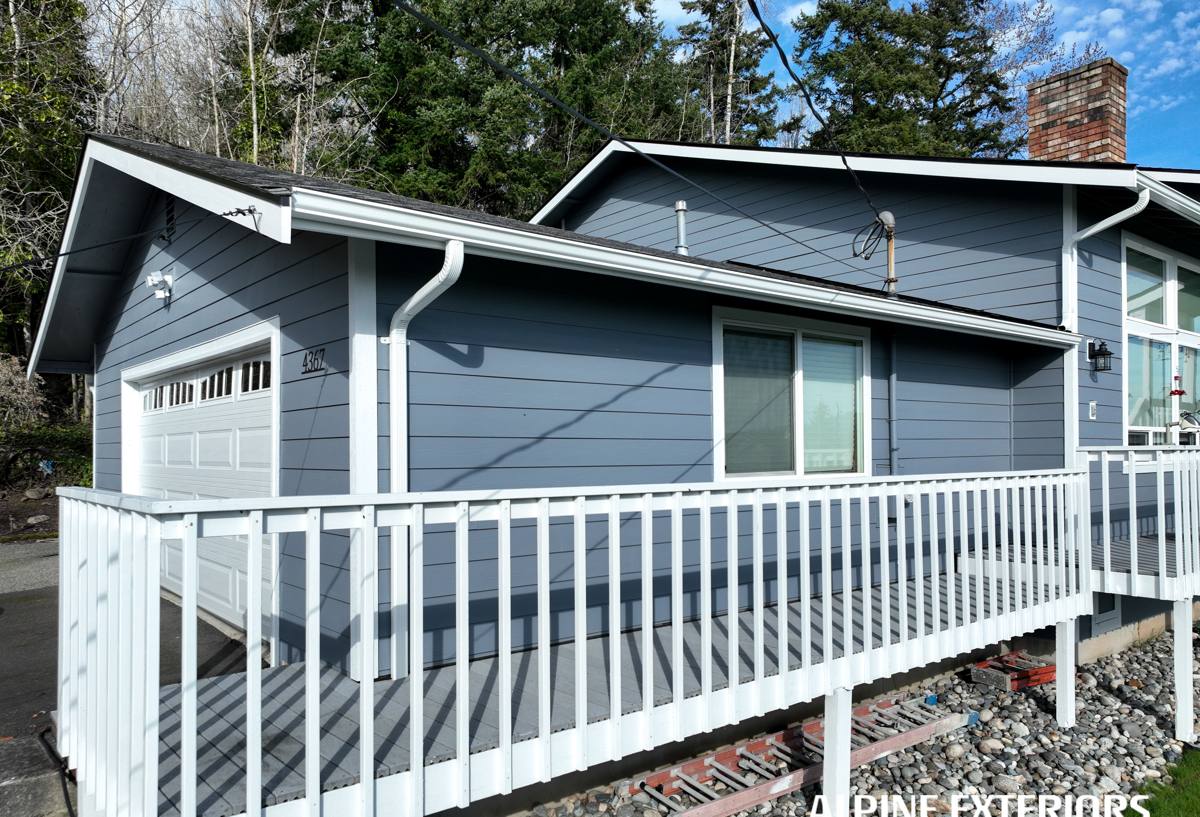
What a Correct Metal Roof Installation Actually Involves
Deck and Underlayment
Everything starts with the roof deck. On homes in this area, we check for soft or delaminated sheathing before anything goes down — metal roofing telegraphs deck problems over time, and it's far cheaper to fix decking now than to pull panels later. Over a sound deck, we install a high-temperature, self-adhering underlayment rated for the wind-driven rain this area sees. In a coastal-exposure zone, underlayment isn't a formality; it's the roof's actual waterproofing layer if wind ever lifts a seam or drives rain sideways under a panel edge.
Fasteners and Metal Compatibility
Salt air corrodes mismatched metals fast through galvanic reaction — an aluminum panel fastened with the wrong-grade steel screw, or copper flashing touching aluminum trim, will corrode at the contact point years before the rest of the roof shows wear. We match fastener and flashing metals to the panel system and use coastal-rated stainless or coated fasteners throughout, not just at visible trim.
Edges, Penetrations, and Seams
Wind failures on metal roofs almost always start at an edge, a ridge, or a penetration — not in the open field of the roof. Correct hemmed drip edges, properly lapped and sealed ridge caps, and boots or flashing at every pipe and vent are what keep a roof intact when gusts hit 100+ mph instead of peeling back at the first weak seam. This is also where corner-cutting is hardest to spot on a finished roof and easiest to regret during the next named storm.
Panel Type and Attachment
Standing seam panels use concealed fasteners and interlocking seams, which perform best in high-wind, high-salt exposure because there are no exposed screw heads to corrode or back out over time. Exposed-fastener panel systems can still be a sound, more budget-friendly option on the right structure, but they require more disciplined fastener maintenance over the life of the roof, which matters more here than it would inland.
Choosing the Right Metal System for a Waterfront-Adjacent Home
Not every metal roofing system is the right fit for every Pinellas Point property. The right call depends on how close the home is to open water, the roof's pitch, and what the homeowner wants long-term.
| System | Best For | Coastal Consideration |
|---|---|---|
| Standing seam (concealed fastener) | Direct or near-waterfront exposure, low-slope sections | Best wind and corrosion performance; no exposed fasteners to fail over time |
| Metal shingles / shakes | Homes wanting a traditional look with metal's durability | Good performance if flashing detail at overlaps is done correctly |
| Exposed-fastener panels | Budget-conscious projects, outbuildings, secondary structures | Requires periodic fastener inspection; more failure points in high wind |
| Aluminum vs. steel panel | Aluminum for direct salt exposure; steel for value where exposure is lighter | Aluminum won't rust; steel needs a proven coastal-grade coating |
We don't push one system on every roof. We look at how exposed the specific structure is to salt spray, what the existing roofline and pitch can support, and what the homeowner actually wants to maintain over the next 20-40 years, then explain the honest trade-offs before recommending anything.
How Our Process Works
- On-site inspection. We walk the roof, check the deck condition, and assess actual wind and salt exposure for that specific property — a home two blocks off the water gets evaluated differently than one facing open shoreline.
- Written estimate with system options. You get a clear breakdown of panel type, gauge, coating, and fastener spec — not just a single number.
- Permitting. We pull the required permits through Pinellas County and the City of St. Petersburg before work starts, and build to current Florida Building Code wind-load requirements for this area.
- Tear-off and deck repair. Old roofing comes off, the deck is inspected and repaired where needed, and any soft sheathing is replaced before underlayment goes down.
- Installation. Underlayment, panels, edge and penetration flashing, and ridge details are installed to spec, not shortcut.
- Final walkthrough and inspection. We review the finished roof with you and coordinate the required county/city inspection sign-off.
What Drives the Cost of a Metal Roof Here
| Factor | Why It Matters in Pinellas Point |
|---|---|
| Panel material and gauge | Heavier-gauge aluminum resists salt corrosion better but costs more than lighter steel |
| Panel system type | Standing seam runs higher than exposed-fastener panels due to labor and materials |
| Roof complexity | Multiple ridges, valleys, and penetrations mean more flashing labor and material |
| Deck condition | Rotted or delaminated sheathing found during tear-off adds repair cost |
| Coating and warranty tier | Marine-grade coatings cost more upfront but hold up longer against salt air |
We give a written range after the on-site inspection, not a phone-quoted guess — deck condition alone can shift the number, and we'd rather tell you honestly than surprise you mid-job.
Maintaining a Metal Roof in a Salt-Air Environment
Metal roofing is low-maintenance compared to asphalt, but "low" isn't "none" — especially this close to the water. A short annual routine catches most problems while they're still cheap to fix.
- Rinse accumulated salt film off panels and flashing once or twice a year, especially after long dry stretches without rain
- Check exposed fasteners (if the roof uses an exposed-fastener system) for backout or early corrosion
- Clear debris from valleys and around penetrations so water doesn't pool against a seam
- Inspect sealant at boots, vents, and flashing joints — sealant degrades from UV faster than the metal does
- Walk the roofline after any major storm to check for lifted edges or displaced ridge caps
- Keep gutters clear so water sheets off the roof instead of backing up under the drip edge
Permitting, Wind Ratings, and Insurance in Pinellas County
Pinellas County sits in a wind-borne debris region under the Florida Building Code, which means roofing materials and installation methods have to meet specific wind-uplift standards — not just be "hurricane resistant" as a marketing phrase. A correctly installed and documented metal roof can also qualify for wind mitigation credits on your homeowner's insurance, which is worth confirming with your carrier once the job is done and inspected. We build to code minimums as a floor, not a ceiling, given how exposed properties in this part of St. Petersburg actually are.
Why Hiring a Crew That Already Works Pinellas Point Matters
A roofing crew that mostly works inland neighborhoods isn't necessarily wrong about metal roofing in general — but they may not default to coastal-grade fasteners, marine coatings, or the flashing discipline that a waterfront-adjacent roof actually needs, because most of their jobs don't require it. A crew that regularly works this part of Pinellas County treats salt exposure and wind load as the baseline, not a special request. We also already know the Pinellas County and City of St. Petersburg permitting process for this type of work, which keeps the project moving instead of stalling on paperwork.
If you're weighing a metal roof for a Pinellas Point property, we're happy to take a look and give you a straight answer — including telling you if a repair or a different system makes more sense than a full replacement. Reach out for a free, no-pressure estimate using the form below.