 St. Petersburg Siding
 Windows Built for Pinellas Point's Waterfront Exposure
Pinellas Point sits on a peninsula surrounded by water on three sides, which means homes here take a different kind of beating than houses even a few miles inland. The combination of near-constant salt air, intense year-round UV, wind-driven rain off Tampa Bay and Boca Ciega Bay, and the real possibility of hurricane-force wind loads puts more stress on windows than most manufacturers assume in their standard warranty language. An energy-efficient window that works fine in a mild inland climate can underperform here within a few years if it wasn't chosen and installed with this specific exposure in mind.
We install and replace windows throughout St. Petersburg and Pinellas County, but Pinellas Point homes get a specific set of recommendations from us because of where the neighborhood sits. This page covers what actually matters for windows in this area — not generic window-buying advice.
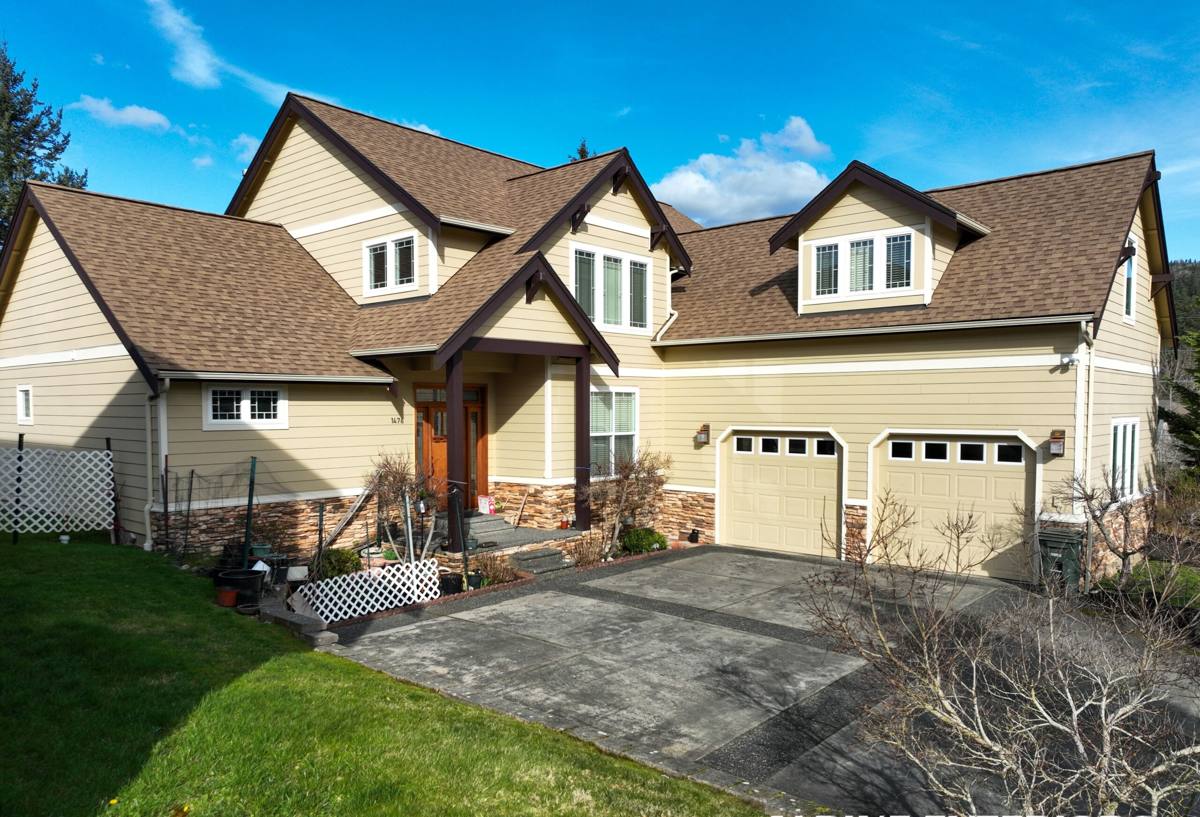
What Local Conditions Do to Ordinary Windows
Salt Air and Metal Components
Salt-laden air corrodes aluminum frames, hardware, and even some vinyl reinforcement components faster than most homeowners expect. Cheaper hardware — hinges, cranks, locking mechanisms — can start sticking or corroding within a handful of years in a coastal-adjacent zone like Pinellas Point. This isn't a defect; it's just what salt air does to unprotected or under-spec'd metal over time.
UV Exposure
Florida gets strong, direct sun essentially year-round. UV breaks down inferior vinyl formulations, causes discoloration, and degrades weatherstripping and seals faster than in northern climates. Glass packages without a proper low-E coating also let in more solar heat gain, which shows up directly on cooling bills.
Wind-Driven Rain
Because Pinellas Point is exposed on multiple sides to open water, wind-driven rain during storms and even routine summer squalls pushes moisture into places a calmer inland install wouldn't face. Window and flashing details that would be "good enough" elsewhere aren't always good enough here.
Hurricane Wind Loads
Pinellas County enforces Florida Building Code wind-load and impact requirements, and homes in exposed waterfront-adjacent areas like Pinellas Point often sit in categories that call for the higher end of those requirements. Windows here need to be rated and installed to handle real wind pressure, not just meet a minimum on paper.
What a Correct Energy-Efficient Window Job Involves Here
"Energy-efficient" gets used loosely in this industry. For a Pinellas Point home, we look at four things together — glass performance, frame material, impact rating, and installation detail — because leaving any one of them out undermines the rest.
Glass Package
Low-E coated, insulated glass units are the baseline for this climate. The right coating and gas-fill combination cuts solar heat gain (keeping the AC from working overtime) while still letting in usable daylight. In coastal-adjacent zones, we also weigh laminated glass options, which combine energy performance with impact resistance in a single pane assembly.
Frame Material
Vinyl and fiberglass frames generally hold up better against salt air and humidity than bare aluminum, which is prone to pitting and corrosion near the water. Whatever material we recommend, it needs to be a formulation rated for coastal Florida use, not a generic vinyl spec pulled from a colder-climate catalog.
Impact and Wind Rating
Windows installed in this area should carry a wind-load rating appropriate to the home's exposure category under Florida Building Code, and in many cases either impact-rated glass or code-compliant shutter protection to satisfy the opening protection requirement. We pull the actual permit and code requirements for the property rather than guessing.
Installation Detail
Even a top-tier window fails early if it's flashed and sealed incorrectly. Proper installation means correct flashing integration with the existing wall assembly, closed-cell foam or approved sealant at the perimeter (not just caulk), and fasteners and shims rated for the wind load the window is designed to handle. This is where a lot of energy loss and water intrusion problems actually originate — not in the window unit itself.
Comparing Frame Options for This Climate
| Frame Type | Salt Air Durability | Energy Performance | Maintenance | Typical Trade-Off |
|---|---|---|---|---|
| Vinyl (coastal-grade) | Good | Good to very good | Low | Can flex under extreme heat if low-quality formulation |
| Fiberglass | Very good | Very good | Low | Higher upfront cost |
| Aluminum (standard) | Poor without coastal coating | Fair (thermal bridging) | Higher (corrosion checks) | Corrodes and conducts heat unless specially treated |
| Wood-clad | Requires diligent upkeep | Good | High | Cladding can trap moisture near the coast if seals fail |
We don't push one material for every job — the right call depends on the home's exposure, budget, and whether it's a full-house replacement or targeted upgrade. What we won't do is install a frame material or hardware grade we know performs poorly against salt air, because the callback and premature failure risk lands on the homeowner, not the manufacturer.
Our Process for Pinellas Point Window Projects
- On-site assessment: we look at current window condition, frame material, exposure direction (bay-facing sides typically take more weather than street-facing sides), and any existing water intrusion or corrosion signs.
- Code and permit check: we confirm the wind-load and impact requirements that apply to the property under Pinellas County's adopted Florida Building Code provisions.
- Product recommendation: we match glass package, frame material, and rating to the home's actual exposure — not a one-size-fits-all package.
- Removal and prep: old units are removed carefully to inspect the surrounding wall assembly for hidden moisture damage before it gets covered back up.
- Installation: correct flashing, sealing, and fastening to the rated specifications — this step is what actually determines long-term performance.
- Final inspection and cleanup: we check operation, seals, and finish before we consider the job done.
Why Hire a Crew That Already Works Pinellas Point
A contractor who mainly works inland neighborhoods may default to standard-spec windows and standard installation details that aren't wrong, exactly — just not matched to what a bay-exposed home in St. Petersburg actually needs. Working this specific area regularly means we already know:
- Which sides of a Pinellas Point home typically take the worst wind-driven rain and need the most attention at the flashing details
- What Pinellas County's permitting office expects to see in a window replacement application
- Which hardware and frame grades hold up versus which corrode or discolor early in this air
- How to sequence a multi-window replacement so the home isn't left exposed during Florida's rainy season
- What existing wall and sill conditions are common in this neighborhood's housing stock, so surprises during removal are the exception, not the rule
Signs Your Current Windows Are Costing You Money
Not every home needs full replacement right away. Some practical warning signs worth a look:
- Visible condensation or fogging between panes (a sign the seal has failed and the insulating gas is gone)
- Frames that feel warm to the touch on a hot day, or noticeably hot/cold rooms near certain windows
- Hardware that's stiff, corroded, or no longer locks flush
- Visible pitting or white residue on aluminum frames
- A noticeable jump in cooling costs without a clear cause
- Peeling paint or soft trim around window openings, which can indicate moisture getting behind the frame
What Affects Cost
We don't quote sight-unseen, but the main factors that move price on a Pinellas Point window project are consistent from house to house:
| Factor | Why It Matters |
|---|---|
| Impact rating required | Impact-rated glass and heavier frames cost more than standard-rated units but may remove the need for separate shutters |
| Frame material | Fiberglass generally costs more upfront than vinyl; aluminum with coastal coatings varies widely |
| Number and size of openings | Larger openings and specialty shapes (bay, picture windows) add labor and material |
| Existing wall condition | Hidden rot or moisture damage found during removal adds repair scope |
| Full-frame vs. insert replacement | Full-frame replacement costs more but is often necessary when the existing frame or sill is compromised |
Broadly, homeowners in this area should expect energy-efficient, code-compliant window replacement to run from the low thousands per opening for standard units up into a higher range for large, impact-rated, or specialty configurations. We'll give you a real number after we've actually looked at the home.
Maintaining Your Investment
Even well-installed windows need occasional attention in this climate. Rinsing salt residue off frames and glass periodically, checking weatherstripping annually, keeping weep holes clear of debris, and having hardware lubricated once a year go a long way toward getting the full lifespan out of the investment. We can walk you through a simple maintenance routine specific to your window type when the job is done.
If your Pinellas Point home has aging, drafty, or storm-damaged windows, we're happy to take a look and give you a straightforward, no-pressure estimate — just fill out the form below.