 St. Petersburg Siding
 Why Old Northeast Homes Take a Different Kind of Beating
Old Northeast sits close enough to open water that its houses deal with a combination few inland neighborhoods ever see: hurricane-force wind gusts during the active season, wind-driven rain that gets pushed sideways into wall assemblies, some of the most intense year-round UV exposure in the continental United States, and a steady drift of salt air off Tampa Bay and the Gulf. Any one of those is hard on exterior siding. Together, over years, they're what separates a siding job that lasts two decades from one that fails in five.
Many of the homes in this part of St. Petersburg are older — wood-frame bungalows, Mediterranean Revival houses, and mid-century construction that was often re-sided at least once already, sometimes with materials that were never engineered for this specific climate. That combination of age, original construction methods, and coastal exposure is exactly the situation where the choice of siding material and the quality of the installation matter more than almost anywhere else in Pinellas County.
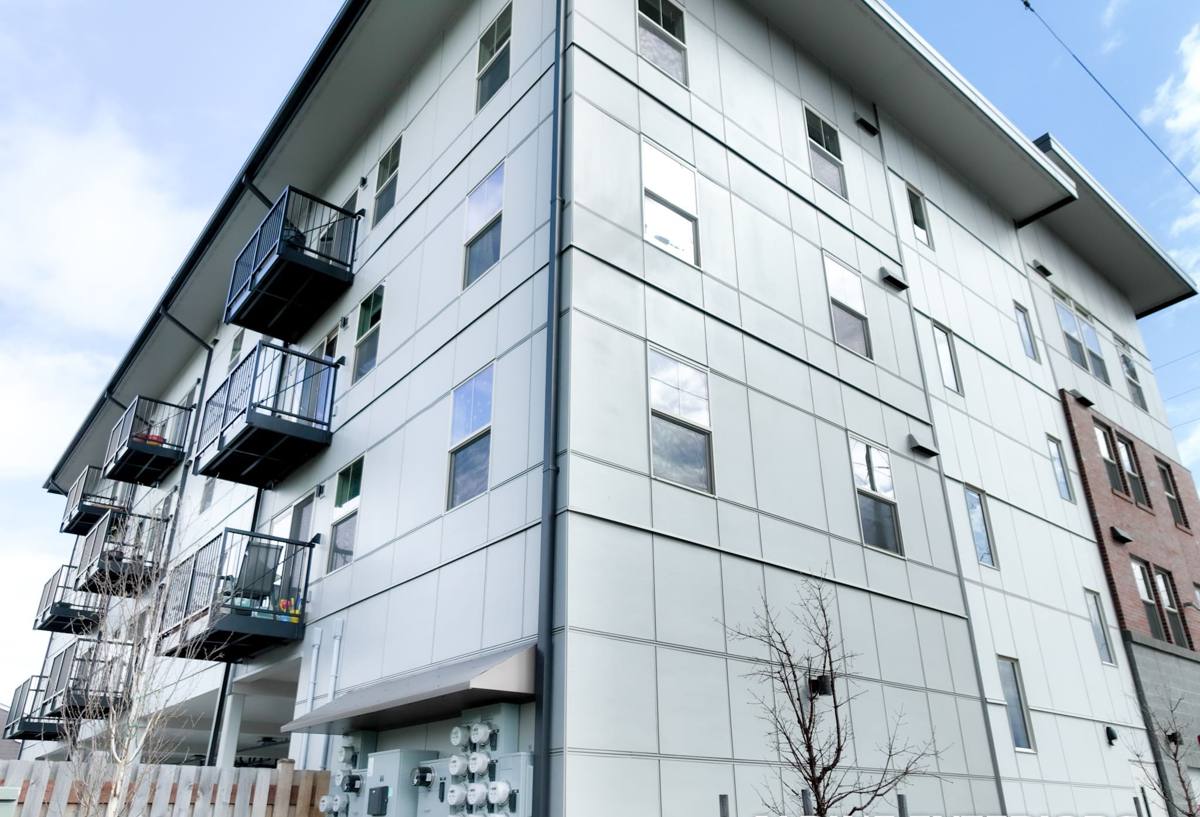
What "Correct" Actually Means for a Coastal, Historic Neighborhood
The Material Has to Be Built for This Climate
We install James Hardie fiber cement exclusively, and in a neighborhood like this the reasons aren't abstract. Hardie's HZ5 formulation is engineered specifically for humid, high-moisture climate zones like ours — it resists moisture absorption, doesn't rot, isn't a food source for pests, and is non-combustible. The ColorPlus factory-applied finish is baked on and warrantied against fading, which matters enormously here given how much direct, intense sun these walls take almost every day of the year. A field-painted product simply doesn't hold color the same way under that kind of UV load.
The Installation Has to Respect Older Framing
Fiber cement is only as good as the wall assembly behind it. On older Old Northeast homes, that means before a single new plank goes up, we're checking:
- Condition of the original sheathing and framing — rot, insect damage, or settling that has to be addressed first, not covered up
- Proper weather-resistive barrier and correct water-resistive barrier overlap, so wind-driven rain sheds outward instead of tracking behind the cladding
- Flashing at every window, door, and roof-to-wall intersection — the single most common failure point on older re-sides
- Correct fastening pattern and nailing schedule rated for high-wind zones, not a generic install
- Proper clearance at grade, decks, and porches so siding isn't wicking moisture from below
None of this is unique to Hardie as a brand — it's just what a wind- and moisture-exposed coastal climate demands from any siding installation. The difference is that Hardie's HZ5 product is designed to perform once that work is done correctly, and it holds up to inspection and warranty scrutiny in a way that field-primed wood-based products often don't.
The Look Has to Fit the Neighborhood
Old Northeast is a recognized historic district, and a lot of the character that makes it desirable comes from consistent architectural detailing — trim proportions, lap reveal widths, and color palettes that read as "period-appropriate" rather than generic. James Hardie's lap, shingle, and board-and-batten profiles, combined with a wide ColorPlus palette, give us the flexibility to match or complement that character instead of fighting it. If your property falls under any local historic design review, that's worth confirming with the neighborhood association or the city's preservation staff before work starts — we can work within those guidelines, but it's the homeowner's standing review process, not something we can waive or predict on your behalf.
Our Process on an Old Northeast Job
| Step | What Happens | Why It Matters Here |
|---|---|---|
| Site walk & wall assessment | Inspect existing siding, sheathing, trim, and any rot or moisture staining | Older homes often have hidden damage under old siding layers |
| Written scope & material selection | Confirm Hardie product line, profile, and ColorPlus color | Locks in expectations before demo starts — no surprise substitutions |
| Tear-off & substrate repair | Remove old siding, replace any compromised sheathing or framing | Salt air and humidity accelerate hidden rot; covering it over is how re-sides fail early |
| Weather barrier & flashing | Install/repair house wrap, flash all penetrations and transitions | This is the layer that actually stops wind-driven rain intrusion |
| Hardie installation | Install to manufacturer spec and high-wind fastening schedule | Improper fastening is the most common cause of premature siding failure in storm-prone areas |
| Trim, caulking & final finish | Detail work at corners, windows, and transitions | Where most of the "does this look right for the neighborhood" impression comes from |
| Walkthrough | Review the finished work with the homeowner | Nothing gets called finished until it's checked in person |
Cost Factors Specific to This Kind of Job
Every estimate is specific to the house, but on older Old Northeast homes, a few factors consistently move the number more than they would on a newer, simpler structure:
| Factor | Why It Affects Cost |
|---|---|
| Substrate condition | Hidden rot or damaged sheathing found during tear-off has to be repaired before new siding goes on |
| Architectural detailing | Historic profiles, decorative trim, and multiple wall planes take more labor than a flat, modern facade |
| Number of stories & access | Two-story sections and tight lot lines near neighboring homes add setup and safety requirements |
| Existing siding material | Some legacy materials (older wood, certain composites) require different removal and disposal handling |
| Historic district review | If applicable, may affect timeline more than cost, but can influence profile/color choices |
We'd rather walk the actual house and give you real numbers than throw out a broad range that doesn't mean much for a specific property — but as a general rule, older homes with more trim detail and any substrate repair will run higher than a straightforward flat re-side.
Why a Crew That Already Works This Neighborhood Matters
There's a real difference between a contractor who serves all of Tampa Bay and one who has repeatedly worked the streets of Old Northeast specifically. A crew that already knows this neighborhood has seen how the original construction here tends to be built, what's usually hiding under a third or fourth layer of old siding, and how the salt-air/high-UV combination this close to the water actually plays out on a wall over 10 or 15 years — not just in a manufacturer's spec sheet. That experience shows up in fewer surprises during tear-off, tighter flashing details around older window and door openings, and a finished look that fits the block instead of standing out as an obviously "new" material.
It also matters for accountability. A crew with an ongoing presence in the neighborhood has a reputation to protect on your street, not just a one-time job to close out.
Living With Hardie Siding in This Climate
One of the practical advantages of fiber cement here is how little it asks of you after installation. It won't rot from humidity, it's not a target for the pests that thrive in Florida's climate, and the factory ColorPlus finish means you're not looking at a repaint cycle every few years the way you would with field-painted materials exposed to this much sun. Routine care is simple:
- Rinse down periodically to clear salt residue and airborne debris, especially on sides facing prevailing wind off the water
- Inspect caulking at trim and penetrations annually, since caulk (not the Hardie board itself) is the component most likely to need attention over time
- After any major storm, do a visual check for impact damage or lifted panels rather than waiting for the next scheduled look
- Keep landscaping and irrigation from spraying directly onto siding for extended periods
Questions Worth Asking Before You Hire Anyone
Whether you call us or someone else, these are the questions that actually separate a good siding job from a problem waiting to happen:
- Are you a certified/preferred James Hardie installer, and can you explain the difference between HZ5 and other zone products?
- What's your specific plan for flashing and moisture management on a house of this age?
- Will you inspect and repair sheathing before installing new siding, or install over what's there?
- What does the manufacturer's warranty cover versus your own workmanship warranty, and what would void either one?
- Have you worked in this neighborhood before, and do you understand any historic district requirements that might apply?
If a contractor can't answer these clearly and specifically, that's worth noticing before you sign anything.
If you're weighing a re-side in Old Northeast, we're happy to walk the property, look at what's actually going on behind the existing siding, and put together a written, no-pressure estimate for James Hardie siding built for this exact climate. Use the form below to get started.