 St. Petersburg Siding
 Board & Batten Fits Old Northeast's Historic Character
Old Northeast is one of St. Petersburg's older residential neighborhoods, developed mostly in the early-to-mid 20th century with bungalows, Mediterranean Revival, and Colonial Revival homes set under a mature tree canopy. Board and batten — wide vertical panels with narrow strips covering the seams — was a common accent on porches, gables, and dormers on houses from exactly that era, which is why it still reads as correct on these homes today rather than looking bolted on.
Most of the calls we get in this neighborhood aren't homeowners chasing a design trend. They're restoring or matching an accent that was likely original to the house, or replacing a mismatched re-side from decades past with something that actually belongs on a home with this much architectural character. That context changes what "doing the job right" means: it's not a production-house install where nobody looks twice. It's siding going up next to original wood trim, masonry, or roofline details that have to look intentional beside it.
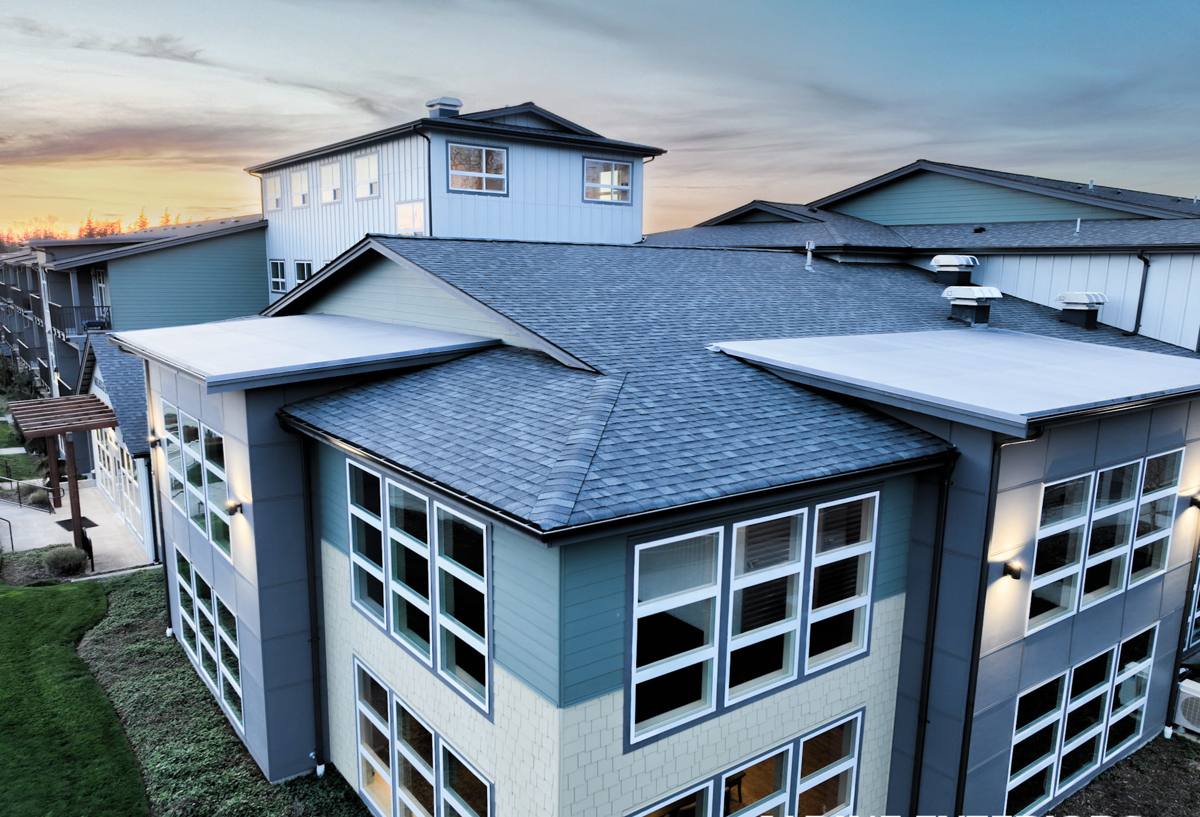
What St. Petersburg's Climate Does to Board & Batten
St. Petersburg sits on a peninsula between Tampa Bay and the Gulf of Mexico, and that geography is hard on every exterior material in Pinellas County — board and batten included, and arguably more than flat lap siding because the profile has more seams and more exposed fastener lines.
Salt Air and Fastener Corrosion
Salt-laden air moving in off the water accelerates corrosion on anything metal. Board and batten uses more visible fasteners than lap siding because the battens themselves get nailed through into the substrate. If those fasteners aren't corrosion-resistant and properly set, you get rust streaking and eventual fastener failure well before the siding itself is due for attention.
Year-Round UV and Color Fade
Florida sun doesn't take an off-season. Vertical board and batten panels catch low-angle sun differently than horizontal lap siding, and paint film that isn't factory-cured tends to chalk and fade unevenly on this profile, especially on south- and west-facing elevations.
Wind-Driven Rain at the Seams
Board and batten has more joints per square foot than lap siding — every batten covers a seam between two panels. During wind-driven rain, water gets pushed sideways and upward, not just down. If those seams and the drainage plane behind them aren't detailed correctly, water finds its way behind the panels long before it shows up as a visible problem.
Hurricane Wind Exposure
St. Petersburg's building code reflects its wind exposure, and board and batten panels present real surface area to uplift and lateral wind loads. The fastening schedule — not just the fastener type, but spacing and placement — is what keeps panels attached in a storm, not the caulking.
Why the Material Choice Matters More on This Profile
Because board and batten has more seams and more exposed edges than lap siding, the material behind the finish matters more here, not less. This is the profile where a material's weak points get found fastest.
We install James Hardie fiber cement exclusively for board and batten work, using either HardiePanel vertical siding with matching battens or the Artisan Collection where a more refined, traditional reveal suits the house. Both are engineered in Hardie's HZ5 line for the Gulf Coast — built to hold up to humidity swings, wind-driven rain, and the freeze-thaw isn't the issue here, moisture cycling is. The panels don't swell or rot at cut edges the way engineered wood products can if a cut edge isn't sealed and stays sealed for the life of the siding. The ColorPlus finish is baked on at the factory rather than field-applied, which matters directly for the UV fade problem above.
We don't install vinyl or engineered-wood board and batten. Vinyl expands and contracts more than fiber cement in Florida's heat, which shows up as visible waviness on a profile that's supposed to read as crisp, straight vertical lines. Engineered wood products are more sensitive to sustained moisture exposure at cut edges and butt joints — a real risk on a profile with this many joints, in a climate with this much wind-driven rain. Fiber cement isn't cheaper up front, but it's the product we're willing to warranty on this specific siding style in this specific climate.
What a Correct Installation Involves
The visible part of board and batten — the panel-and-strip look — is the easy part to get right. The parts that determine whether it survives its first decade in Pinellas County happen underneath.
| Detail | Done correctly | Common shortcut |
|---|---|---|
| Drainage plane | Weather-resistive barrier plus a furring/rainscreen gap so any moisture that gets behind the panel can drain and dry | Panels nailed straight to sheathing with no gap, trapping moisture |
| Fasteners | Corrosion-resistant fasteners at manufacturer-specified spacing and embedment | Standard fasteners, inconsistent spacing |
| Panel gaps | Manufacturer-specified expansion gaps at joints and trim, sealed per spec | Panels butted tight with no gap allowance |
| Flashing | Proper head flashing at windows, doors, and any horizontal trim break | Caulk used in place of flashing |
| Existing sheathing | Inspected once old siding is off, repaired before new siding goes up | New siding installed directly over compromised sheathing |
On a lot of Old Northeast homes, that last row matters more than people expect. If the house has been re-sided once or twice already, or if the original siding is coming off, that's the one chance to actually look at what's underneath before it gets covered again for another twenty-plus years.
Cost Factors Specific to Old Northeast Homes
Board and batten pricing on paper doesn't account for what actually drives cost on a specific job. In this neighborhood, the variables tend to be the same handful every time.
| Factor | Why it matters here |
|---|---|
| Scope: accent vs. full elevation | Many jobs here are a gable, dormer, or porch accent rather than a full re-side — smaller scope, but more precise trim work |
| Tear-off condition | Older homes may have multiple layers or original wood siding underneath that adds removal and disposal time |
| Site access | Mature landscaping and tighter side yards common on older lots can slow staging and material handling |
| Trim and architectural detail | Matching existing corner boards, window trim, or fascia adds labor beyond the panel install itself |
| Sheathing repair | Any rot or damage found once old siding comes off is priced separately, since it can't be estimated sight-unseen |
Our Process
- On-site assessment — we look at the existing siding, trim, and as much of the wall assembly as we can see before quoting
- Product and finish selection — panel size, batten spacing, and ColorPlus color, matched to the house's existing trim and roofline where relevant
- Permitting through the City of St. Petersburg where required
- Tear-off and sheathing inspection, with any needed repair addressed before new siding goes up
- Installation to manufacturer spec — drainage plane, fastening schedule, flashing, and expansion gaps
- Final walk-through and warranty registration
Why a Crew That Already Works Old Northeast Matters
A crew that hasn't worked this neighborhood before is guessing at things a local crew already knows: how the city's permitting process runs, what wind-zone fastening requirements apply to a home this close to the water, and how to stage a job on a lot with mature trees and a narrower footprint than newer construction. None of that is exotic knowledge, but it's the difference between a smooth install and one with avoidable delays or a fastening schedule that doesn't hold up in the next named storm.
It also matters for the parts of the job that aren't purely technical. Matching a batten reveal to an existing porch detail, or picking a ColorPlus shade that reads right next to original trim, is easier for a crew that's looked at a dozen houses like this one than for a crew seeing an Old Northeast bungalow for the first time.
Maintenance Checklist for Board & Batten in Coastal Pinellas
Correctly installed Hardie board and batten is low-maintenance, not no-maintenance. In this climate, a short annual check catches small issues before they become expensive ones.
- Rinse salt residue off the siding a few times a year, especially on elevations facing the water or open exposure
- Walk the perimeter after major storms and check for loose battens, displaced panels, or gaps at trim
- Look at caulking around windows, doors, and penetrations annually — not at panel joints, which shouldn't be caulked in a correct install
- Watch for rust streaking at fasteners, which signals a fastener issue worth addressing early
- Keep landscaping trimmed back from the siding to maintain airflow and reduce trapped moisture
- Repaint or refinish only if the ColorPlus finish is genuinely failing — premature repainting can void warranty coverage
If you're weighing board and batten for a gable, an accent, or a full re-side on an Old Northeast home, we're happy to take a look and give you a straightforward, no-pressure estimate — just fill out the form below.