 St. Petersburg Siding
 Siding Built for a Waterfront Community
Gulfport sits right on Boca Ciega Bay, and that waterfront position is exactly what makes the neighborhood feel the way it does — walkable, low-key, full of older Florida bungalows and cottage-style homes with real character. It's also what makes the exterior of those homes work harder than a house ten miles inland. Salt-laden air off the bay, near-constant humidity, intense UV exposure almost every day of the year, and the real chance of hurricane-force wind and wind-driven rain during storm season all land on Gulfport's housing stock in a way that's more concentrated than in less exposed parts of Pinellas County.
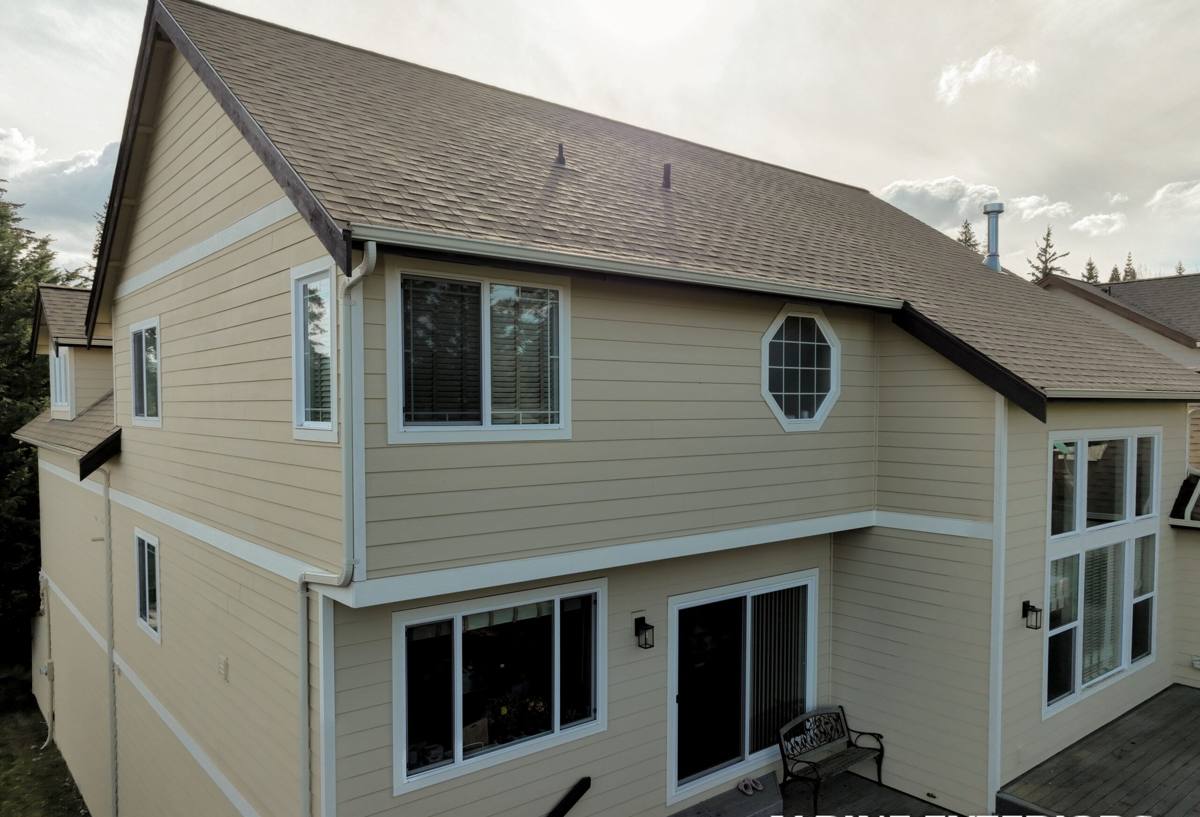
We install James Hardie fiber cement siding exclusively — no vinyl, no LP SmartSide, no primed wood, no Cemplank or Allura alternatives. For a community like Gulfport, where a lot of the homes are older, close to the water, and worth protecting properly rather than patching, that standard matters more than it might somewhere less exposed. This page covers what a correct James Hardie installation looks like for a Gulfport home specifically, and why the climate here changes some of the decisions that go into it.
Why Gulfport's Location Changes the Math
Salt Air and Corrosion
Proximity to Boca Ciega Bay means airborne salt is a constant, low-level presence on every exterior surface in Gulfport, not just the homes directly on the water. Salt accelerates the breakdown of a lot of building materials — it pits and corrodes metal fasteners and trim, and it degrades certain paint films and coatings faster than inland exposure would. Fiber cement itself is not vulnerable to salt corrosion the way wood or untreated metal can be, but the fastener system, flashing, and trim details around it absolutely are, which is why those details deserve as much attention as the siding boards themselves.
Wind and Storm Exposure
Gulfport, like the rest of the Pinellas County coastline, sits in a hurricane-prone region where wind-driven rain is a bigger threat to a home's exterior than the wind itself in a lot of storms. Water doesn't need a hurricane to find a gap — a sustained afternoon squall with 40-50 mph gusts pushes rain sideways and upward under lapped siding that isn't installed with the right clearances and flashing. A siding system that's rated for wind but installed loosely on the water-management details will still fail where it counts.
Year-Round UV
Florida's UV load doesn't take a season off the way it does farther north. Siding on a Gulfport home is under near-daily direct sun exposure for most of the year, which is hard on any coating or finish that isn't engineered specifically for it. Faded, chalking, or peeling siding on this stretch of coast is often a finish problem more than a material problem — the substrate is fine, but whatever was put on top of it wasn't built for this much sun.
What This Means for Product Selection
James Hardie makes climate-specific product lines, and for a Gulf Coast Florida install, that's not a marketing detail — it's the actual specification. HZ5 boards are engineered for high-humidity, hot, and hurricane-exposed regions like the Tampa Bay area, with a formulation and finish system built to hold up under the exact combination of moisture, heat, and UV that Gulfport sees. Installing the wrong regional product line, or installing HZ5 boards without following the fastener, clearance, and caulking specs the climate requires, gives up a lot of the protection the product is designed to provide.
ColorPlus factory-applied finishes matter more here than in milder climates for the same UV reasons. A factory-cured finish, baked on under controlled conditions, holds color and resists chalking far better over time than a field-applied paint job exposed to Florida sun during cure. For a Gulfport home, that finish difference plays out as years of extra service life before a repaint is even a conversation.
What a Correct Installation Involves
A James Hardie install that's actually built for this location isn't just nailing boards to a wall. The details that separate a system that performs for decades from one that fails early are mostly invisible once the job is done:
- Proper weather-resistive barrier and drainage plane behind the siding, so any moisture that does get past the cladding has somewhere to go
- Correct fastener type, spacing, and embedment depth — over-driven or under-driven nails are one of the most common causes of early siding failure
- Flashing at every horizontal joint, window, door, and penetration, installed to shed water outward rather than trap it
- Manufacturer-specified clearances at the bottom of the wall, roofline, and grade, to keep the board out of standing water and splash-back
- Caulking only where Hardie's install guide calls for it — not everywhere, since over-caulking can trap moisture instead of keeping it out
- HZ5-appropriate product selection and finish for this specific climate zone
Skipping or rushing any one of these doesn't usually show up as a problem in year one. It shows up in year five or six, as staining, soft spots, or paint failure at the exact points where the shortcut was taken — which is a hard, expensive fix compared to doing it right the first time.
Our Process for a Gulfport Home
Assessment
We start by walking the exterior and evaluating the existing siding, sheathing, and water-management details — not just the surface condition, but what's happening behind it. On older Gulfport homes especially, this step often turns up moisture or substrate issues that need to be addressed before new siding goes on, not covered up underneath it.
Product and Color Selection
We spec HZ5 James Hardie boards and ColorPlus finishes suited to this climate, and work through product line and color choices with the homeowner — factoring in the home's architectural style, which in Gulfport often leans toward bungalow and cottage forms where trim detail and proportion matter as much as the field color.
Installation
Installation follows Hardie's published specifications for the HZ5 climate zone: correct fastening, flashing, clearances, and sealing at every transition. We don't treat the install guide as a suggestion — it's the difference between a warranty that actually applies and one that doesn't.
Final Walkthrough
We walk the finished job with the homeowner, checking trim lines, caulking, and finish consistency before calling it complete.
Cost Factors for a Gulfport Project
Every home is different, but the factors that move the price on a Gulfport James Hardie project tend to be the same handful of variables. This isn't a quote — it's a guide to what drives one.
| Factor | Why It Matters Here |
|---|---|
| Existing substrate condition | Older Gulfport homes near the water sometimes need sheathing or framing repair before new siding goes on |
| Home style and trim detail | Bungalow and cottage architecture often has more trim, corners, and transitions than a simple rectangular footprint |
| Product line (HZ5 lap, plank, or panel) | Different Hardie profiles and textures carry different material costs |
| Access and site conditions | Tight lots and mature landscaping common in older Gulfport neighborhoods can affect labor and staging |
| Scope of water-management upgrades | Bringing flashing and drainage details up to current standards adds labor but is not optional for a correct install |
Why Local Experience Matters for This Job
A crew that already works in Gulfport and the surrounding St. Petersburg area knows what this specific stretch of coastline does to a home over time, because they've seen it firsthand on other jobs nearby — not from a training manual written for a different climate. That means knowing which flashing details actually hold up against wind-driven rain off the bay, which fastener specs make sense for a high-salt environment, and how to sequence a job around Florida's storm season instead of getting caught mid-install. It also means being available afterward — for warranty questions, for a follow-up look after a bad storm, or just for straight answers about how the siding is holding up.
Why We Only Install James Hardie
We don't install vinyl, LP SmartSide, primed wood, or other fiber cement alternatives, and Gulfport's exposure is part of why. Vinyl softens and warps under sustained heat and can become brittle over time; wood products need consistent maintenance to fend off the moisture and pest pressure that coastal Florida humidity creates; other fiber cement brands don't carry the same track record, climate-specific engineering, or factory finish warranty that James Hardie's HZ5 line does for this exact region. For a home exposed to bay salt air, hurricane wind, and year-round UV, we've standardized on the product built to take it — and we install it to the standard that lets it actually perform that way.
If you're planning a siding project in Gulfport, we're happy to walk your home, look at what's actually going on with the current exterior, and put together a straightforward estimate — no pressure, no upsell. The form below gets you started.