 St. Petersburg Siding
 Storm Damage Roof Repair for Historic Old Southeast
Historic Old Southeast is one of St. Petersburg's older residential neighborhoods, and that history shows up on the roofs as much as it does on the front porches. Many homes here were built decades before current Florida Building Code wind requirements existed, which means the roof deck, the attachment method, and sometimes the framing itself weren't engineered for the wind loads a modern Pinellas County storm can produce. When a named storm, a strong summer thunderstorm cell, or a stretch of straight-line wind moves through, these older roofs take the damage first and show it the least — until a slow leak turns into a ceiling stain months later.
We work storm damage repairs in this neighborhood regularly, which matters more than it sounds like it should. A roof here isn't just "a roof" — it's a specific mix of age, pitch, ventilation style, and prior repair history that's common in this part of St. Petersburg but different from what you'd find in a newer subdivision. This page covers what storm damage repair actually should look like for a home in Historic Old Southeast, not a generic version of the service.
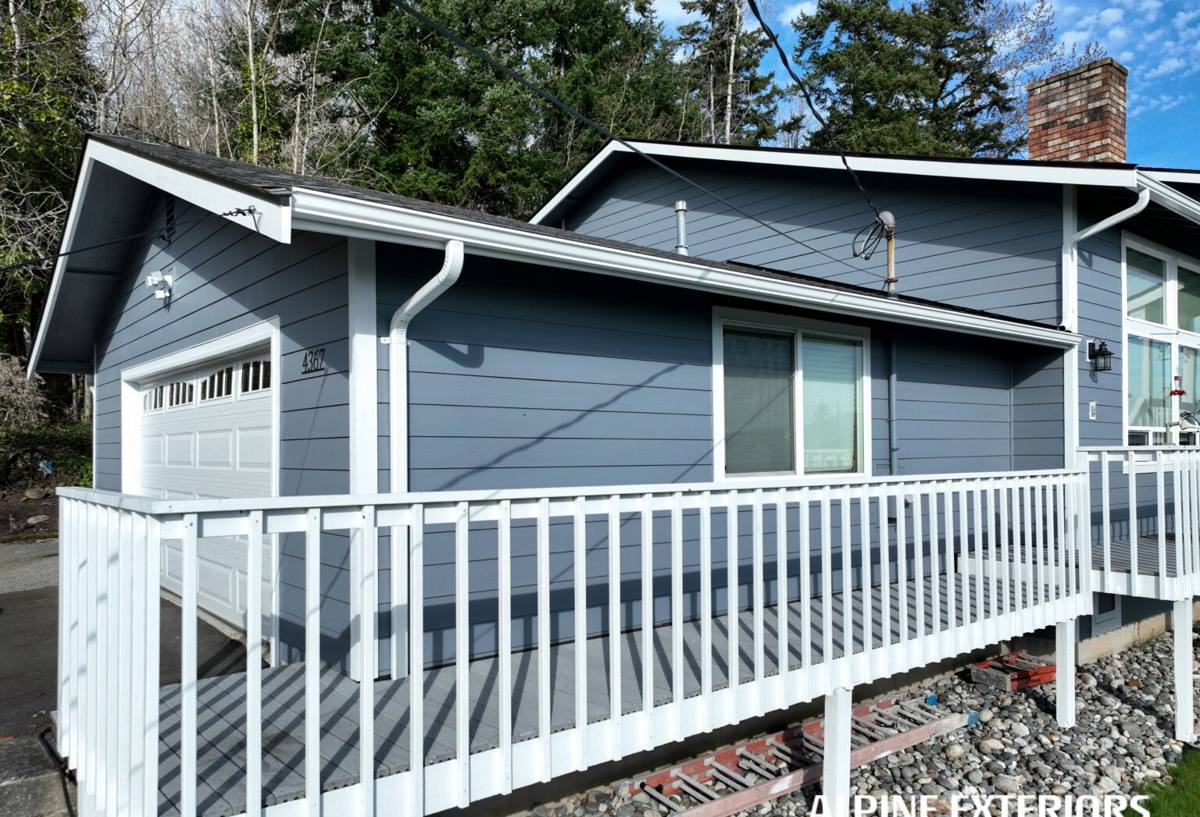
What Coastal St. Petersburg Weather Does to a Roof
Hurricane and Tropical Storm Wind
Pinellas County sits on a peninsula, and Old Southeast's proximity to the water means wind gusts arrive with less obstruction than they would further inland. Sustained hurricane-force or tropical-storm-force wind lifts shingle tabs, works fasteners loose, and finds any edge, ridge, or valley that wasn't properly sealed. Once wind gets under one shingle, it peels the next one, and the damage spreads fast.
Wind-Driven Rain
Straight-down rain and wind-driven rain behave completely differently on a roof. Wind-driven rain gets pushed sideways and upward under shingle edges, around vents, and through nail holes that would never leak in a calm storm. This is the single biggest reason storm-related leaks show up in rooms nowhere near where the visible shingle damage is.
Year-Round UV and Heat
Florida sun is intense nearly twelve months a year. UV exposure dries out asphalt shingles, cracks sealant strips, and breaks down underlayment faster than the same materials would age in a milder climate. A roof that's already UV-brittle has far less flexibility to absorb wind stress without cracking or tearing.
Salt Air
Old Southeast isn't right on the beach, but it's close enough to open water that salt-laden air still reaches it, especially with onshore wind. Salt accelerates corrosion on exposed metal — flashing, fasteners, drip edge, vent stacks — which is often the actual point of failure during a storm, even when the shingles themselves look fine.
Common Roof Types in Historic Old Southeast and Their Storm Vulnerabilities
Older neighborhoods rarely have one roof type. Here's what we typically encounter and where each one tends to fail in a storm:
| Roof Type | Typical Age Here | Where Storms Hit Hardest | Repair Consideration |
|---|---|---|---|
| Asphalt shingle (3-tab or architectural) | Original or one to two re-roofs | Tab lift at eaves and rakes, exposed fastener backout | Match existing profile; check deck for prior nail holes and soft spots |
| Standing seam or exposed-fastener metal | Often a later retrofit over original decking | Panel seams, ridge caps, fastener washers | Corrosion at fastener heads is common near the water; reseal vs. panel replacement judgment call |
| Barrel or flat concrete tile | Original on some bungalow and Mediterranean-style homes | Cracked or slipped tile, underlayment failure beneath intact-looking tile | Tile itself often survives; the underlayment underneath usually doesn't |
| Low-slope / flat sections (additions, porches) | Varies, common on rear additions | Ponding, membrane seam separation, wind uplift at edges | Different repair system entirely from the main roof; needs its own inspection |
Signs Your Roof Has Storm Damage
Not all storm damage is obvious from the ground. After any significant wind or rain event, it's worth checking for:
- Missing, curled, or lifted shingle tabs, especially along roof edges and ridges
- Granules collecting in gutters or at downspout outlets
- Bent, missing, or lifted flashing around chimneys, vents, and roof-to-wall transitions
- New ceiling stains, especially ones that appear a few days after a storm rather than during it
- Soft or spongy spots when walking the attic (if it's safe to check)
- Cracked or displaced tiles, or gaps where tile no longer sits flush
- Debris punctures — even a small branch strike can compromise underlayment
- Visible daylight through the roof deck from inside the attic
What a Correct Storm Damage Repair Actually Involves
Inspection and Documentation
A proper repair starts with a full inspection, not just a look at the obviously damaged section. Wind damage is frequently worse a few feet from where it's visible, and an incomplete inspection means a second leak shows up after the first "fix." We document what we find with photos before any work starts — useful both for our own repair plan and for any insurance claim you may file.
Emergency Mitigation
If there's active water intrusion, the first job is stopping it — proper tarping or temporary sealing that actually holds in wind, not a quick patch that fails in the next gust. Getting this step right prevents a roof problem from turning into an interior drywall, insulation, and mold problem.
Repair vs. Replace Decision
Not every storm-damaged roof needs full replacement, and not every repair is worth doing instead of replacing. We look at the age of the roofing material, the condition of the underlayment and deck, how much of the roof is affected, and whether the existing material is even still manufactured to match. We'll tell you honestly which side of that line your roof falls on.
Historic District and Code Considerations
Because Historic Old Southeast includes homes recognized for their architectural character, roof repairs sometimes need to account for visible materials and profiles, not just function. Any permitted work also has to meet current Florida Building Code wind provisions, which in some cases means bringing an older attachment method up to current standard even for a repair, not a full replacement. We handle that permitting and code coordination as part of the job rather than leaving it for you to sort out.
Our Process, Start to Finish
- Initial call or estimate request — we ask what happened and when, and how urgent the leak situation is
- On-site inspection, including attic and interior check where accessible, with photo documentation
- Written scope of repair, in plain language, with the material and labor reasoning behind it
- Emergency tarping or mitigation first, if there's active water intrusion
- Scheduled repair work, matched to your existing roofing material and profile wherever possible
- Final walkthrough and photos of completed work for your records or your insurer
Storm Damage Repair and Insurance Claims
Most storm damage repairs in this area involve an insurance claim at some point. We're not a public adjuster and we don't handle your claim for you, but we can provide the documentation — photos, scope of damage, and repair estimate — that your adjuster will need to evaluate the claim. Homeowners who call promptly after a storm, before further weather makes the damage worse or muddies the timeline, generally have an easier time getting a fair claim outcome. Waiting on an obvious leak rarely helps your case and often makes the repair itself more expensive.
Cost Factors Worth Understanding
| Factor | Why It Matters |
|---|---|
| Extent of area affected | A localized wind-lift repair costs far less than a section needing full re-decking |
| Roofing material | Matching existing tile or discontinued shingle profiles can add cost and lead time |
| Underlayment and deck condition | Damage often extends beyond what's visible from the surface once opened up |
| Access and roof pitch | Steeper or harder-to-access sections take more labor time |
| Timing after the storm | Delayed repairs risk secondary damage that widens the scope of work |
Why Local Storm Damage Experience Matters Here
Storm repair work draws contractors from outside the area after any major event — crews who show up, do a quick patch, and are gone before problems surface. A crew that already works in St. Petersburg and Pinellas County day to day has a reason to get it right the first time and to be reachable afterward if something needs a follow-up look. We're also familiar with the age and construction patterns typical of Historic Old Southeast homes specifically, which shortens the inspection process and avoids surprises once we're actually on the roof.
Salt air, UV exposure, and wind aren't going away, and a roof in this part of St. Petersburg will always be doing more work than the same roof would inland. A repair that respects that — proper flashing, correctly matched materials, attention to the deck underneath, not just the shingles on top — holds up through the next storm instead of just the next inspection.
If you've got storm damage, suspected storm damage, or just want an honest opinion on a roof's condition before the next season, we're glad to take a look. Request a free, no-pressure estimate using the form below.