 St. Petersburg Siding
 Roof Repair Built for Old Southeast's Older Homes
Old Southeast is one of St. Petersburg's established historic neighborhoods, with a housing stock that skews older than most of Pinellas County — bungalows, early ranch homes, and mid-century construction sitting under mature tree canopy just a short distance from open water. That combination is great for curb appeal and terrible for a roof. Older framing, decades of re-roofs layered on the same deck, and tree cover that keeps things shaded and damp all change what a "simple roof repair" actually requires here compared to a newer subdivision roof a few miles inland.
We repair roofs in Old Southeast on a regular basis, and the pattern is consistent: the roof itself may be sound, but a specific area — a valley, a chimney flashing, a section near old tree damage — has failed and is letting water into a house that was never built with modern moisture barriers. Fixing that correctly means understanding the whole roof assembly, not just patching the visible symptom.
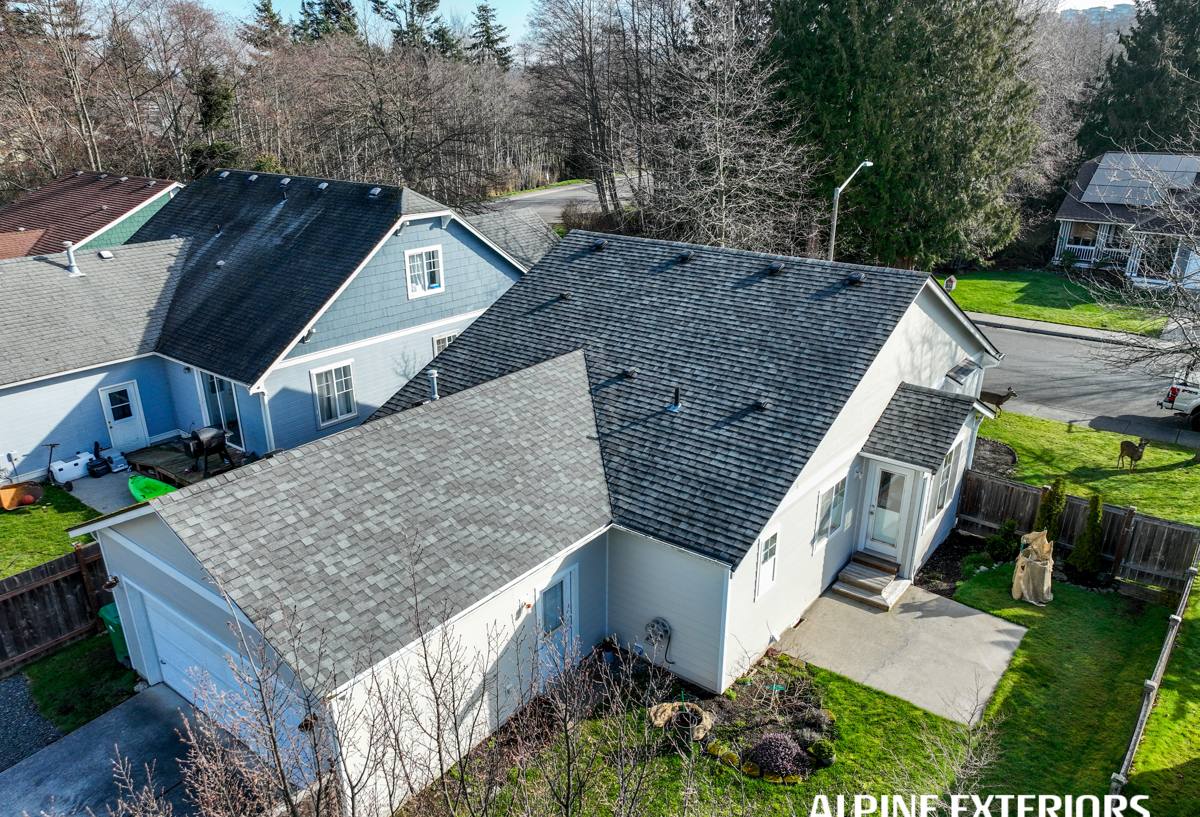
What St. Petersburg's Climate Does to a Roof
Every roof in Pinellas County deals with the same basic stressors, but Old Southeast's proximity to the bay and its older materials make the damage show up faster and in different ways.
Hurricane and tropical-storm wind
Straight-line gusts and named storms lift shingle tabs, work flashing loose, and drive debris — often from the neighborhood's own tree canopy — into the roof surface. On older homes, deck fasteners and flashing were often installed to a lower wind standard than current code, so wind damage tends to concentrate at the same weak points storm after storm unless those points are actually upgraded during repair, not just patched.
Wind-driven rain
St. Petersburg storms rarely fall straight down. Wind pushes rain sideways and upward under shingle edges, around chimneys, and into valleys that were cut and flashed decades ago. A repair that only replaces the top layer of shingles without addressing the underlayment and flashing beneath it will look fine and still leak in the next sideways rain event.
Year-round, high-intensity UV
Florida sun ages roofing materials faster than almost anywhere else in the country. Asphalt shingles lose their oils and granules, sealant strips dry out and stop bonding, and any exposed caulk or mastic used in a prior repair becomes brittle within a few years. On a roof that's already 15-25 years old, UV damage is usually the reason a repair is needed at all, even without a storm event.
Salt air
Old Southeast sits close enough to Tampa Bay that salt-laden air is a constant, low-level factor. It accelerates corrosion on exposed fasteners, drip edge, flashing, and any metal roofing components. A repair that reuses corroded fasteners or unrated flashing metal is a repair that will need to be redone sooner than it should.
What a Correct Roof Repair Actually Involves
A roof repair is more than swapping out damaged shingles. On the kind of older, layered roofs common in Old Southeast, doing it right means checking everything a leak or wind event could have affected, not just the spot where water showed up inside the house.
- Inspecting the roof deck itself for soft spots, rot, or delamination once the damaged surface material is pulled back
- Checking underlayment condition in the repair area, not assuming it's still intact just because the shingles were
- Replacing flashing at penetrations, valleys, and walls with corrosion-resistant material rather than re-sealing old flashing with caulk
- Matching shingle type, weight, and color as closely as possible so the repair doesn't stand out as a patch
- Verifying fastener pattern and nailing meets current wind-resistance practice, especially in a hurricane-prone county
- Checking adjacent areas — the next valley over, the opposite side of a chimney — for damage that hasn't leaked yet but will
Skipping any of these steps is how a homeowner ends up paying for the same "repair" twice within a few years.
Common Repair Situations We See in Old Southeast
Storm and wind damage
Lifted or missing shingles, creased tabs, and torn ridge caps after a tropical system or strong summer storm. Often concentrated on one roof slope facing the prevailing wind direction.
Tree-related damage
Mature tree canopy is part of what makes Old Southeast attractive, but overhanging limbs mean more debris impact, more granule loss from constant shading and moisture, and occasionally a limb strike that punctures the deck.
Flashing failure around chimneys and walls
Common on older homes where original flashing has corroded or was resealed with caulk over the years instead of properly replaced. This is one of the most frequent sources of interior leaks we're called out for.
Valley leaks
Valleys handle more water volume than any other part of the roof. On an aging roof, worn valley material combined with wind-driven rain is a common failure point, especially during heavier summer storms.
Age-related wear on a roof that isn't ready for full replacement
Not every roof showing its age needs to come off. Many Old Southeast roofs have years of useful life left once specific trouble spots are properly addressed.
Repair vs. Replacement: How We Help You Decide
We won't sell a full roof replacement when a targeted repair will genuinely hold up, and we won't recommend patching a roof that's past the point where repair makes financial sense. The table below outlines the general factors that push the decision one way or the other.
| Factor | Favors Repair | Favors Replacement |
|---|---|---|
| Roof age | Under 15-18 years, single layer | Approaching or past manufacturer life expectancy |
| Damage location | Isolated to one area or slope | Spread across multiple sections |
| Deck condition | Solid, no rot found in repair area | Soft spots or rot found during inspection |
| Shingle condition elsewhere | Still flexible, granules intact | Widespread granule loss, brittle shingles |
| Storm history | First significant damage event | Repeated repairs to the same areas over time |
| Prior repairs | None or well-executed | Multiple past patch jobs, especially with caulk/mastic over flashing |
We give you a straight answer based on what we actually find on your roof — not a default recommendation.
Our Roof Repair Process
- On-site inspection. We look at the reported problem area and the rest of the roof, since a single leak point often has a related cause elsewhere.
- Clear explanation of findings. You'll know what's actually wrong, what caused it, and what your realistic options are — repair, and if relevant, why replacement might be worth discussing.
- Written estimate. No verbal-only pricing. You see the scope of work before anything starts.
- Repair work. Deck check, underlayment and flashing replacement where needed, matched shingle installation, and proper fastening for our wind exposure.
- Final walk-through. We show you the completed repair area and confirm the fix addresses the root cause, not just the symptom.
Why It Matters to Hire a Crew That Knows Old Southeast
A roofing crew that works Pinellas County's coastal, hurricane-exposed climate every day recognizes the difference between a shingle that's just dirty and one that's lost its wind rating. They know which flashing failures are typical on homes of a certain age and construction style, and they don't need to relearn local wind and moisture patterns on your roof.
Working regularly in a specific neighborhood also means understanding the practical realities of the area — mature trees that limit access, older roof lines and pitches, and the kind of layered repair history that's common on homes that have been maintained by different contractors over the years. That local familiarity shortens the diagnostic process and reduces the odds of a repair missing something that shows up as a leak six months later.
A Few Things Worth Checking Before You Call Anyone
- Are there visible missing, curled, or cracked shingles from the ground, especially after a storm?
- Any staining on ceilings or in the attic, even faint or old-looking?
- Daylight visible through the roof deck from inside the attic?
- Granules collecting in gutters or at downspout outlets?
- Soft or spongy feel anywhere if you walk the roof (or ask your contractor to check)?
- Flashing around chimneys or walls that looks rusted, lifted, or heavily caulked?
Any one of these is worth a professional look before it turns into a bigger interior repair.
If you're dealing with a leak, storm damage, or a roof that's just showing its age in Old Southeast, we're happy to take a look and give you an honest, no-pressure assessment. Use the form below to request a free estimate.