 St. Petersburg Siding
 Metal Roofing in a Neighborhood Built Before Modern Roofing Codes
Old Southeast is one of St. Petersburg's older residential pockets, with a mix of early-to-mid 20th century bungalows, Mediterranean revival homes, and post-war construction sitting on narrow lots under mature tree canopy. Roofs on homes this age were framed and detailed for a different era of building science — different attic ventilation assumptions, different flashing practices, and, in many cases, roof decking and rafters that have already carried two or three roofing generations. When we look at a metal roofing project in this neighborhood, we're not just picking a panel and installing it. We're evaluating an older structure, matching a roof profile to a historic streetscape, and building in the wind and water performance that Pinellas County's coastal climate demands.
This page is about that specific job: metal roofing on Old Southeast homes, done in a way that respects the house's age and the neighborhood's character while meeting the real physical demands of living two miles from Tampa Bay.
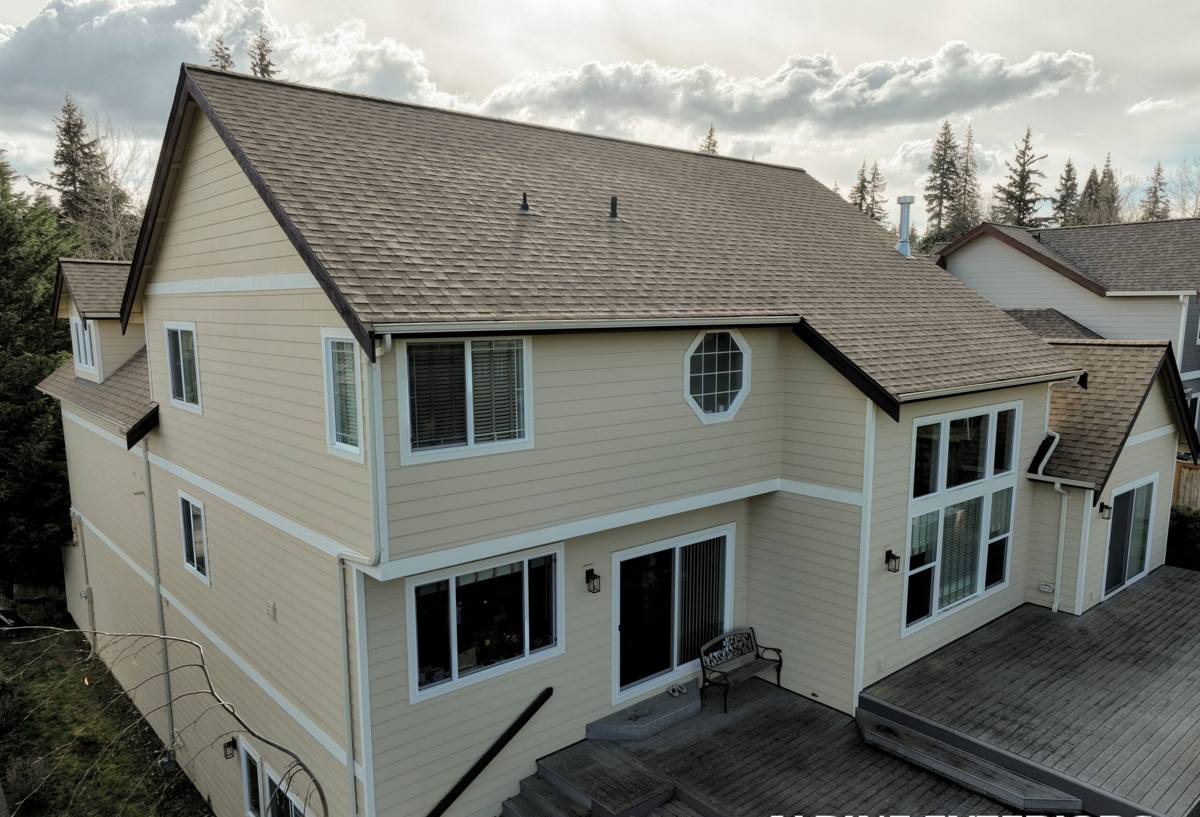
What St. Petersburg's Climate Actually Does to a Roof
Every roofing material sold in this market claims to handle Florida weather. Few installers explain what that weather actually does to a roof system over twenty or thirty years. In St. Petersburg, four forces matter most:
Hurricane-Force Wind Uplift
Wind doesn't just push down on a roof — it creates uplift at the edges, ridges, and corners that tries to peel material off the deck. Older homes in Old Southeast were often re-roofed at various points with fastening patterns and edge details that met the code of that decade, not current wind-uplift standards. A metal roof's wind performance is only as good as its fastening schedule, panel-to-panel seaming, and perimeter attachment — not the material alone.
Intense, Year-Round UV Exposure
Florida's sun load is relentless and doesn't take a winter break. UV breaks down coatings, dries out sealants, and accelerates the aging of anything with an organic component — asphalt, some rubberized underlayments, certain paint systems. Metal panels with a quality baked-on finish resist this far better than most materials, but the finish quality and warranty structure vary a lot between products.
Wind-Driven Rain
A storm doesn't just drop rain straight down here — it drives it sideways and up under laps, fasteners, and flashing details that would never see water in a calmer climate. This is why underlayment selection and flashing detail at valleys, walls, and penetrations matter as much as the panel itself.
Salt Air Corrosion
Old Southeast's proximity to Tampa Bay means the air carries salt that accelerates corrosion on unprotected metal — fasteners, flashing, and lower-grade panel coatings especially. This is a real, ongoing factor for any metal roof near the water, not a one-time installation concern.
Why Metal Roofing Suits This Neighborhood's Older Homes
Metal roofing isn't automatically the right answer for every historic-adjacent home, but there are specific reasons it fits well in Old Southeast:
- Weight. Standing seam and metal shingle systems are lighter per square than tile and often lighter than multiple layers of old asphalt shingles, which matters on older rafter framing that wasn't engineered for heavy loads.
- Wind performance. A correctly installed standing seam system, mechanically seamed and properly fastened, is among the strongest roofing options against uplift — relevant given Pinellas County's hurricane exposure.
- Longevity that matches the house. A well-installed metal roof can outlast two or three asphalt re-roofs, which reduces the number of times a homeowner has to disturb an older structure, its soffits, and its trim over the decades ahead.
- Profile options that respect older rooflines. Standing seam panels and metal shingle profiles can be run to complement the low-slope porches, dormers, and hip roofs common on bungalow and Mediterranean-influenced homes, rather than fighting the original roofline.
Comparing Metal Roofing Systems for an Older Home
Not all metal roofing is the same product wearing different clothes. The fastening method, panel gauge, and coating system all affect how the roof performs against wind, sun, and salt over time.
| System | Fastening | Typical Lifespan | Fit for Old Southeast Homes |
|---|---|---|---|
| Standing seam (concealed fastener) | Hidden clips, panel-to-panel seam | 40-60+ years with proper install | Strong wind performance, clean historic-compatible lines, higher upfront cost |
| Exposed-fastener metal panel | Screws through panel face | 25-35 years | Lower cost, but fasteners are a long-term maintenance point in salt air |
| Metal shingle / shake profile | Interlocking panels, concealed fastener | 35-50 years | Mimics traditional shingle or shake look — useful where a period appearance matters |
For most Old Southeast homes, we lean toward standing seam or a quality metal shingle profile specifically because the concealed fastening keeps exposed metal-to-metal contact points to a minimum — fewer points for salt air to attack over the decades.
What Cost Actually Depends On
Homeowners in this neighborhood ask for a number before they ask about panel type, which is understandable — but the honest answer is that cost on an older home swings on a handful of specific factors, not just square footage.
| Factor | Why It Moves the Price |
|---|---|
| Roof complexity | Dormers, multiple hips/valleys, and porch roofs common on older homes add labor and flashing detail versus a simple gable |
| Deck condition | Older decking often needs partial or full replacement once the existing roofing is stripped — this isn't always visible until tear-off |
| Panel gauge and coating | Heavier gauge steel and better coating systems cost more upfront and generally pay it back in corrosion resistance near the bay |
| Fastening system | Concealed-fastener standing seam costs more installed than exposed-fastener panel, largely due to labor and clip hardware |
| Access and site conditions | Narrow lots, mature trees, and tight setbacks common in this neighborhood affect staging and crew time |
We give a real number after we've actually looked at the roof and the attic — not before. Ballpark ranges without an inspection tend to be wrong in both directions on a home this age.
What a Correct Installation Actually Involves
The panel gets the attention, but most metal roof failures we see on older homes trace back to what's underneath and around the panel, not the panel itself.
- Deck inspection and repair. Any soft, delaminated, or water-damaged decking gets replaced before a single panel goes down — installing over compromised decking just hides a problem that will resurface.
- Underlayment matched to the climate. A high-temperature-rated synthetic or self-adhered underlayment handles Florida's heat and gives a second line of defense against wind-driven rain if a panel seam is ever compromised in a storm.
- Fastening schedule set to wind exposure. Clip spacing and fastener pattern follow the roof's actual wind zone and exposure category — not a generic one-size pattern.
- Flashing detail at every transition. Valleys, wall intersections, chimneys, and vent penetrations are where wind-driven rain finds its way in. These get built up in layers, not caulked over.
- Ventilation review. Older attics were often built with minimal or blocked ventilation. We check intake and exhaust airflow, because trapped heat and moisture shorten the life of decking, insulation, and the roof system itself, regardless of what's on top.
- Fastener and trim material selection. Near the bay, fastener and flashing metal compatibility matters — mixing incompatible metals accelerates corrosion through galvanic reaction.
What to Check in Any Metal Roofing Quote
- Is the fastening schedule specific to your roof's wind exposure, or is it a generic pattern?
- What underlayment is specified, and is it rated for sustained Florida heat?
- Does the quote include deck repair as a line item or an unpriced allowance?
- Are flashing details at valleys and walls described, or just "flashed as needed"?
- What's the actual warranty on the panel finish versus the labor/installation?
- Is fastener and flashing metal compatible with the panel to avoid galvanic corrosion near the bay?
Working With an Older Home's Character
Part of doing this job well in Old Southeast is not treating every roof like a blank slate. Panel profile, seam spacing, and color all affect how a metal roof reads against a bungalow's low-pitched porch roof or a Mediterranean-style home's tile-adjacent lines. We talk through profile and finish options with an eye toward what fits the house and street, not just what's fastest to install. If your property carries any historic designation or is within a review overlay, that's a conversation to have with the relevant local authority early — we can install to a spec, but we don't represent ourselves as historic-preservation consultants, and we'd rather you confirm requirements up front than redo paperwork later.
Our Process on an Old Southeast Roof
We approach every metal roofing project on an older home the same structured way:
- On-site inspection. We get on the roof and into the attic — not just a ground-level look — to assess deck condition, existing ventilation, and any storm or moisture history.
- Written scope and real number. You get a clear scope covering panel system, underlayment, flashing detail, and any deck repair contingency, priced from what we actually found.
- Tear-off and deck repair. Old roofing comes off, decking gets inspected and repaired as needed, and we don't install over problems we've already found.
- Underlayment and flashing installation. The waterproofing layer goes down correctly before any panel is set — this is the step that gets rushed on lower-quality jobs.
- Panel installation to wind-zone spec. Panels and fasteners go in to the schedule appropriate for your roof's exposure, not a generic minimum.
- Final walk-through. We review the finished roof, flashing points, and any warranty documentation with you directly.
Maintenance and What to Expect Over Time
A correctly installed metal roof in this climate is low-maintenance, not no-maintenance. We recommend homeowners periodically check for debris buildup in valleys, confirm fastener heads and sealant points at penetrations remain sound, and have the roof looked at after any major named storm — not because metal roofing is failure-prone, but because a five-minute post-storm check catches small issues before wind-driven rain turns them into deck damage. Salt air proximity to the bay is also a reason to keep an eye on any exposed fastener heads or trim edges over the years, particularly on exposed-fastener systems.
Why Hiring a Crew That Already Works This Neighborhood Matters
Old Southeast's older homes, narrow lots, mature trees, and mix of architectural styles aren't something a crew figures out for the first time on your roof. A contractor who already works this part of St. Petersburg has seen how these homes were framed, what tends to be hiding under old decking, and how to stage a job on a tight lot without damaging landscaping or neighboring property. That familiarity translates into fewer surprises mid-project and a roof detailed for the wind, sun, rain, and salt air this specific part of Pinellas County actually sees — not a generic install pulled from a spec sheet written for somewhere else.
If you're weighing metal roofing for a home in Old Southeast, we're glad to take a look and give you a straightforward, no-pressure estimate based on what your roof actually needs — just fill out the form below to get started.