 St. Petersburg Siding
 Historic Old Southeast is one of St. Petersburg's older residential neighborhoods, and that shows up directly in the windows. A lot of the housing stock here predates modern energy codes by decades, which means original wood sashes, older aluminum single-pane replacements from a previous remodel cycle, or a mix of both on the same house. None of those setups do much for a Florida summer power bill, and none of them were built with today's storm and moisture expectations in mind.
Energy-efficient window replacement in this neighborhood isn't just a product swap. It's matching a modern, efficient window to an older opening — often one that isn't perfectly square anymore — while accounting for the specific punishment Pinellas County weather puts on glass, frames, and seals. We treat this as its own category of work, not a generic "install windows" job, because the details that matter here are different from what you'd deal with on a newer house a few miles inland.
Why Old Southeast Homes Lose So Much Energy Through Windows
Single-pane glass, whether it's original wood-frame or an older aluminum unit, does almost nothing to slow heat transfer. In St. Petersburg's climate, that means afternoon sun turns a window into a radiant heater on the inside of the house, and the air conditioner runs harder to compensate. Add in aluminum frames — a common retrofit choice decades ago because they were cheap and low-maintenance — and you get a frame material that conducts heat almost as fast as the glass does.
Age adds a second problem on top of the material issue: seals fail, wood swells and shrinks with humidity, and weep systems clog. A window that was reasonably tight when installed can develop real air leakage over twenty or thirty years, and in a neighborhood with this much older housing stock, that's the rule more than the exception.
The Historic Character Factor
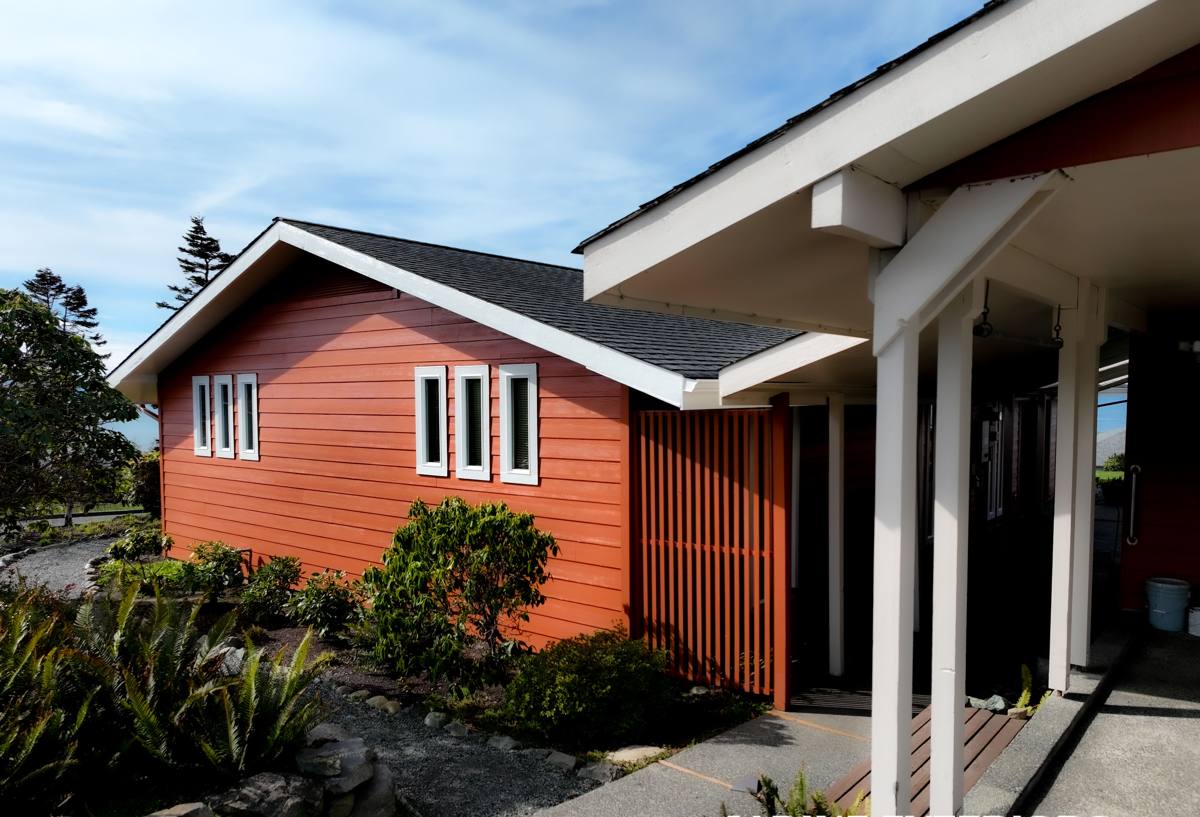
Old Southeast has a real concentration of older bungalows and early-to-mid-century homes with visible architectural character — divided-lite patterns, distinct trim profiles, original proportions. Homeowners here are often not looking to modernize the look of the house along with the windows. Matching sightlines, sash proportions, and grille patterns while upgrading the glass and frame performance underneath is a routine part of this work in this neighborhood, not a special request.
What St. Petersburg's Climate Demands From a Window
Four things do most of the damage to windows here, and an energy-efficient window has to hold up to all of them at once, not just perform well on a lab energy rating:
- Hurricane-force wind: Pinellas County sits in a wind-borne debris region for building code purposes on much of the peninsula, which means impact-rated glass or approved shutters/protection are a real design requirement, not an upsell.
- Intense, near-constant UV: Florida's sun load is high year-round, not seasonal. UV breaks down vinyl, weatherstripping, and low-grade sealants faster here than in most of the country, and it fades interior finishes through unprotected glass.
- Wind-driven rain: Storms in this area rarely drop rain straight down. Flashing and drainage systems have to handle water pushed sideways and upward into the wall assembly, which is a very different test than a light vertical rain.
- Salt air: St. Petersburg's location on the water means airborne salt reaches homes well inland from the immediate coastline. Salt accelerates corrosion on hardware, fasteners, and lower-grade frame components.
An energy-efficient window that only addresses the energy side — good glass coatings, a tight frame — but skips the wind, water, and salt requirements will underperform here even if the U-factor on the label looks good. In this neighborhood, all four factors have to be part of the same decision.
What Actually Makes a Window Energy-Efficient Here
| Feature | Why It Matters in St. Petersburg |
|---|---|
| Low-E coated, insulated glass | Reflects radiant heat before it enters the house, which matters more here than in milder climates given the year-round sun load |
| Impact-rated glazing | Meets wind-borne debris code requirements common in this part of Pinellas County and removes the need for separate shutters on many jobs |
| Warm-edge spacer systems | Reduces condensation and heat transfer at the edge of the glass, a common weak point on older insulated units |
| Corrosion-resistant hardware | Stands up to salt air exposure that degrades standard steel fasteners and hinges faster near the coast |
| Properly detailed flashing and drainage | Handles wind-driven rain pushed sideways into the wall, not just gravity-fed water |
| UV-stable frame materials and seals | Resists the fading, chalking, and premature seal failure that Florida's constant UV exposure causes on lower-grade materials |
Matching New Windows to an Older Opening
Most Old Southeast homes weren't built to today's standard window sizes, and decades of settling, humidity cycling, and prior repairs mean openings are rarely perfectly square by now. That has real consequences for the job:
- Field measurement has to account for out-of-square openings, not just height and width
- Old wood-frame openings sometimes reveal hidden rot or termite damage once trim is removed — a real possibility on homes of this age in a humid climate
- Historic sightlines and grille patterns often need to be preserved or matched, especially on street-facing elevations
- Existing stucco or siding around the opening may need careful cutting back and re-flashing rather than a simple insert replacement
- Lead paint is a realistic consideration on pre-1978 homes, which changes how trim and sash removal has to be handled
None of this makes the job unusual for us — it's routine in a neighborhood with this age of housing stock. It does mean an accurate, in-person assessment matters more here than a phone quote ever could.
How Our Process Works
1. On-Site Assessment
We look at the actual condition of each opening — frame material, evidence of past leaks or rot, squareness, and whether the surrounding stucco, siding, or trim will need repair as part of the job. We also talk through what you want to preserve visually, since a lot of Old Southeast homeowners care about keeping the house looking like itself.
2. Product Selection Based on Code and Exposure
We match window specs — impact rating, glass package, frame material — to your home's actual wind zone requirements and sun exposure, not a one-size-fits-all recommendation. A shaded window on the north side of an older bungalow doesn't need the same glass package as a west-facing window catching full afternoon sun.
3. Removal and Opening Prep
Old sashes and frames come out carefully, especially on older wood openings where hidden damage is a real possibility. Any rot, termite damage, or failed framing gets addressed before a new window goes in — installing a new window into a compromised opening just relocates the problem.
4. Flashing and Installation
This is where wind-driven rain resistance is won or lost. Flashing gets sequenced correctly — each layer overlapping the one below it — so water is directed out and down instead of finding a path into the wall assembly. This step matters more here than in a drier, calmer climate, and it's also the step a rushed installation is most likely to shortcut.
5. Sealing, Trim, and Cleanup
Exterior sealant, interior trim, and any stucco or siding patching get finished to match the surrounding house as closely as possible, particularly on visible elevations.
Cost Factors for This Neighborhood
Every job is different, but a few things consistently move the price on Old Southeast window projects more than they would on a newer, simpler home:
| Factor | Effect on Cost |
|---|---|
| Impact-rated vs. standard glass | Impact glass costs more upfront but often removes the need for separate storm protection |
| Custom or non-standard sizing | Older openings that don't match modern standard sizes require custom-order units, which cost more and take longer to arrive |
| Hidden rot or framing repair | Not knowable until old trim and sashes come off; adds labor and material if found |
| Historic sightline or grille matching | Custom grille patterns or divided-lite looks add cost over a plain sash |
| Number of openings done at once | Doing multiple windows in one visit spreads setup and mobilization costs across more units |
| Stucco or siding repair around the opening | Additional trade work if the surrounding exterior needs patching to match |
We can give you a realistic, written estimate once we've actually looked at the openings — broad ballpark numbers without seeing the house tend to be wrong in one direction or the other, and that doesn't help anyone.
Why a Crew That Already Works This Neighborhood Matters
Manufacturer installation instructions are written for average conditions — a standard-size opening, moderate climate, newer wall assembly. Old Southeast rarely matches that description on any of those points. A crew that has actually worked older homes in this specific area knows which parts of that generic guidance are non-negotiable given St. Petersburg's wind, sun, and salt exposure, and which parts of the job need extra attention that a manufacturer's instructions won't tell you to give.
That includes knowing what to expect when trim comes off a pre-1978 wood-frame opening, how to sequence flashing on a stucco wall versus siding, and how to price a job honestly when out-of-square openings and custom sizing are the norm rather than the exception. It also means being available locally if a warranty question or a follow-up issue comes up — not working from another part of the county or relying on a subcontractor who won't be back.
Maintenance After Installation
A well-installed energy-efficient window in this climate still needs some upkeep to perform for its full service life:
- Rinse accumulated salt residue off frames and hardware periodically, especially on homes closer to the water
- Check and clean weep holes so water can drain properly instead of pooling in the frame
- Inspect exterior sealant annually for cracking or gaps, since UV exposure here breaks down lower-grade caulk faster than milder climates
- Operate hardware regularly so hinges and locks don't seize, particularly on units near salt air
- Address any soft trim, staining, or interior condensation right away rather than waiting — those are early signs of a seal or flashing issue
Signs Your Current Windows Are Underperforming
A few warning signs come up often on Old Southeast homes with original or older replacement windows:
- Rooms near west- or south-facing windows noticeably harder to keep cool in the afternoon
- Visible daylight or a draft felt around the sash when the window is closed
- Condensation forming between panes on an insulated unit, which usually means a failed seal
- Difficulty opening, closing, or locking a sash that used to operate smoothly
- Soft or discolored trim around the window, which can point to water intrusion behind the frame
Any one of these is worth having looked at. Together, they usually mean the windows are costing you more in energy bills and future repair risk than a replacement would.
If you're weighing energy-efficient window replacement for an older home in Historic Old Southeast, it helps to have someone look at the actual openings before you start comparing quotes or products. We offer free, no-pressure estimates for window projects in this neighborhood and the surrounding St. Petersburg area — use the form below to get a time on the schedule.