 St. Petersburg Siding
 Historic Kenwood Homes Need a Different Approach to Siding
Kenwood is one of St. Petersburg's recognized historic districts, and it's full of bungalows and other early-1900s architectural styles that you don't see much of in newer Pinellas County subdivisions. Narrow lap profiles, deep-set porches, and original trim details give these homes a character that a big-box "re-side" crew isn't set up to preserve. Most siding companies are built around fast, high-volume production work on newer homes with square walls and standard reveals. Historic Kenwood homes ask for something slower and more deliberate: matching a siding reveal that isn't a modern standard size, working around original trim and window casings worth keeping, and getting the tear-off right on a wall assembly that's been patched and repainted for decades.
That's the gap we work in. We don't treat a Kenwood bungalow like a production-builder tract house, and we don't guess at what the wall behind the old siding looks like before we open it up.
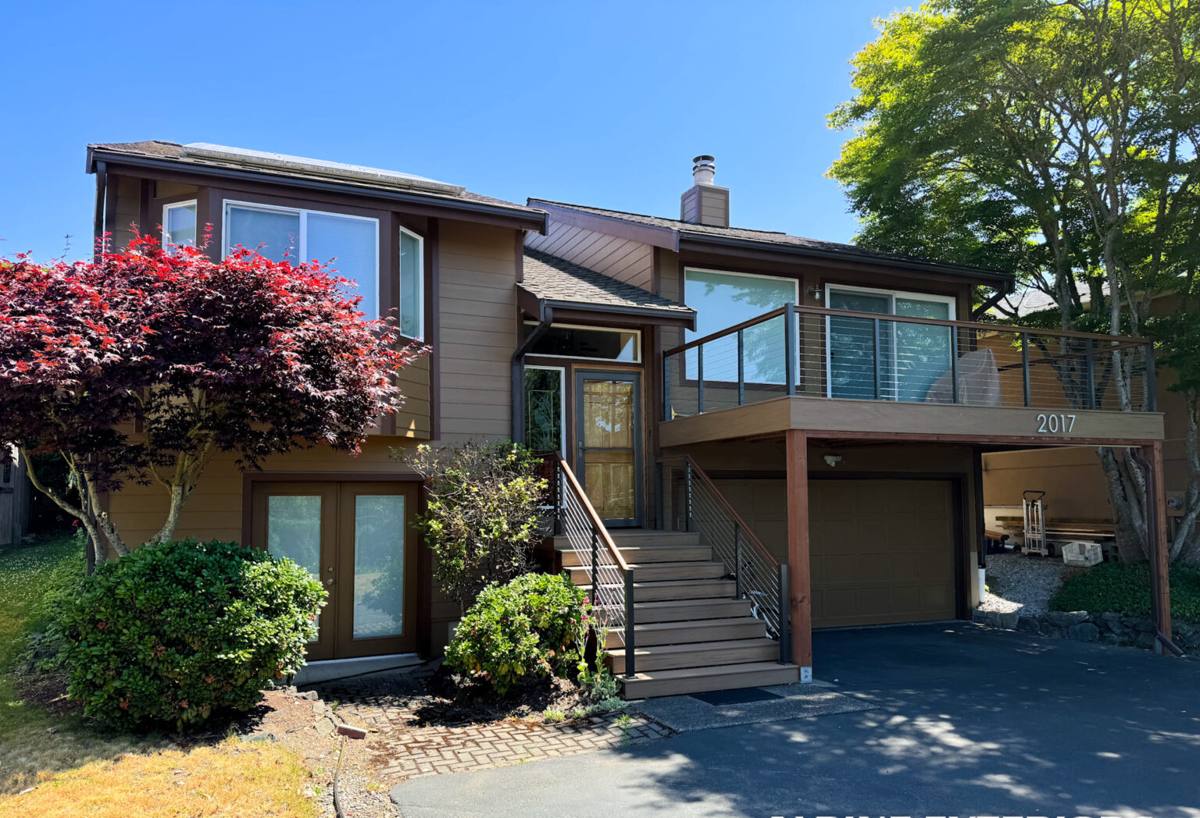
What Pinellas County's Climate Does to Older Siding
St. Petersburg sits on a peninsula, and every home in Pinellas County takes a steady beating from four things: hurricane-force wind, intense year-round UV, wind-driven rain, and salt air. On a home that might be 80 to 100 years old, decades of that exposure compound.
Hurricane-Force Wind
Wind doesn't just push on siding — it gets underneath it. Old wood lap siding that has cupped, warped, or lost its original fasteners over the years is far more likely to catch wind and pry loose in a storm. Once one board goes, wind-driven rain gets behind the whole wall.
Intense Year-Round UV
Florida sun is brutal on painted wood siding. UV breaks down paint film faster here than almost anywhere else in the country, which means more frequent repainting, more caulk failure, and more exposed, unprotected wood grain over time.
Wind-Driven Rain and Salt Air
Rain in this region rarely falls straight down — storms push it sideways into walls, seams, and trim joints. Add in the salt content of the air coming off Tampa Bay and the Gulf, and you get accelerated corrosion of fasteners and faster breakdown of any finish that isn't built for a coastal environment.
Signs a Historic Kenwood Home Needs Siding Replacement
On older homes, the visible damage is often the last stage of a problem that's been developing for years underneath. Homeowners in Kenwood should watch for:
- Soft or spongy spots when you press on a wall, especially near the bottom courses and under windows
- Paint that's blistering, peeling, or won't hold no matter how often it's redone
- Visible cupping, warping, or separation between boards
- Gaps opening up around trim, window casings, or corner boards
- A musty smell inside on exterior walls, which often points to moisture already inside the assembly
- Visible insect activity or soft wood at ground level
- Fasteners backing out or rust streaks running down from nail heads
Any one of these can be an isolated repair. Several at once, on a home of this age, usually means the siding system as a whole has reached the end of its useful life.
What a Correct Siding Replacement Actually Involves
Replacing siding on a historic home is not a matter of stripping the old boards and nailing up new ones in the same pattern. Done right, it's a full look at the wall assembly.
Tear-Off and Substrate Inspection
Once the old siding comes off, we can finally see what's actually happening underneath — sheathing condition, old repairs, and any rot that was hidden behind the finished wall. On a home this age, it's common to find prior patch jobs that were never sealed correctly. Those get addressed before anything new goes up, not painted over.
Water Management Comes First
New siding is only as good as what's behind it. Correct installation means a properly lapped weather-resistant barrier, flashing at every window, door, and penetration, and drainage planes that let any moisture that does get in find its way back out instead of sitting against the wall. This is the part of the job that's invisible once it's finished — and the part that determines whether the new siding lasts.
Matching the Historic Profile
Kenwood homes typically carry a narrower reveal than what gets installed on modern new-construction homes today. We measure the existing exposure and trim details before we order material, so the finished home reads as the same house, just with a siding system that will actually hold up.
Matching Original Character Without Compromising Performance
Homeowners in historic neighborhoods often assume they have to choose between keeping the look of the house and getting a modern, durable product. That's not really the trade-off. The table below shows how the common options compare for a home like this.
| Material | Historic Profile Match | Coastal Climate Performance | Maintenance |
|---|---|---|---|
| Original wood lap (repaired) | Exact — it's the original | Poor without constant upkeep; vulnerable to moisture and UV | Repaint every few years, ongoing caulk and rot repair |
| Vinyl siding | Limited — reveal and trim options are restrictive | Softens and warps in extreme heat; brittle in impacts | Low, but not repairable in sections without visible mismatch |
| James Hardie fiber cement | Strong — narrow-reveal HZ profiles and custom trim are available | Engineered for humidity, wind-driven rain, and UV exposure | Low; factory finish holds color without repainting on the usual cycle |
Fiber cement lets us hold the narrow reveal and trim details that define a Kenwood bungalow while giving the homeowner a wall system that isn't fighting the climate from day one.
Why We Install Only James Hardie Fiber Cement
We made a decision as a company to install James Hardie fiber cement siding exclusively, and we don't install vinyl, LP SmartSide, or other fiber cement brands. It comes down to what stands up to this region long-term. Hardie's HZ5 product line is specifically engineered for high-humidity, storm-prone climates like ours, the material itself is non-combustible, and the factory-applied ColorPlus finish is baked on and warranted against fading in a way that field-applied paint on wood or repainted vinyl simply isn't. For a historic home where the whole point is protecting a long-term investment, we want a product with a real track record and a manufacturer warranty behind it — not a material we're hoping performs.
Our Process for Historic Kenwood Projects
- On-site inspection of the existing siding, trim, and wall condition, including a look at what's likely hiding underneath
- Measurement of the existing reveal and trim profile so the replacement matches the home's original character
- A written estimate that spells out material, scope, and what we expect to find once tear-off begins
- Careful removal of existing siding with attention to preserving trim and architectural details worth keeping
- Repair of any damaged sheathing or framing discovered during tear-off, documented and discussed with the homeowner before we cover it back up
- Installation of a correctly lapped weather barrier and flashing at every penetration
- Installation of James Hardie siding and trim to the manufacturer's specifications, including proper fastener pattern and clearances
- Final walkthrough with the homeowner before we consider the job done
Permits and Working Within a Historic District
Homes in a designated historic district can carry additional review steps beyond a standard building permit, depending on the scope of exterior work and the specific guidelines that apply to the property. We pull the required permits for the work itself and make sure the project is documented correctly, and we'll flag for the homeowner early on if a project looks like it may need additional review so there are no surprises partway through. We'd rather raise that question in the estimate stage than after material has already been ordered.
What Affects the Cost of a Historic Kenwood Siding Replacement
| Factor | Why It Matters |
|---|---|
| Extent of hidden rot or sheathing damage | Not knowable until tear-off; older homes vary widely on this |
| Trim and detail complexity | Original corner boards, window casings, and porch details take more labor to match than a plain wall |
| Siding profile and reveal | Narrower historic reveals require more boards and more installation time per square foot than wide modern profiles |
| Home size and wall access | Mature landscaping, tight side yards, and multi-story sections all affect labor time |
| Color and finish selection | Factory ColorPlus finishes vs. field-applied paint carry different material costs |
We don't give ballpark numbers over the phone for a home like this — too much depends on what's actually behind the existing siding. A written estimate after an on-site look is the only honest way to price the job.
Getting It Right the First Time
A siding replacement on a historic Kenwood home is not something to redo in five years because the first contractor rushed the water management or used a product that couldn't handle a Pinellas County summer. It's worth working with a crew that has actually done this kind of project in this neighborhood, understands what these homes need, and will tell you honestly what they find once the old siding comes off.
If you own a home in Historic Kenwood and want a straight answer on what your siding needs, we're glad to come take a look. The estimate is free, there's no pressure, and you'll get a clear explanation of what we see and what we'd recommend — use the form below to get started.