 St. Petersburg Siding
 Historic Kenwood's Older Homes Face a Different Kind of Siding Problem
Historic Kenwood is one of St. Petersburg's older, established neighborhoods, built out mostly in the early-to-mid 20th century with bungalow and cottage-style homes. Houses that age have usually been touched more than once — a remodel here, a storm repair there, an addition that used whatever siding material was available at the time. That history matters when something goes wrong with the siding today. A repair on a 15-year-old subdivision home is usually straightforward: one material, one installation date, one set of problems. A repair on a Kenwood home often means figuring out what's actually behind the wall before you can fix what's in front of it.
That's the mindset we bring to siding repair work in this neighborhood: diagnose first, patch second. A quick fix that doesn't address why the siding failed in the first place just buys a homeowner a year or two before the same spot fails again — usually worse.
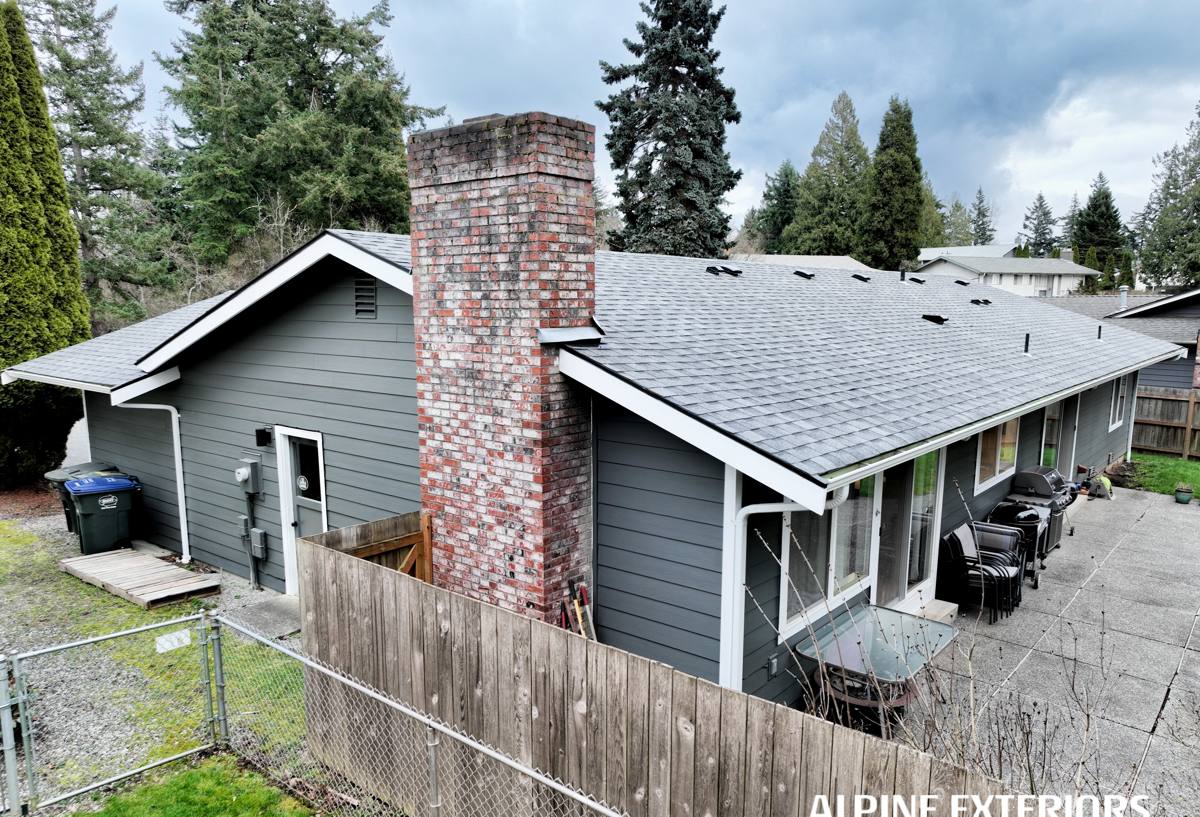
What St. Petersburg's Climate Does to Siding Year After Year
Pinellas County sits on a peninsula between Tampa Bay and the Gulf, which means siding here works harder than siding almost anywhere else in the country. A handful of conditions do most of the damage over time.
Hurricane-Force Wind
Tropical storms and hurricanes are a regular part of life in this part of Florida. High wind doesn't just knock siding off in a dramatic storm event — over years, repeated wind loading works fasteners loose, flexes panels at their edges, and stresses caulked joints until they crack. Older or already-weakened siding is the first to give.
Intense, Year-Round UV
St. Petersburg gets strong, direct sun essentially every month of the year, not just in summer. UV breaks down paint film, dries out caulk, and — on materials not engineered for it — causes warping, cupping, and premature fading. Siding that would last decades in a milder climate can show serious wear in a fraction of that time here.
Wind-Driven Rain
Florida rain rarely falls straight down. Afternoon thunderstorms and tropical systems push rain sideways, forcing water into laps, seams, and trim joints that were never designed to handle rain hitting them from the side. If flashing or caulking has failed anywhere, this is how water finds its way behind the siding and into the wall assembly.
Salt Air
Proximity to the bay and the Gulf means a steady dose of salt-laden air, even well inland from the water. Salt accelerates corrosion of fasteners and metal flashing and speeds up the breakdown of paint and caulk. Homes closer to the water typically show siding wear faster than homes further inland, even at the same age.
Common Siding Repair Issues We Find in Kenwood
Given the age of the housing stock and the climate load described above, a few problems show up repeatedly on repair calls in this neighborhood:
- Rotted or deteriorated boards at rooflines, eaves, and porch attachments where water tends to collect
- Cracked or split siding near window and door trim, often from years of caulk failure
- Old patch repairs using a different material or profile than the original siding, creating visible mismatches and new leak points
- Paint failure — peeling, chalking, or bubbling — that signals moisture is already getting behind the surface
- Gaps or separation at corners and butt joints from wind flexing and thermal movement over time
What a Correct Repair Actually Involves
Finding the Real Cause, Not Just the Symptom
Visible damage — a cracked board, a stained patch, a soft spot — is usually a symptom of something happening behind the siding: a failed flashing detail, a gap that's been letting water in for years, or a section of sheathing that's already compromised. A repair that only replaces the visible board without addressing the underlying cause is a repeat service call waiting to happen. Every repair should start with figuring out how water is actually getting in, not just where it's showing up.
Matching Existing Siding
On an older home, matching a repair to the surrounding siding isn't always simple. Profiles, exposures, and colors change over the decades, and a home that's had multiple past repairs may already have more than one siding type on it. Sometimes a clean patch is possible. Other times, the more honest recommendation is to replace an entire wall section or elevation so the repair doesn't stand out as an obvious patch — and so you're not left with a weak seam between old and new material.
Flashing, Caulking, and Sealing Done Right
Most siding failures in this climate trace back to a flashing or sealant detail that wasn't done correctly — around windows, at butt joints, at penetrations for hose bibs or vents. A repair that skips these details and just replaces the visible siding piece is treating the symptom, not the cause. Correct flashing and sealing at every joint is what actually keeps wind-driven rain out.
Repair or Replace? How We Help Kenwood Homeowners Decide
Not every siding problem needs a full replacement, and not every repair is worth doing instead of replacing. We walk homeowners through the honest trade-offs rather than defaulting to the option that's more or less work for us.
| Factor | Repair Usually Makes Sense | Replacement Usually Makes Sense |
|---|---|---|
| Extent of damage | Isolated to one or two sections | Spread across multiple walls or elevations |
| Age of existing siding | Siding is relatively young and otherwise sound | Siding is near or past its expected service life |
| Material match | A close match is available or the patch is in a low-visibility area | No good match exists, or mismatched patches already exist |
| Underlying cause | Cause is identified and correctable at the repair site | Cause suggests wider moisture or structural issues |
| Cost over time | One-time fix likely holds for years | Repeated repairs would cost more than replacing |
Our Siding Repair Process in Historic Kenwood
Inspection and Honest Assessment
We start by looking at the damaged area and the areas around it — not just the spot you called about. On an older home, if one section has failed, it's worth checking whether the same conditions exist elsewhere on the house. You get a plain explanation of what we found, what caused it, and what your realistic options are.
The Repair Itself
Damaged material comes out, the substrate underneath gets checked and repaired if needed, and new material goes in with correct flashing and sealing at every joint — not just a cosmetic patch over the surface. If a matching replacement isn't practical, we'll tell you before starting, not after.
Cleanup and Follow-Up
We clean up the work area and leave the repair ready to hold up through the next storm season, not just look fine on move-out day. If the repair is on siding we installed, it's backed by the manufacturer's warranty on the material and our own workmanship standard on the labor.
Why We Repair and Replace with James Hardie Fiber Cement Only
When a repair calls for replacing more than a small patch, the material choice matters as much as the workmanship. We install and repair with James Hardie fiber cement exclusively — we don't install vinyl, LP SmartSide, primed spruce, cedar, or other fiber cement brands. That's a deliberate standard, not a lack of options.
Vinyl siding is affordable and low-maintenance, but it's a plastic product that softens and can warp in intense, sustained heat, and it's more prone to cracking or blowing off in high wind than fiber cement — real considerations in a hurricane-exposed county. Wood and engineered-wood products can look great, but they carry a higher moisture-management burden in a climate this humid and rain-heavy, meaning more maintenance to keep water out over time.
Fiber cement is non-combustible, holds up to wind-driven rain and salt air far better over the long term, and James Hardie's factory-applied ColorPlus finish is engineered to resist Florida's UV exposure without the frequent repainting that field-painted siding needs. Their HZ5 product line is specifically formulated for high-humidity, hurricane-exposed climates like ours. It's backed by a strong, transferable warranty when installed to spec — which is exactly why it's the only material we put on a home, whether that's a full replacement or a repair section that needs to hold up as long as the rest of the wall.
Why a Crew That Already Works in Historic Kenwood Matters
Older neighborhoods reward local familiarity. A crew that regularly works in this part of St. Petersburg has already seen how homes of this era were built, what past repair work tends to look like, and where problems typically hide on these house styles. That means less guesswork and fewer surprises once a wall is opened up.
If your property falls within a designated historic district overlay, there may be guidelines around exterior appearance that apply to visible repair or replacement work — that's worth checking with the city or your neighborhood association before work begins, and we're glad to work within whatever those requirements turn out to be. Being local also means faster response after a storm, when a lot of homes in the same area need attention at once and travel time becomes the difference between a quick fix and weeks of exposed sheathing.
Signs Your Kenwood Home's Siding Needs Attention Now
A few warning signs are worth acting on before they turn into a bigger repair:
- Soft or spongy spots when you press on the siding
- Visible cracking, splitting, or warping in one or more boards
- Paint peeling in sheets rather than just fading
- Gaps opening up at corners, trim, or butt joints
- Staining or streaking concentrated near seams or fastener heads
- A musty smell or noticeably warmer/cooler interior wall near an exterior siding section
- Any siding damage that appeared or worsened right after a storm
If you're seeing any of these on your home, we're happy to take a look and give you a straight answer on what's causing it and what it'll take to fix — no pressure, no obligation. Reach out for a free estimate using the form below.