 St. Petersburg Siding
 Roof Replacement in Gulfport: What Local Homes Actually Need
Gulfport sits right on the water in Pinellas County, which means its roofs live a harder life than roofs almost anywhere else in the country. Between the direct waterfront exposure, the older bungalow and mid-century housing stock common in the area, and the general wear that comes with a Tampa Bay address, a roof here is doing more work than the same roof would be doing forty miles inland. When it's time to replace one, the goal isn't just "put a new roof on" — it's building a roofing system that's matched to Pinellas County's climate and installed correctly the first time.
We do roof replacement work for homeowners throughout the St. Petersburg area, and Gulfport comes with its own set of considerations: tight lots and mature tree canopy in the older neighborhoods, a mix of roof ages and styles from decades of additions and remodels, and a coastal position that accelerates weathering compared to properties further from the water. This page walks through what a correct roof replacement looks like for a Gulfport home and how we approach the job.
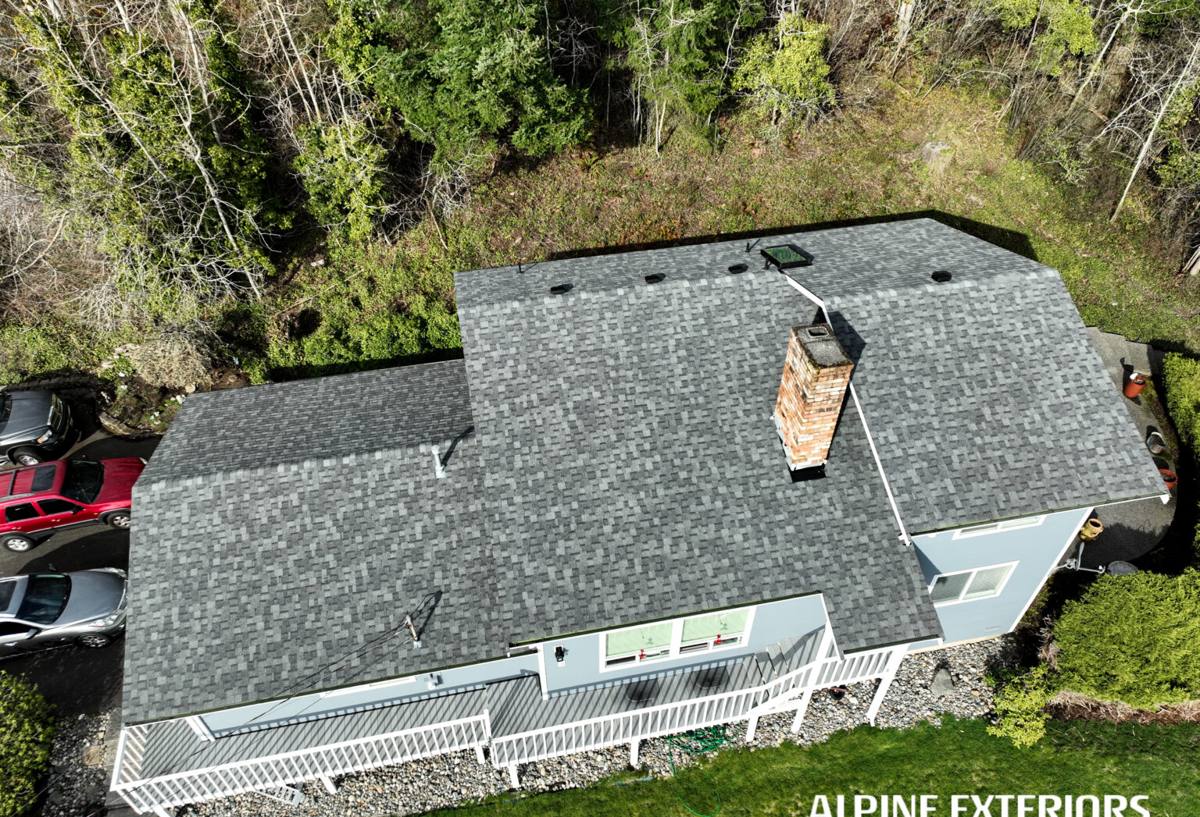
Why Gulfport's Climate Is Hard on Roofs
Four things drive roof failure and premature aging in this part of Florida, and Gulfport gets all four at once:
Hurricane and Tropical-Storm Wind
Gulfport's waterfront position means it takes wind-driven storms seriously. Roof coverings, underlayment attachment, and edge/flashing details all matter more here than in a landlocked market — wind doesn't just strip shingles, it finds every weak fastening point and every under-built starter course.
Wind-Driven Rain
It's rarely rain falling straight down. During a Gulf storm, rain comes in sideways, which pushes water up under shingle tabs, through poorly sealed penetrations, and into any gap in the underlayment. A roof that only handles vertical rain well isn't built for this area.
Year-Round UV Exposure
Florida sun is intense and constant, not seasonal. UV breaks down asphalt shingle oils, dries out sealant strips, and accelerates aging on any roofing material that isn't rated for high-UV climates. A roof that would last 25 years in a milder climate can visibly age faster here.
Salt Air
Being close to Boca Ciega Bay and the Gulf means airborne salt settles on roofing materials and metal components. Salt accelerates corrosion on exposed fasteners, flashing, and any unprotected metal — a detail a lot of standard installations don't account for.
Individually, none of these is unusual for Florida. Together, on a waterfront-adjacent community like Gulfport, they add up to roofs that need to be built and installed with more margin than a generic install would provide.
Signs a Gulfport Roof Needs Replacing (Not Just Repairing)
Not every roof problem means a full replacement, but there's a point where patching stops making financial sense. Signs it's time to talk replacement instead of repair:
- Shingles that are curling, cupping, or losing granules across large sections of the roof, not just one spot
- Multiple past repairs in different areas — a sign the whole roof is aging out, not just one section
- Soft spots in the roof deck when walked, or visible sagging
- Daylight visible through the attic or recurring leaks that move to a new spot after each repair
- A roof at or past the manufacturer's expected service life for its material and this climate
- Missing granule protection showing bare, shiny asphalt on older shingles
- Rusting or failing flashing around chimneys, vents, and skylights that keeps reopening after sealing
If a roof is showing two or three of these at once, a replacement usually costs less over time than another round of patchwork — and it resets the clock on wind and water protection before the next storm season.
What a Correct Roof Replacement Includes
A roof replacement is more than swapping old shingles for new ones. The parts most homeowners don't see are the ones that determine whether the roof actually performs in a coastal storm.
Full Tear-Off and Deck Inspection
We remove the old roofing down to the deck rather than layering over it. That's the only way to actually see the plywood or OSB underneath, find any rot or soft spots from past leaks, and replace damaged decking before it's covered up again.
Underlayment Built for Wind-Driven Rain
The underlayment is the roof's real waterproofing layer — the shingles are the first line of defense, but the underlayment is what keeps the house dry if wind gets under them. For coastal Pinellas County homes, that means synthetic or self-adhering underlayment at eaves, valleys, and penetrations, not the minimum felt some builders still use.
Wind-Rated Fastening
How and where a shingle is nailed matters as much as the shingle itself. Proper nail count, placement within the manufacturer's wind-rated nailing pattern, and correctly sealed starter courses are what actually keep a roof on during high wind — not just the product label.
Flashing and Penetration Detail
Chimneys, vent stacks, skylights, and roof-to-wall transitions are where the majority of leaks start. Correct step flashing, counter-flashing, and sealed penetrations — using corrosion-resistant materials given the salt air — are non-negotiable, not an upsell.
Ventilation
A roof needs proper intake and exhaust ventilation to manage heat and moisture in the attic. Get this wrong and shingles age faster from trapped heat, and moisture can build up and cause deck problems from the inside.
Roofing Material Options for Gulfport Homes
There's no single "best" roof for every house — it depends on the home's structure, budget, and how long the owner wants the roof to last before the next replacement. Here's how the common options stack up for this climate:
| Material | Typical Lifespan Here | Wind/Storm Performance | Best Fit |
|---|---|---|---|
| Architectural Asphalt Shingle | 15-25 years | Good with proper wind-rated installation and sealed starter courses | Most budgets, good balance of cost and performance |
| Standing Seam Metal | 40-60 years | Excellent; fewer components for wind to catch | Owners planning to stay long-term, higher upfront budget |
| Tile (Concrete/Clay) | 30-50+ years | Strong when properly fastened; heavier structural load | Homes built or reinforced for the added weight |
| 3-Tab Asphalt Shingle | 10-15 years | Lower wind resistance than architectural shingles | Rarely our recommendation for coastal exposure |
For salt-air exposure, we pay close attention to fastener and flashing material regardless of which roofing product is chosen — coated or corrosion-resistant metal components hold up better than standard-grade hardware once they're exposed to Gulf air year-round.
Our Replacement Process
- On-site inspection and estimate. We walk the roof and attic, check the deck condition where visible, and give an honest assessment of repair-versus-replace before quoting anything.
- Material selection. We go over the options above in plain terms — cost, lifespan, and what each one actually requires in upkeep — so the homeowner picks based on real trade-offs, not a sales pitch.
- Permitting. Roof replacements in Pinellas County require permits and inspections; we handle that process rather than leaving it to the homeowner.
- Tear-off and deck repair. Full removal of old roofing, deck inspection, and replacement of any compromised sheathing before anything new goes down.
- Underlayment, flashing, and installation. Installed to the wind-rated specifications appropriate for a coastal Pinellas County property.
- Final walkthrough and cleanup. We inspect the completed roof, clean the property of debris and nails, and go over warranty coverage before we consider the job done.
Why Work With a Crew That Knows Gulfport
Roofing code, wind zone requirements, and permitting in Pinellas County aren't identical to neighboring counties, and a crew that regularly works St. Petersburg and Gulfport knows the local permitting office, the common deck and framing quirks of the area's older housing stock, and what actually holds up against real Gulf storms versus what just meets a bare minimum spec. A crew unfamiliar with the area may install a technically-code roof that still underperforms here.
Working locally also means we're not disappearing after the invoice is paid. If a question comes up after a storm, or something needs a warranty check, we're a local business that's still here.
Cost Factors for a Gulfport Roof Replacement
Every roof is priced individually after inspection, but the main factors that move the price are consistent:
- Roof size and pitch (steeper roofs take longer and require more safety equipment)
- Material chosen (asphalt shingle, metal, or tile carry different material and labor costs)
- Deck condition and how much sheathing replacement is needed once the old roof comes off
- Number and complexity of penetrations — chimneys, skylights, multiple vent stacks
- Layers of existing roofing to remove
- Access — tight lots, mature trees, or limited driveway space can affect labor time
We give a firm, itemized estimate after seeing the roof in person — not a phone-quote guess.
Get a Free Roof Replacement Estimate
If your Gulfport roof is showing its age or you just want an honest opinion on repair versus replacement, we're glad to take a look. The estimate is free, there's no pressure to move forward, and you'll get a straight answer about what your roof actually needs. Use the form below to request your no-obligation estimate.