 St. Petersburg Siding
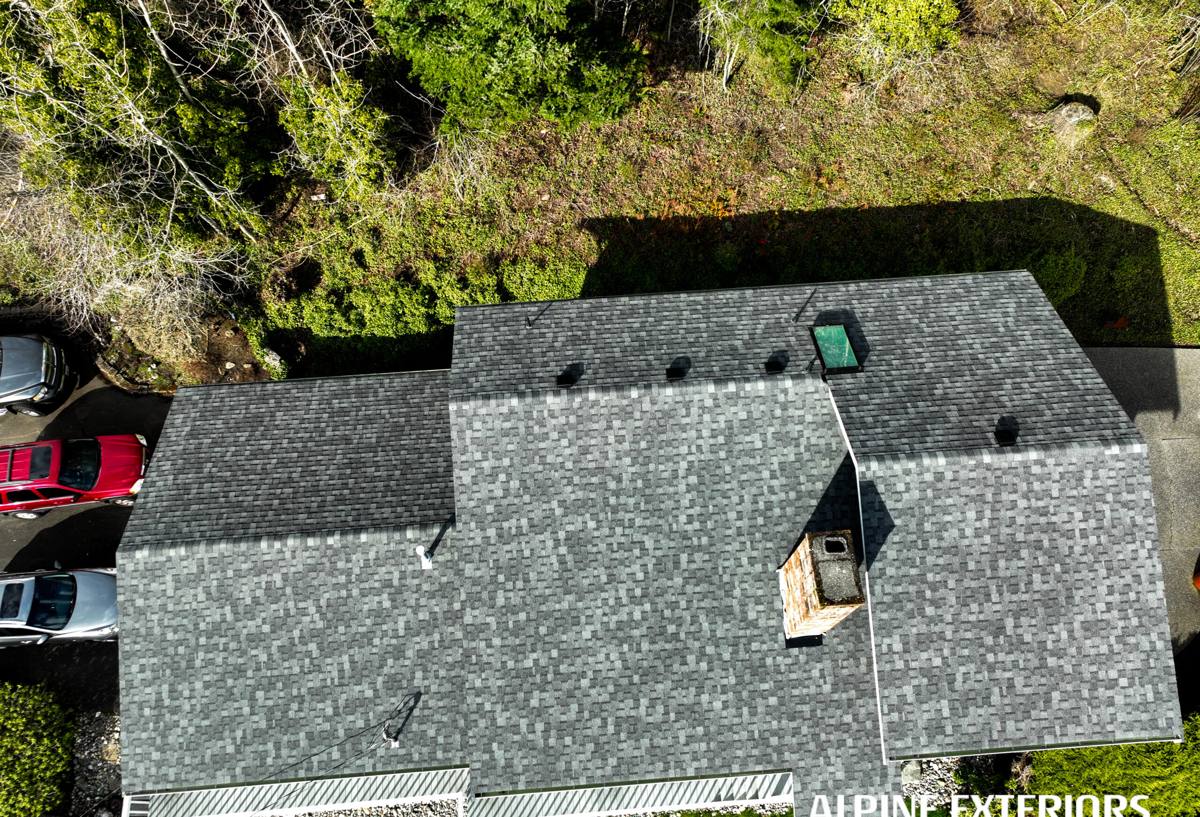
 New Roof Installation for Euclid-St. Paul Homes
Euclid-St. Paul sits in one of St. Petersburg's older residential pockets, which means a lot of the roofs here are original to the home or were replaced decades ago under building codes that no longer reflect what Pinellas County actually needs from a roof. When we install a new roof in this neighborhood, we're not just matching what was there before — we're bringing the assembly up to current wind and moisture standards while respecting the look of the surrounding homes. A new roof is one of the few home improvements where "correct installation" and "curb appeal" are equally important, and cutting corners on either one shows up fast in a coastal climate like this.
This page covers what a new roof installation actually involves for a Euclid-St. Paul property, the climate factors that should shape your material and installation decisions, and how our process works from first look to final inspection.
Why Local Climate Drives Every Decision on This Job
St. Petersburg roofs deal with a combination of stresses that inland homes simply don't face. Any new roof installation here needs to be engineered around four things at once:
- Hurricane-force wind loads — Pinellas County sits on a peninsula, and wind uplift at the roof edges and corners is the single biggest structural threat to a roof system during a storm.
- Intense year-round UV exposure — Florida sun breaks down roofing materials faster than in most of the country, degrading asphalt oils, fading color, and embrittling underlayment and sealants over time.
- Wind-driven rain — storms here don't just drop rain straight down; wind pushes water sideways and upward under shingle tabs and flashing laps, which is why underlayment and flashing detail matter as much as the shingles themselves.
- Salt air — being close to the water means airborne salt accelerates corrosion on exposed metal fasteners, flashing, and vents if the wrong materials are used.
A roof designed for a dry, low-wind climate simply doesn't hold up here. Every material and fastening choice on a Euclid-St. Paul job should be made with these four factors in mind, not just cost or appearance.
What This Means in Practice
In real terms, it means we don't treat underlayment, flashing, and fastening schedules as an afterthought to "pick a shingle color and go." Those hidden components are what actually keep water out and the roof attached to the house during high wind — the visible shingle or tile layer is only part of the system.
What a Correct New Roof Installation Actually Involves
A new roof isn't a single product — it's a layered system, and each layer has a job. Skipping or shortcutting any layer weakens the whole assembly, even if the finished roof looks fine from the street.
Tear-Off and Deck Inspection
We remove the old roofing material down to the deck rather than layering over it. This lets us inspect the plywood or OSB decking underneath for soft spots, rot, or delamination — common in older Euclid-St. Paul homes where past roof leaks may have gone unnoticed for years. Any compromised decking gets replaced before anything new goes down; installing a new roof over a weak deck just guarantees a future problem.
Underlayment
This is the roof's real waterproofing layer. In a wind-driven rain climate, we use underlayment products and lap details rated for high-wind, high-moisture conditions rather than the minimum builder-grade felt. This is one of the most important — and least visible — decisions in the entire installation.
Flashing
Flashing around chimneys, walls, skylights, and roof-to-wall transitions is where the majority of roof leaks actually originate, not the field of the roof itself. We use corrosion-resistant flashing materials appropriate for salt-air exposure and detail every transition individually rather than relying on generic trim pieces.
Fastening Schedule
Wind uplift resistance comes down to how the material is fastened, not just what material is used. We follow fastening patterns rated for Pinellas County's wind zone, with tighter nailing or fastening patterns at eaves, rakes, and ridges — the areas where wind uplift concentrates first.
Ventilation
Proper attic ventilation keeps roof deck temperatures and moisture levels in check, which extends the life of both the roofing material and the structure underneath. A roof that looks great but traps heat and humidity in the attic will age faster than one that's properly vented.
Material Options for Euclid-St. Paul Homes
There's no single "best" roofing material for every home — the right choice depends on your roof's slope, your budget, your home's architectural style, and how long you want the roof to last before major maintenance. Here's an honest comparison of the main options we install in this area:
| Material | Wind Performance | UV/Sun Durability | Salt Air Considerations | Typical Lifespan |
|---|---|---|---|---|
| Architectural asphalt shingle | Strong when properly fastened; rated for high-wind zones | Good with quality granule coating; fades gradually | Fasteners and flashing must be corrosion-resistant | 20-30 years |
| Standing seam metal | Excellent uplift resistance with concealed fasteners | Excellent; reflects heat, resists UV breakdown | Requires coastal-grade coatings and fasteners | 40-50+ years |
| Concrete or clay tile | Very good when tiles are properly secured | Excellent; essentially unaffected by UV | Underlayment does the real waterproofing work; tile is durable but heavy | 40-50+ years |
Many homes in this part of St. Petersburg were originally built with asphalt shingles, and that remains a solid, cost-effective choice when installed correctly. Homeowners looking for a longer-term investment or a different architectural look often ask us about metal or tile — we'll walk through the real trade-offs in cost, weight (which affects structural requirements), and maintenance for your specific roof rather than pushing one product.
Our Installation Process
We keep the process straightforward and communicate clearly at each stage, since a roof replacement is disruptive enough without added uncertainty.
- On-site assessment — we inspect the existing roof, decking condition (where visible), attic ventilation, and any problem areas like chimneys or valleys.
- Written estimate — a clear breakdown of material options, scope of work, and pricing, with no pressure to decide on the spot.
- Permitting — new roof installations in St. Petersburg require a permit and inspection; we handle this as part of the job.
- Tear-off and deck inspection — full removal of old material and repair of any damaged decking.
- Underlayment and flashing installation — the waterproofing layer that does the real work in wind-driven rain.
- Roofing material installation — installed to manufacturer specifications and local wind-zone fastening requirements.
- Cleanup and magnetic nail sweep — full site cleanup, including a sweep for stray fasteners around the property.
- Final walkthrough and inspection — we review the finished roof with you and coordinate the required municipal inspection.
Signs Your Euclid-St. Paul Home May Need a New Roof
Not every roof problem requires full replacement, but there are signs worth taking seriously, especially on older homes in this neighborhood:
- Shingles that are curling, cupping, or missing granules in patches
- Visible daylight or water stains in the attic after heavy rain
- A roof that's approaching or past its expected lifespan (see the table above)
- Repeated small leaks in different spots after storms
- Soft or spongy spots on the roof deck when walked on
- Metal flashing showing rust or corrosion, particularly on homes closer to the water
- Your insurance company flagging roof age or condition during a policy review
If you're seeing more than one or two of these, it's worth getting an honest assessment before storm season, rather than after a leak forces the issue.
Why Local Experience in This Neighborhood Matters
Roofing crews that regularly work in Euclid-St. Paul and the surrounding St. Petersburg neighborhoods understand the housing stock here — the mix of home ages, common deck materials, typical attic configurations, and the specific wind and flood zone requirements that apply in this part of Pinellas County. That familiarity translates into fewer surprises during tear-off, more accurate estimates upfront, and a permitting process that goes smoothly because we already know what the local building department expects to see.
It also means we're accountable locally. A roof is a long-term investment in your home, and you should be able to reach the crew that installed it if a question comes up years down the road — not chase down a company that only worked in the area for one storm season.
Maintaining Your New Roof
A correctly installed roof still benefits from basic upkeep, especially in a climate this demanding. We recommend:
- A visual inspection after any major storm, focusing on flashing points and roof edges
- Keeping gutters clear so water isn't backing up under the roof edge
- Trimming back overhanging tree limbs that can drop debris or scrape roofing material
- Having a professional inspection every few years, even without an obvious problem
These small habits go a long way toward getting the full expected lifespan out of your new roof, particularly given the UV exposure and salt air this area sees year-round.
Get a Straightforward Estimate
If your roof is showing its age or you're planning ahead of the next storm season, we're happy to take a look and give you a clear, honest assessment — no pressure, no hard sell. Fill out the form below for a free estimate on new roof installation for your Euclid-St. Paul home.