 St. Petersburg Siding
 Disston Heights is one of St. Petersburg's older, more established neighborhoods — a mix of mid-century bungalows, ranch homes, and ~a canopy of mature oak trees that gives the streets their character. That character comes with a cost for exterior materials. Older housing stock means older siding, in many cases well past its service life, and the tree cover that makes the neighborhood shady and pleasant also keeps siding damp longer after rain, feeds mildew and algae growth, and drops leaves, pollen, and branches onto walls and gutters year-round. Add in what Pinellas County's coastal climate does to any exterior surface, and siding replacement in Disston Heights is a different job than the same task fifty miles inland.
What St. Petersburg's Climate Actually Does to Siding
St. Petersburg sits on a peninsula between Tampa Bay and the Gulf of Mexico, and that geography drives everything about how exterior materials age here. It isn't one factor — it's several working together, year after year, on the same walls.
Intense, Year-Round UV
Florida's sun angle and number of sunny days mean siding takes a steady dose of ultraviolet exposure almost every month of the year, not just in summer. UV breaks down pigments and surface resins over time, which is why cheaper paint jobs and unstable siding materials chalk, fade, and go patchy well before a homeowner expects a repaint.
Wind-Driven Rain and Humidity
Afternoon storms and tropical systems don't just get siding wet — they drive rain sideways into laps, seams, and trim joints under wind pressure. Combined with the Gulf Coast's humidity, any siding system with weak seams, poor flashing, or a tendency to absorb and hold moisture is set up for swelling, soft spots, and rot long before it's cosmetically obvious.
Salt Air
St. Petersburg is close enough to open water that salt-laden air reaches inland neighborhoods, including Disston Heights, on onshore winds. Salt accelerates corrosion of fasteners and metal trim and, over years, degrades materials that aren't formulated to shed it.
Hurricane-Force Wind Events
Pinellas County sees tropical storms and hurricanes on a near-annual basis. Siding doesn't need a direct hit to fail — sustained wind pressure and gusts can pry loose panels that weren't fastened correctly, and wind-borne debris tests every seam and edge.
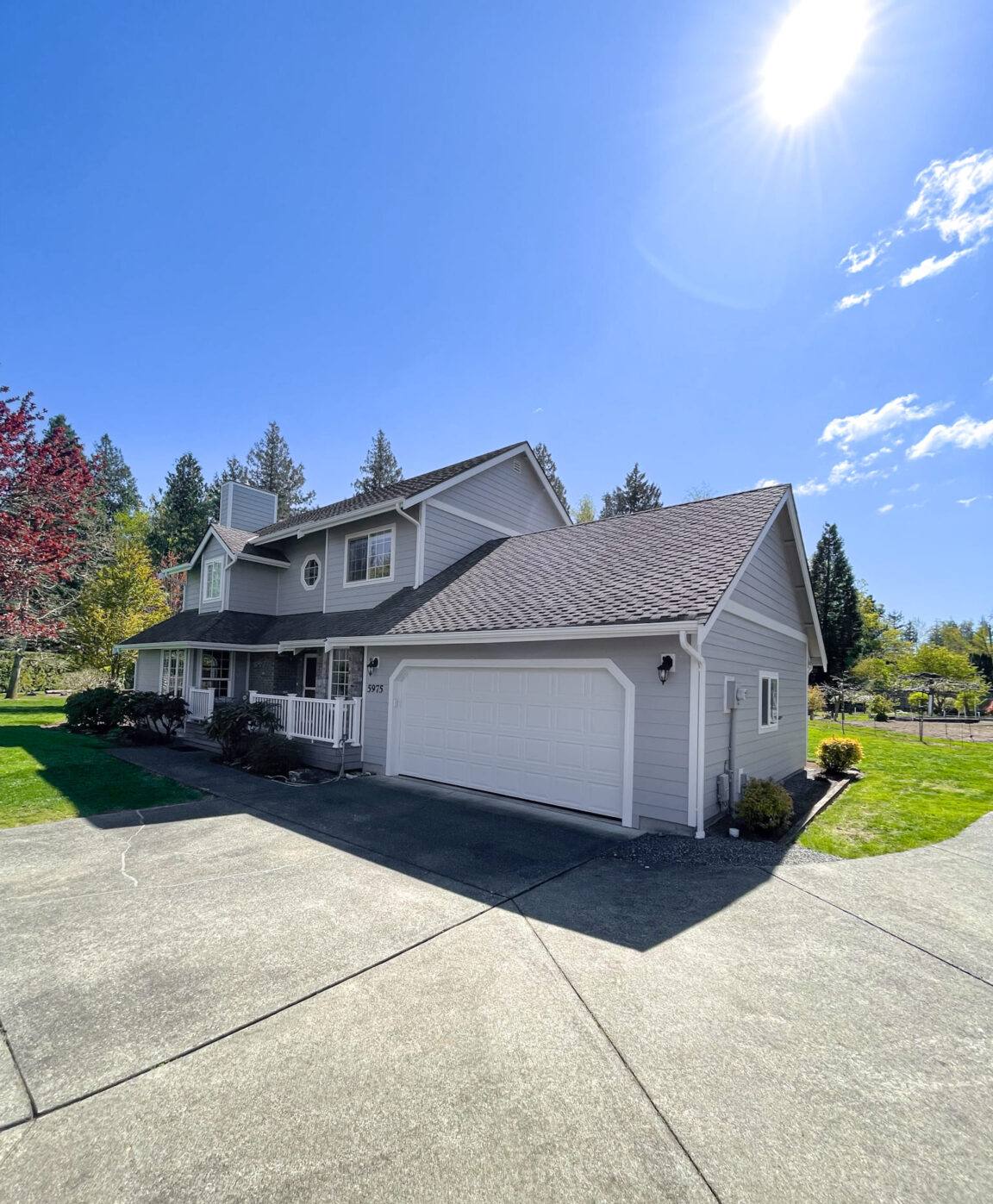
Why Disston Heights' Housing Stock Adds Its Own Challenges
Beyond regional climate, this neighborhood's age and tree canopy create specific conditions worth planning around:
- Older wall assemblies: Many homes were built before current moisture-barrier and flashing standards existed, so a full siding replacement is often the first real chance in decades to correct what's behind the wall, not just what's on it.
- Shade and reduced airflow: Mature oak canopy keeps some walls shaded and slower to dry after rain, which favors mildew, algae staining, and — on materials prone to it — softening.
- Organic debris: Leaves, pollen, and small branches collect against siding and in gutters, holding moisture against the wall surface if not cleared regularly.
- Layered repairs: Homes this age have often seen multiple siding repairs or overlays over the decades, which can hide the true condition of the sheathing underneath until it's opened up.
Signs a Disston Heights Home Needs Siding Replacement, Not Just Repair
Some damage can be patched. Some can't. Knowing the difference before you spend money matters.
- Soft, spongy, or crumbling spots when pressed — usually a sign of moisture already inside the wall assembly
- Persistent dark staining or algae growth that comes back within weeks of cleaning
- Visible cracking, buckling, or warping across multiple panels rather than one isolated spot
- Paint that won't hold — repeated peeling or blistering within a couple of years of repainting
- Gaps opening at seams, corners, or trim after storm season
- Rising interior humidity, musty smell, or peeling interior paint near exterior walls
- Visible fastener corrosion or rust streaking below nail heads
If you're only seeing one or two of these in a small area, targeted repair may still make sense. If you're seeing several at once, or the siding is original to a home built decades ago, replacement is usually the more honest recommendation — and the more cost-effective one over a 10-15 year horizon.
Why We Only Install James Hardie Fiber Cement
We standardized on James Hardie fiber cement siding for every home we work on, including in Disston Heights, and we don't install vinyl, LP SmartSide, or other engineered wood or fiber cement alternatives. That's a deliberate call, not a sales position:
- Non-combustible: Fiber cement doesn't feed a fire the way vinyl or wood-based products can, which matters for insurance and peace of mind alike.
- Built for this climate: Hardie's HZ5 product line is engineered specifically for high-humidity, moisture-prone climates like ours — it resists swelling, cracking, and moisture intrusion better than wood-based composites.
- Factory-cured finish: ColorPlus finish is baked on at the factory under controlled conditions, so it resists the fading and chalking that field-applied paint suffers under constant Florida UV — and it won't need repainting on the same schedule as painted siding.
- Real warranty backing: Hardie's transferable limited warranty is a meaningful commitment on a product, not just marketing language, and it holds up when the install itself is done to spec.
We're upfront that vinyl and engineered wood products have real advantages — vinyl is inexpensive and light, LP SmartSide is easier to cut and handle. But in a climate that combines UV, humidity, wind-driven rain, and salt air, we've found the long-term maintenance burden and failure modes of those products aren't worth the up-front savings for our customers. Fiber cement is what we put on homes, full stop.
What a Correct Siding Replacement Job Actually Involves
Siding replacement isn't just removing old boards and nailing up new ones. Done right, it's a full wall-assembly job:
- Full tear-off: Removing existing siding down to the sheathing so the crew can actually see what's there — not siding over a problem.
- Sheathing inspection and repair: Any rot, soft spots, or water damage found underneath gets addressed before anything new goes up. Skipping this step is the single most common cause of premature siding failure.
- Weather-resistant barrier: A proper moisture barrier goes over the sheathing to manage any water that gets past the siding itself — critical in a wind-driven-rain climate.
- Flashing at every penetration: Windows, doors, vents, and any wall penetration need correct flashing detail so water is directed out and down, not trapped behind the cladding.
- Correct fastening pattern: Hardie siding has specific nailing schedules and clearances that matter for wind resistance — this is exactly where under-qualified installs fail during storms.
- Proper clearances and gaps: Correct spacing at trim, corners, and the foundation line so the assembly can expand, contract, and shed water instead of trapping it.
- Trim and detail work: Corner boards, fascia, and trim finished to match the home's existing lines, not just functionally adequate.
- Final inspection and cleanup: Confirming every seam, fastener, and flashing detail before the crew leaves, and full debris removal from the property.
How Our Process Works
| Step | What Happens |
|---|---|
| 1. On-site assessment | We walk the property, inspect existing siding and any visible trouble spots, and talk through what we're seeing and why. |
| 2. Written estimate | A clear, itemized quote — material line, labor line, and any sheathing repair allowance — so there are no surprises once tear-off starts. |
| 3. Product and color selection | Choosing the right Hardie product line and ColorPlus color for the home's style and the neighborhood's look. |
| 4. Scheduling around weather | Florida's rain and storm patterns get factored into scheduling so tear-off doesn't leave a wall exposed longer than necessary. |
| 5. Tear-off and inspection | Old siding comes off, sheathing gets inspected, and any needed repairs are flagged and priced before we cover anything up. |
| 6. Install to spec | Weather barrier, flashing, correct fastening, and trim — installed to Hardie's published specifications, not shortcuts. |
| 7. Final walkthrough | We walk the finished job with the homeowner before calling it done, and clean the site fully. |
What Drives the Cost of Siding Replacement
Every home is different, but the same handful of factors drive most of the variation in price from one Disston Heights home to the next.
| Cost Factor | Why It Matters |
|---|---|
| Home size and stories | More square footage and multi-story walls mean more material and labor, plus added equipment for upper-level access. |
| Existing siding removal | Removing multiple layers of old siding or dealing with hidden rot takes more time than a clean single-layer tear-off. |
| Sheathing condition | Water damage found underneath old siding has to be repaired before new siding goes on — this is the most common source of scope changes. |
| Product line and profile | Lap siding, shingle-style siding, and panel systems carry different material costs and installation time. |
| Color and finish | Factory ColorPlus finishes cost more up front than field-primed siding but eliminate a repaint cycle for years. |
| Trim and architectural detail | Homes with more corners, dormers, and trim detail take longer to fit and finish correctly. |
| Access and tree cover | Mature landscaping and tight side yards, common in this neighborhood, can add setup and protection time. |
Why Hiring a Crew That Already Works This Neighborhood Matters
Siding replacement isn't a commodity job, and Disston Heights isn't a generic address. A crew that regularly works St. Petersburg's older neighborhoods already knows:
- How to plan tear-off and cover-up around Gulf Coast rain patterns so a home isn't left exposed mid-project
- What to expect when opening up wall assemblies on homes of this age, and how to price for it honestly instead of guessing
- How to fasten and flash for the wind exposure this part of Pinellas County actually sees, not a generic national spec
- How to work around mature trees and tight lot lines without damaging landscaping or losing time
- What local permitting and inspection expect for exterior work in the city of St. Petersburg
A contractor unfamiliar with the area is learning these lessons on your house. One who already works here isn't.
Choosing a Siding Contractor: What to Actually Check
- Florida state contractor license and proof of current liability insurance and workers' comp
- A written estimate that separates material, labor, and any sheathing repair allowance — not a single lump number
- Willingness to explain the fastening and flashing details they'll use, not just the siding brand
- References or past work you can actually see, ideally in similar older-home neighborhoods
- Manufacturer certification or training on the specific product line being installed
- A clear warranty explanation — both the manufacturer's product warranty and the contractor's own workmanship warranty
- No pressure to sign same-day, and no demand for full payment up front
Caring for New Siding in a Disston Heights Yard
Fiber cement siding is low-maintenance compared to wood or vinyl, but "low-maintenance" isn't "no-maintenance" — especially under mature tree canopy. A simple annual routine keeps it performing as designed:
- Rinse siding with a garden hose or low-pressure wash once or twice a year to clear pollen, salt residue, and organic buildup
- Keep tree branches trimmed back from exterior walls so leaves and moisture don't collect against the siding
- Check and clear gutters regularly so overflow doesn't run down the wall surface
- Inspect caulking at trim and penetrations annually and have gaps resealed before they let water in
- Walk the exterior after major storms and note anything that looks loose, cracked, or displaced
If your Disston Heights home is showing its age, or you just want an honest read on what condition your siding is really in, we're happy to take a look. The estimate is free, there's no pressure, and you'll get a straight answer about whether you need a full replacement or just targeted repair — use the form below to get started.