 St. Petersburg Siding
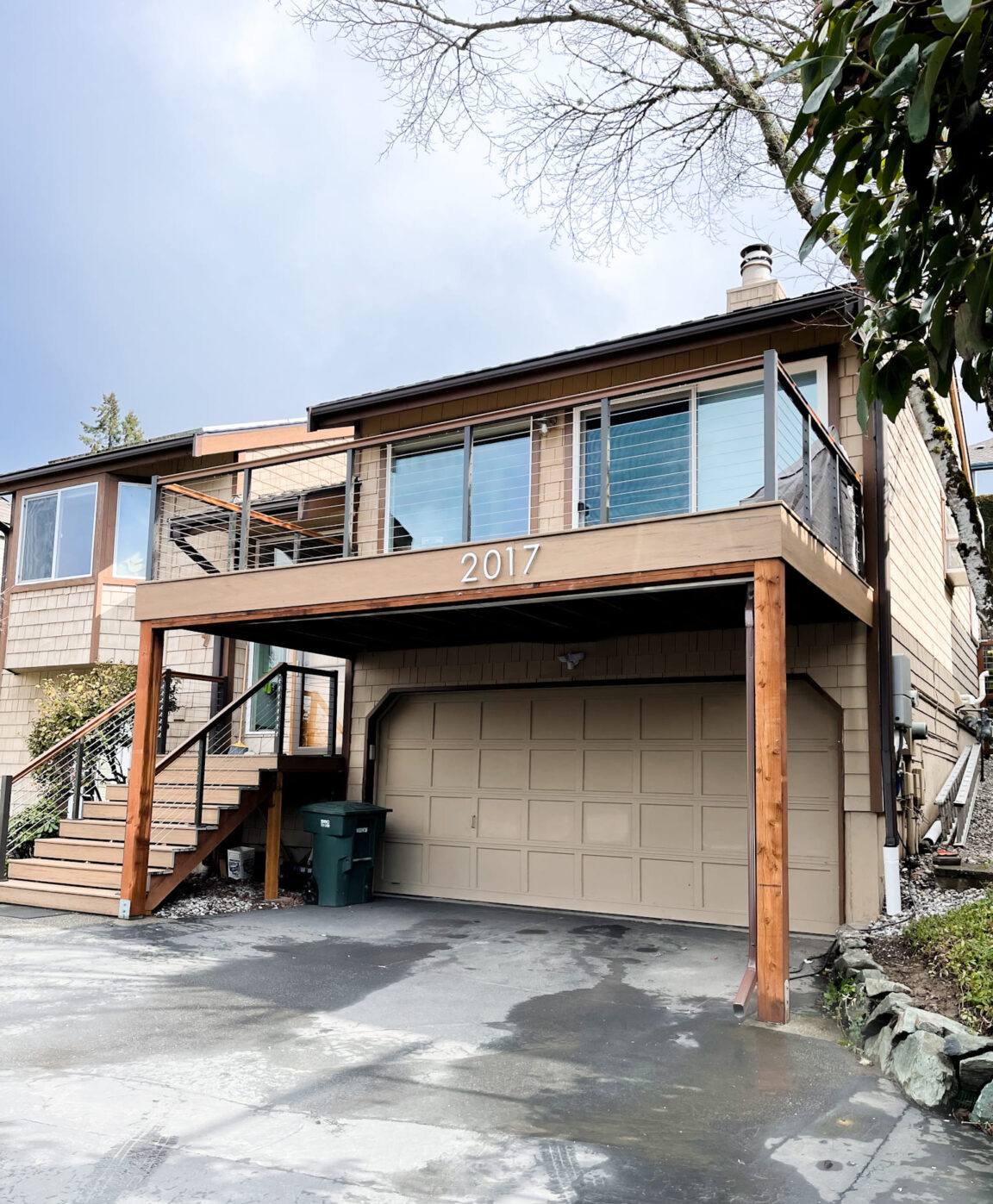
 Deck Replacement Built for Disston Heights Conditions
Disston Heights sits inland from the bay but still takes the full brunt of a St. Petersburg summer — long stretches of intense UV, sudden afternoon downpours, and the humid, salt-tinged air that moves across all of Pinellas County regardless of how far you are from the water. Older decks in this neighborhood, especially the wood-framed ones attached to the area's classic bungalows and mid-century homes, tend to show their age the same way: cupped or splitting boards, soft spots near the ledger board, rust bleeding from old fasteners, and railings that have gone loose or spongy. A deck replacement done right for this area isn't just about swapping old boards for new ones — it's about building a structure that can actually take what the Florida climate throws at it year after year.
Why Decks Fail Faster Here Than in Most of the Country
Every material used outdoors in this region ages under a combination of stresses that few other parts of the country deal with all at once.
- UV exposure: Florida gets some of the highest year-round UV index readings in the continental U.S. Wood fibers break down, sealers fail early, and composite decking can fade or chalk faster than its rated lifespan suggests if it wasn't installed with the manufacturer's UV-rated fasteners and finish.
- Wind-driven rain: Rain in this region rarely falls straight down. It gets pushed sideways into ledger connections, under railing posts, and into end-grain cuts that weren't properly sealed, which is where rot almost always starts first.
- Salt air: Even away from the immediate coastline, salt content in the air corrodes standard fasteners, joist hangers, and bolts over time. Once a fastener starts rusting, it loses holding strength long before the wood around it looks obviously bad.
- Hurricane-force wind loads: A deck isn't just a platform — it's a structure that has to resist uplift and lateral load during tropical storms and hurricanes. Undersized footings, missing hurricane ties, or ledger boards that were never properly through-bolted are common failure points during storm events.
None of this means a deck can't last decades here. It means the design and hardware choices matter more in Pinellas County than they would somewhere with a milder, drier climate.
Signs Your Disston Heights Deck Needs Replacement, Not Just Repair
Not every deck problem calls for a full tear-out. But there's a point where patching individual boards is just delaying a bigger job and spending money on a structure that's already compromised.
Repair Might Be Enough If:
- A handful of boards are cupped, splintering, or discolored but the frame underneath is solid
- Railings are loose at a few posts but the posts themselves aren't rotted at the base
- Fasteners are surface-rusted but not failing under load
Replacement Is the Honest Answer If:
- The ledger board attaching the deck to the house is soft, discolored, or pulling away from the wall
- Joists flex noticeably when walked on, or show soft spots when probed with a screwdriver
- Support posts are rotted at or below grade
- More than a third of the decking boards are failing
- The deck was built without permits or doesn't meet current wind-load and railing code
A soft ledger board is the one we take most seriously — it's the connection point that keeps the entire deck attached to your house, and it's also the hardest area for a homeowner to inspect without pulling boards, since it usually rots from behind, hidden by flashing or siding.
Material Options for a Gulf Coast Climate
There's no single "best" decking material — there's the material that fits your budget, your maintenance tolerance, and how much sun and moisture your specific deck sees. Here's how the common options actually compare for a St. Petersburg install.
| Material | Upfront Cost | Maintenance | How It Handles This Climate |
|---|---|---|---|
| Pressure-treated pine | Lowest | Needs re-sealing every 1–2 years | Affordable and strong, but most prone to UV fading, cupping, and rot if sealing lapses |
| Composite decking | Mid to high | Occasional washing, no sealing | Resists rot and doesn't need re-staining; quality varies a lot by brand, so fastener and ventilation specs matter |
| PVC/capped polymer decking | Highest | Lowest of all options | Fully sealed surface handles humidity and salt air well; more expensive but the least climate-sensitive choice |
| Tropical hardwoods (e.g., ipe) | High | Periodic oiling to maintain color | Naturally dense and rot-resistant, but requires correct fastening and will gray without upkeep |
Whatever surface material you choose, the substructure — joists, beams, posts, and footings — should be pressure-treated lumber rated for ground contact where applicable, fastened with stainless steel or heavily coated corrosion-resistant hardware. This is not the place to cut cost, since it's the part of the deck you won't see again until something fails.
What a Correct Deck Replacement Actually Involves
A deck replacement is a structural project, not a cosmetic one, and it should be treated that way from the first site visit.
Assessment and Design
We check the existing footings, ledger connection, and framing to determine what can be reused (rarely much, on a full replacement) and design the new structure to current wind-load and railing code — not just to match what was there before.
Permitting
Deck replacements in the City of St. Petersburg and unincorporated Pinellas County generally require a permit, particularly for anything attached to the house or built above a certain height. Skipping this step can create real problems later — at resale, with insurance claims after storm damage, or if the structure ever gets inspected.
Demolition and Structural Rebuild
Old decking, railings, and compromised framing come out completely. New ledger boards get properly flashed and through-bolted to the house structure — not just lag-screwed to siding, which is a common shortcut that leads to water intrusion behind the wall. Footings are sized for the actual load and soil conditions, not guessed at.
Decking, Railing, and Fastening
Surface material goes down using the fastener system that material's manufacturer specifies — hidden clips for composite and PVC, corrosion-resistant screws for wood — because the wrong fastener is one of the most common causes of early decking failure in humid, salty climates.
Final Inspection
The completed deck gets a final walk-through against the permit and code requirements before we call the job done.
Our Process for Disston Heights Homeowners
- Free on-site assessment: We look at the current deck's framing, ledger connection, and overall condition, and talk through repair versus replacement honestly.
- Written estimate and material selection: You get clear pricing and a straightforward comparison of material options for your specific deck's sun and moisture exposure.
- Permitting handled for you: We pull the required permits and schedule inspections so you don't have to navigate that process yourself.
- Tear-out and rebuild: Old structure removed, new framing and footings installed to current code, decking and railing installed per manufacturer specs.
- Walkthrough and final inspection: We review the finished deck with you and close out any required permit inspections.
Why Hiring a Crew That Already Works in This Neighborhood Matters
Disston Heights has a specific mix of home ages and construction styles, and a crew that's worked in the neighborhood already understands the common issues — ledger connections into older stucco or wood siding, deck footings poured decades ago to older standards, and the general condition of a structure that's spent 20, 30, or more years under Florida sun and rain. That familiarity means fewer surprises once demolition starts, and it means the permitting conversation with the county or city goes faster because we already know what inspectors are looking for on these types of jobs.
It also matters for accountability. A contractor working across the whole Pinellas County area, including St. Petersburg neighborhoods like Disston Heights, has a reputation to protect locally — which is a different incentive than a crew that drives in from out of the area for one job and doesn't expect to be back.
A Practical Checklist Before You Hire Anyone
- Ask to see the contractor's Florida license and current liability insurance — verify, don't just take their word for it
- Ask specifically what fastener and hardware corrosion rating they use — "stainless" and "coated" are not the same thing
- Confirm in writing whether the price includes permitting and inspections
- Ask how the ledger board will be flashed and attached — this is the single most important connection on the deck
- Get the footing depth and post spacing in writing, not just a verbal assurance it will "meet code"
- Ask what happens if they find rot or damage once demolition starts, and how that's priced
Maintenance After Your New Deck Is Installed
Even the most climate-resistant materials benefit from basic upkeep in this environment.
- Rinse salt residue and organic debris off the deck surface periodically, especially after storms
- Re-seal pressure-treated wood decking on the schedule the sealer manufacturer recommends — typically every 1–2 years in this climate, not the 3+ years often quoted for drier regions
- Check railing posts and stair connections annually for looseness, which shows up before visible rot does
- Keep gutters and downspouts directing water away from deck footings rather than onto them
If you're dealing with a tired, soft, or storm-damaged deck in Disston Heights, we're happy to take a look and give you an honest read on repair versus replacement. There's no pressure and no obligation — just a straight answer and a written estimate, using the form below.