 St. Petersburg Siding
 Why Disston Heights Homes Need Windows Built for This Climate
Disston Heights sits inland from the bay but still takes the full brunt of what St. Petersburg weather throws at a house every year. Hurricane-force winds test the seal and anchoring of every window opening. Intense, near-constant UV breaks down frame materials, seals, and glazing compounds faster than in most of the country. Wind-driven rain finds any gap in flashing or sealant and pushes water sideways, not down. And even this far from the immediate coastline, salt-laden air drifting off Tampa Bay and the Gulf accelerates corrosion on hardware, screens, and fasteners. A window that was built for a mild inland climate somewhere else simply doesn't hold up here, and a window that was installed correctly but with the wrong product for this exposure won't either.
Custom windows aren't a luxury upgrade in this context — they're the only way to get openings that actually fit your home's rough openings, meet current wind and impact requirements, and hold a tight seal season after season. When we work in Disston Heights, we're sizing, specifying, and installing for this specific set of conditions, not a generic national spec sheet.
What "Custom" Actually Means
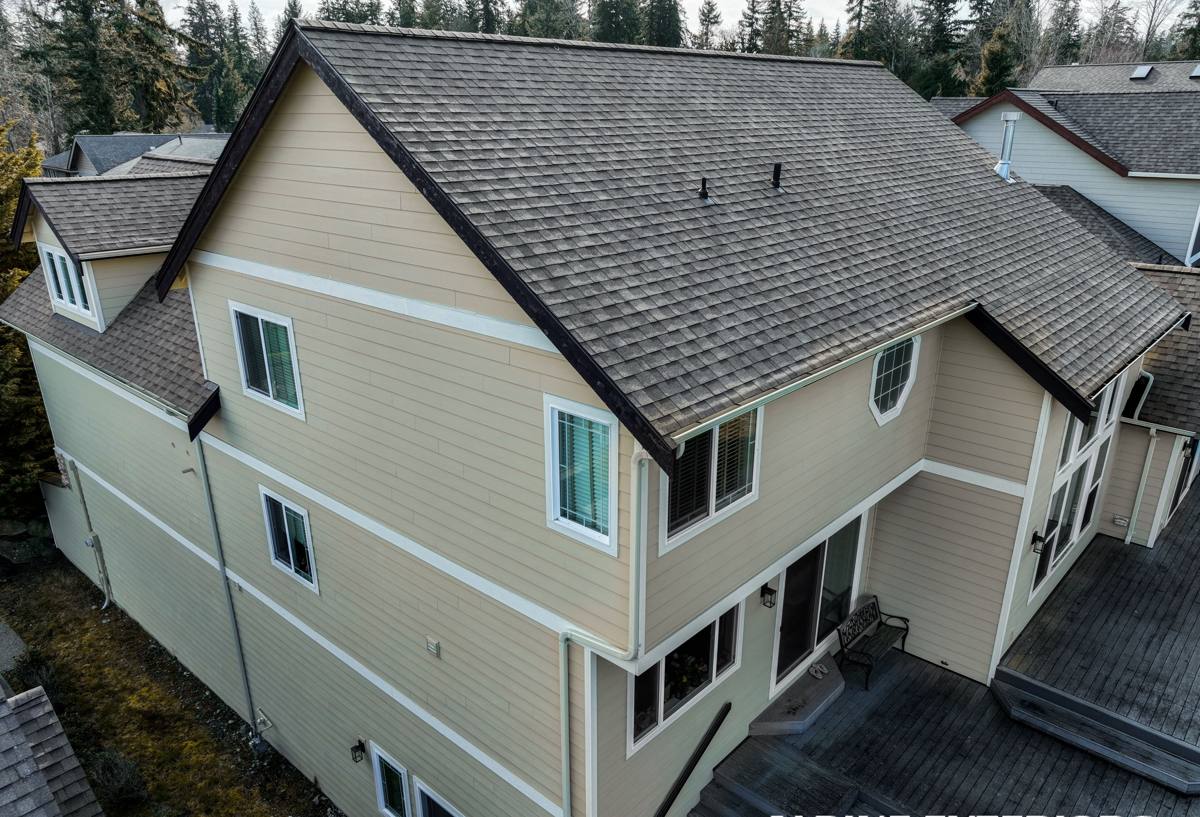
Custom doesn't just mean a non-standard size, though that matters — a lot of homes in this part of St. Petersburg have openings that don't match current stock dimensions, especially if the house has settled or been modified over the decades. Custom windows means the entire package is matched to the opening and the exposure:
- Exact frame dimensions measured and built for your rough opening, not trimmed down from a stock size
- Frame material chosen for durability against UV and salt air, not just upfront price
- Glass package specified for solar heat gain, UV blocking, and wind-borne debris protection
- Hardware rated to hold up against corrosion and repeated use in humid, salty conditions
- Trim and interior detailing that matches the rest of the house instead of looking bolted-on
Skipping any one of these turns a "custom" window into an expensive version of a standard one that still won't perform the way it should.
Florida Building Code and Wind Requirements
Pinellas County falls under Florida Building Code wind-borne debris requirements, which means replacement and new windows generally need to be rated for impact resistance or paired with approved protection, and anchored per code for the wind pressures this area sees. This isn't paperwork for its own sake — it's the difference between a window that stays in its opening during a bad storm and one that doesn't. Any legitimate custom window job in Disston Heights starts with confirming what's required for your specific address and structure type, then specifying product that meets or exceeds it. We handle that as part of the process rather than leaving it for the homeowner to sort out with the permit office.
Permitting also matters for resale. Window replacement done without the correct permit and inspection can become a problem when a home sells, even years later. We pull permits and schedule inspections as a normal part of the job.
What This Means for an Older Home
Many homes in established St. Petersburg neighborhoods were built before current wind and impact standards existed. That's not a problem — it's simply the reason a window replacement here is a code-driven project, not a cosmetic swap. Bringing older openings up to current standards is one of the most meaningful durability upgrades a homeowner can make to a house of this age.
Frame Material Options
There's no single "best" frame material for every home — it depends on your budget, the exposure of each elevation, and how much upkeep you want to do. Here's how the common options actually perform in a Pinellas County coastal climate:
| Frame Material | UV / Sun Performance | Salt Air Resistance | Maintenance |
|---|---|---|---|
| Vinyl | Good with quality-grade compounds; lower-grade vinyl can yellow and warp over years of Florida sun | Very good — won't corrode | Low — occasional cleaning |
| Aluminum | Very good, holds shape well in heat | Requires marine-grade finishes or coatings to resist pitting near the coast | Moderate — finish needs monitoring |
| Fiberglass | Excellent — very stable dimensionally in heat and UV | Excellent | Low |
| Wood-clad | Good on the exterior clad side; interior wood needs protection from humidity | Moderate — cladding protects the wood but seams need attention | Higher — interior finish upkeep |
We won't push a wood-clad window on an exposed elevation in this climate without an honest conversation about the maintenance commitment — humidity and salt air are unforgiving on any product with an exposed wood component, and we'd rather you know that going in than deal with a warranty conversation five years from now.
Glass Packages: Heat, UV, and Storm Protection
The glass does more work than the frame in most Florida homes. A few things worth understanding before you pick a package:
Impact-Rated Glass
Laminated impact glass stays in one piece and stays in the opening when struck by wind-borne debris, which is the actual threat during a hurricane. It also blocks a meaningful amount of UV and adds a layer of sound dampening as a side benefit.
Low-E Coatings
Low-emissivity coatings reduce solar heat gain, which matters directly to your cooling bill in a climate where the AC runs most of the year. Not all Low-E coatings are tuned the same way — some prioritize heat rejection over visible light, and the right balance depends on which direction the window faces.
Impact Film as an Alternative
Where full impact-rated glass isn't in the budget, a code-approved protective film applied to standard glass can meet wind-borne debris requirements on some openings. It's a legitimate option in the right situation, but it's not interchangeable with laminated impact glass in every case — we'll tell you plainly when it is and isn't appropriate for a given opening.
Our Installation Process
- On-site assessment — we measure every opening individually, check for water intrusion history, framing condition, and existing code compliance
- Product selection — frame material, glass package, and hardware chosen for that opening's exposure and your budget
- Permitting — we pull the required permits with Pinellas County/St. Petersburg before work starts
- Removal and prep — old windows removed, opening inspected and repaired if there's rot or water damage underneath
- Flashing and sealing — this step gets the most callbacks in this trade when it's rushed; proper flashing is what actually keeps wind-driven rain out, not just caulk at the trim
- Installation and anchoring — windows set plumb, level, and anchored to the wind-load specification for that opening
- Final inspection — county/city inspection scheduled and passed, documentation kept for your records
Every one of those steps matters, but flashing and sealing is where a rushed job fails first in this climate. A window can be expensive, impact-rated, and still leak within a year or two if that step was cut short.
Maintenance in a Coastal-Adjacent Climate
Even the best window benefits from basic upkeep here. A simple annual routine goes a long way:
- Rinse frames and tracks periodically to clear salt residue, especially on west- and south-facing elevations
- Check weep holes for debris so water can drain properly out of the frame
- Inspect exterior caulk and sealant lines yearly for cracking or separation
- Lubricate hardware on operable windows to keep locks and cranks from seizing
- Watch for condensation between panes on insulated glass, which signals a failed seal
Cost Factors to Understand
| Factor | Why It Moves the Price |
|---|---|
| Impact rating | Laminated impact glass costs more than standard glass but often removes the need for separate storm shutters |
| Frame material | Fiberglass and higher-grade vinyl generally cost more upfront than basic aluminum or entry-level vinyl |
| Opening size and count | Custom sizing and larger openings (picture windows, large fixed panes) add cost per unit |
| Structural repair | Rot or water damage found during removal adds labor before the new window can even go in |
| Trim and finish work | Matching existing interior/exterior trim detail adds finish carpentry time |
We give a written, itemized estimate before any work starts so you can see exactly what's driving the number — no vague lump sums.
Why a Crew That Already Works Disston Heights Matters
Every neighborhood in the St. Petersburg area has its own quirks — typical construction era, common framing issues, drainage patterns, and permitting expectations from the local building department. A crew that's already done window work on homes like yours in this specific area isn't guessing at wind-load requirements or improvising a flashing detail for the first time. That familiarity shows up in fewer surprises during removal, a smoother permit process, and a final install that's actually built for what your house sees every hurricane season — not a generic installation applied the same way regardless of climate or code.
If you're weighing window options for a home in Disston Heights, we're happy to walk the property, look at your existing openings, and put together a straightforward, no-pressure estimate — just fill out the form below.