 St. Petersburg Siding
 Why Decking Choices Matter More in Disston Heights Than Most Places
Disston Heights is an established St. Petersburg neighborhood, and like most of Pinellas County it sits in a climate that's harder on outdoor structures than almost anywhere else in the country. A deck here isn't just furniture for the backyard — it's exposed to months of direct, high-angle sun, sudden downpours that can dump an inch of rain in twenty minutes, salt-laden air drifting in off Tampa Bay and the Gulf, and the occasional tropical system with sustained winds strong enough to rack a poorly fastened frame. Wood decking that would hold up fine in a drier, cooler climate tends to cup, gray, and loosen its fasteners here within a few seasons. That's the backdrop for every decision we make on a composite deck build in this part of St. Petersburg — the board, the frame, and the fasteners all have to be chosen with that punishment in mind, not just for looks on installation day.
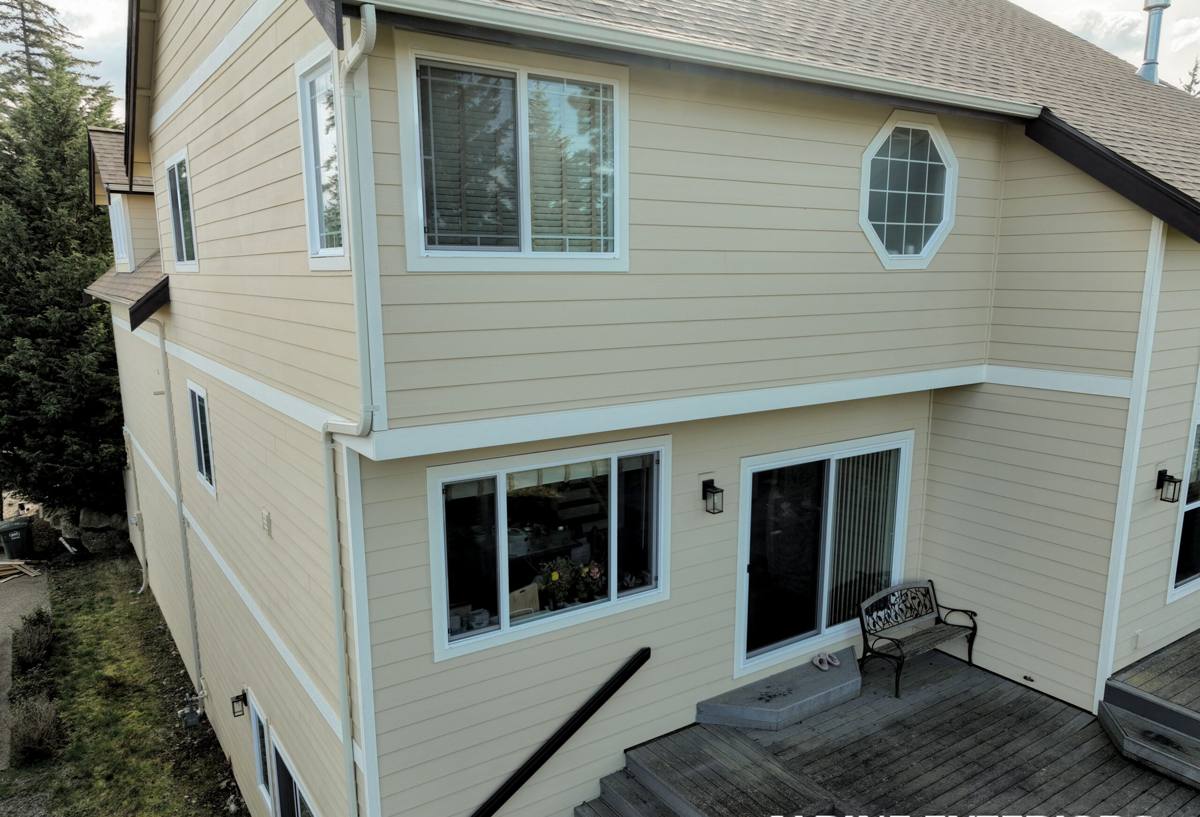
What Composite Decking Actually Solves for Local Homeowners
Composite decking is a manufactured board — typically a blend of wood fiber and recycled or virgin plastic — engineered to resist the things that wear wood down fastest: moisture absorption, UV fading, and insect damage. In a Gulf Coast climate, that combination matters more than the marketing usually lets on.
Composite vs. Wood in This Climate
Pressure-treated wood decking is cheaper up front, but it needs annual or biannual sealing to hold up against Pinellas County's humidity and rain cycles, and even well-maintained wood will eventually cup, splinter, or host mildew in shaded, poorly ventilated spots. Composite costs more initially but doesn't need sealing or staining, resists the moisture swings that cause wood to warp, and holds its color better under sustained UV exposure — though "better" doesn't mean immune, which is why board selection still matters (more on that below).
Where Composite Isn't Automatically the Right Call
We'll say this plainly: composite isn't the right fit for every budget or every deck. If you want a natural wood look with the lowest possible material cost and you're willing to commit to a real maintenance schedule, wood is still a legitimate choice. Composite makes the most sense when you want to minimize upkeep over a 15-25 year span and you're comfortable with the higher upfront investment. We'll tell you honestly which fits your situation instead of pushing one product because it's what we happen to be installing that week.
What a Correct Composite Deck Installation Actually Involves
The board itself gets most of the attention, but in this climate the structure underneath and the hardware holding it together determine whether the deck lasts fifteen years or needs rebuilding in five.
The Substructure
Composite boards are heavier than wood and behave differently under load and thermal movement, so joist spacing has to match the manufacturer's specification for the board profile you're using — not the spacing you'd use for a standard wood deck. In humid, ground-level applications common around Disston Heights' older lots, we use pressure-treated or coated framing lumber and joist tape to keep moisture from wicking into the top of the joists where composite boards sit, which is one of the most common places we see rot start on decks that were framed for wood but never adjusted for composite loads.
Fasteners and Hardware
Salt air corrodes standard fasteners faster than most homeowners expect, even at distances several miles inland from the bay. We use stainless steel or coated, corrosion-rated hardware throughout — hidden fastener clip systems where the board profile supports them, or color-matched composite screws where it doesn't. Mixing in cheap or mismatched fasteners is one of the most common shortcuts we see on older decks brought to us for repair, and it's almost always what causes the first visible failures.
Ledger Attachment and Flashing
Where the deck attaches to the house, proper flashing is non-negotiable. Wind-driven rain in this region finds any gap in a ledger board connection, and a poorly flashed ledger is a slow-motion path for water into the home's rim joist and siding. This is also a structural safety point — the ledger connection carries a significant share of the deck's load, and it needs to be bolted and flashed correctly, not just nailed.
How We Approach a Disston Heights Composite Deck Project
- On-site assessment: We look at the existing structure (if replacing a deck), grade and drainage around the footprint, sun exposure, and how the space is actually used before recommending a board type or layout.
- Design and material selection: We walk through board profiles, color options, and railing systems, and give you a straight comparison of trade-offs rather than steering you toward the highest-margin product.
- Permitting: Deck construction in Pinellas County and the City of St. Petersburg typically requires a building permit and inspection, since it involves structural framing and, often, guardrails. We handle that process as part of the job.
- Framing and structural work: Footings, posts, and joists sized and spaced for the composite board load and local wind requirements.
- Board installation: Proper expansion gaps, fastening pattern, and picture-framing or border details if part of the design.
- Final walkthrough: We check fastener finish, board alignment, and railing stability with you before calling the job done.
Choosing Boards and Colors for Florida Sun
Not all composite decking handles year-round, high-angle Florida UV the same way, and this is where board selection has the biggest long-term impact on how the deck looks five and ten years out.
Capped vs. Uncapped Composite
Capped composite boards have a polymer shell wrapped around the wood-plastic core, which resists staining, fading, and moisture penetration far better than uncapped boards, where the core is exposed to weather. In a climate with this much sustained UV and rain, we generally steer homeowners toward capped composite for anything other than a tight budget project, because uncapped boards tend to show their age faster here than in milder climates.
Color and Heat
Darker composite boards absorb more heat and can get uncomfortably hot underfoot on a July afternoon in St. Petersburg — something worth factoring in if you or your family walk the deck barefoot regularly. Lighter and mid-tone colors run noticeably cooler and also tend to show less visible fading over time since there's less color contrast as the board ages.
Cost Factors on a Composite Deck Project
| Factor | Why It Moves the Price |
|---|---|
| Board tier (uncapped vs. capped) | Capped boards cost more per square foot but need less long-term upkeep and resist Florida UV and moisture better |
| Deck height and footings | Elevated decks need deeper footings, more framing lumber, and often stairs and additional railing |
| Substructure condition | Replacing rotted or undersized existing framing adds labor and material before the new decking even goes down |
| Railing system | Composite or aluminum railing costs more than basic wood but matches the low-maintenance goal of a composite deck |
| Layout complexity | Curves, multiple levels, or picture-framed borders add cutting time and waste factor |
| Permit and inspection scope | Larger or elevated decks may require engineered drawings, which adds cost but is often required by code |
We won't quote a price without seeing the site, but we'll walk you through exactly which of these factors are driving your number so there are no surprises.
Maintaining a Composite Deck in a Salt Air, High-UV Environment
Composite decking is marketed as "low maintenance," not "no maintenance," and that distinction matters more here than in drier climates. A little regular care keeps a composite deck looking good for its full service life.
- Rinse or sweep off salt residue, pollen, and organic debris regularly, especially after windy stretches
- Wash the deck surface a few times a year with mild soap and water to prevent mildew film in shaded or low-airflow areas
- Keep gutters and nearby drainage clear so water isn't pooling against the deck's edge or ledger board
- Check railing posts and fastener points annually for looseness, especially after hurricane season
- Trim back overhanging vegetation to reduce moisture retention and debris buildup on the board surface
- Avoid dragging metal furniture legs or grills directly on the board surface to prevent scratching the cap layer
Why Hiring a Crew That Already Works This Neighborhood Matters
Deck work in an established St. Petersburg neighborhood like Disston Heights comes with practical realities a crew unfamiliar with the area can miss: older homes may have framing or ledger conditions that don't match current code and need to be addressed during the tie-in, mature landscaping can affect access and drainage planning, and permitting timelines and inspection expectations with the City of St. Petersburg move more predictably when a contractor has already been through the process nearby. A crew that regularly works this part of Pinellas County also has a realistic sense of how the local climate actually treats different board and fastener choices over time, not just what a manufacturer's spec sheet claims.
Signs Your Current Deck Needs Attention
If you're deciding between repairing an existing deck and replacing it with composite, a few warning signs usually settle the question:
- Soft or spongy spots in wood decking, which usually indicate rot has already reached the framing
- Rust streaks around fastener heads, a sign the original hardware wasn't rated for this environment
- Visible gaps or movement where the ledger board meets the house
- Cupping, splintering, or graying boards despite regular sealing
- Railing posts that flex or wobble under normal weight
Any of these are worth a professional look before the next storm season rather than after.
If you're weighing a new composite deck or replacing an aging one in Disston Heights, we're happy to take a look and walk you through honest options for your budget and how the space gets used. Fill out the form below for a free, no-pressure estimate.