 St. Petersburg Siding
 Why Windows Work Harder in Coquina Key
Coquina Key sits on reclaimed land along Tampa Bay in southeast St. Petersburg, built out mostly with canal-front and near-water single-family homes from the 1960s and 70s. That waterfront setting is part of what makes the neighborhood desirable, and it's also exactly why windows here age faster than they would ten miles inland. Homes on or near the canals take direct exposure to salt-laden air, wind-driven rain off the bay, and the kind of storm winds that Pinellas County sees every hurricane season. Add in Florida's relentless year-round UV, and a window that's a good fit in a landlocked subdivision may not hold up the same way a few blocks from Coquina Key's waterways.
None of that means Coquina Key needs exotic products. It means the window, the installation method, and the sealing details all have to be chosen with that combination of stressors in mind — not just picked off a showroom floor because it looked good.
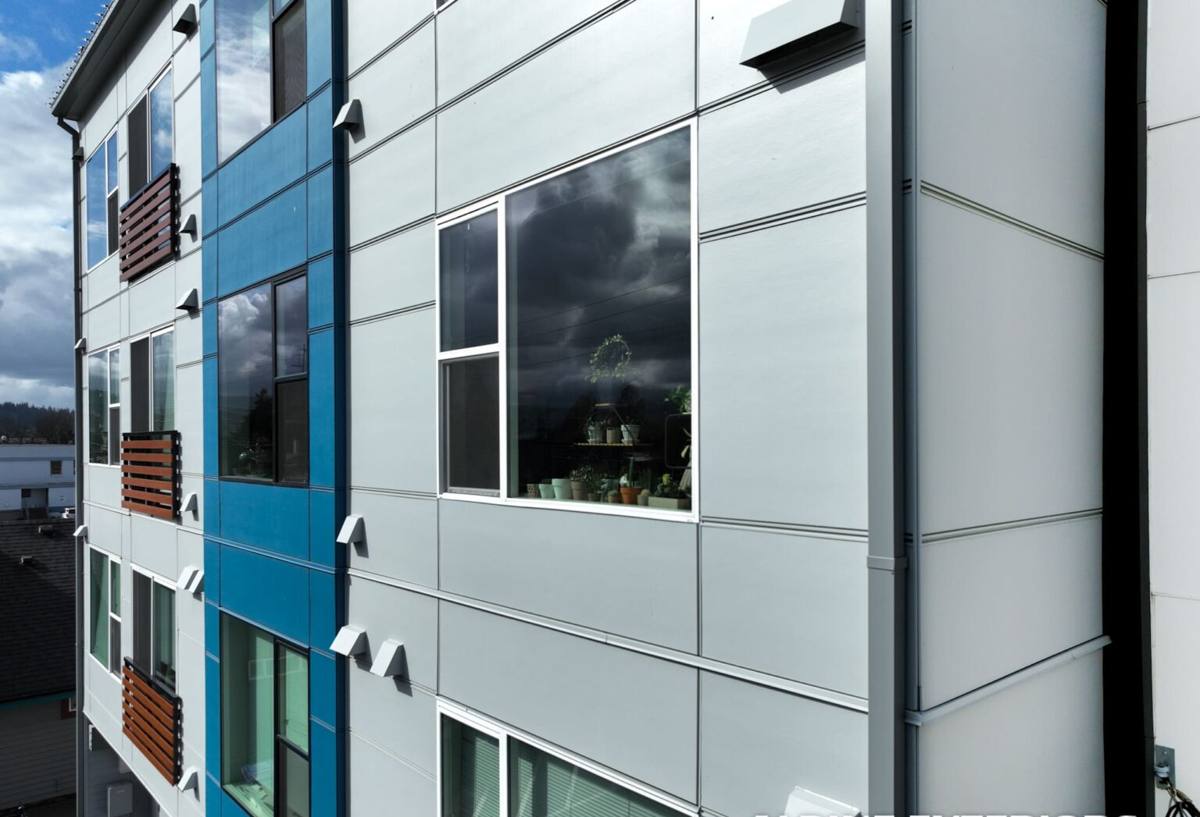
What Coquina Key Homes Actually Need From a Window
Age and Construction of the Housing Stock
Many Coquina Key homes still have original single-pane aluminum-frame windows from their original construction era, or a first-generation replacement installed decades ago. Aluminum frames conduct heat, corrode faster in salt air, and were never engineered to today's wind-load or impact standards. If your home still has its original windows, you're not just due for an upgrade in looks — you're carrying real exposure every storm season.
Wind and Water, Not Just One or the Other
The bigger risk on a waterfront lot usually isn't the wind alone — it's wind-driven rain finding its way past a frame that wasn't sealed and flashed correctly. A window can be rated for the right wind pressure and still leak if the installation around it is wrong. That's why we treat the window and the installation as one system, not two separate jobs.
Salt Air and Corrosion
Proximity to the bay and the canal system means more airborne salt than a typical inland St. Petersburg property. Over years, that accelerates corrosion on hardware, fasteners, and lower-grade metal components. Frame material and hardware finish matter more here than they would across town.
Impact-Rated vs. Non-Impact Windows: What's Actually Called For
Pinellas County follows Florida Building Code wind provisions, and coastal, exposed properties like much of Coquina Key are more likely to fall into higher wind-pressure design categories. That doesn't automatically mean every home needs impact glass, but it does mean the correct pressure rating and, where applicable, opening protection has to be verified for your specific address and exposure — not assumed from a neighbor's house.
| Option | What It Does | Trade-offs |
|---|---|---|
| Impact-rated windows | Laminated glass stays intact under impact and pressure cycling; often removes the need for separate shutters | Higher upfront cost; heavier units require a properly reinforced opening |
| Non-impact windows + separate shutter system | Meets code with removable or permanent shutter protection during storms | Requires action before every storm; shutters add their own maintenance |
| Non-impact windows, no shutters (inland, low-exposure only) | Lowest upfront cost where code and exposure allow | Not appropriate for most direct waterfront or high-exposure Coquina Key lots |
We'll tell you plainly which category your home falls into rather than upselling impact glass where it isn't needed, or letting you under-spec a home that genuinely needs it.
What a Correct Installation Actually Involves
The window product is maybe half the job. The other half is everything around it, and it's the half that's invisible once the trim goes back on — which is exactly why it's the part that gets rushed by installers who don't know the area or don't want to slow down.
- Removing the old window without damaging the rough opening or surrounding stucco/wall assembly
- Inspecting the opening for existing water damage, rot, or deteriorated framing before anything new goes in
- Confirming the opening is square, level, and properly sized for the new unit
- Installing correct flashing and a weather-resistant barrier so water is directed out, not trapped behind the frame
- Using fasteners and anchoring appropriate to the wall type (block/CBS vs. frame) and rated for the required wind load
- Sealing with the correct sealant at every joint — not just a bead around the visible trim
- Confirming the finished unit operates correctly and closes with a tight, even seal
- Pulling the required permit and passing inspection where the scope requires it
Skip or rush any one of those steps and the window itself becomes almost irrelevant — a top-tier impact unit installed with bad flashing will still let water in during the next wind-driven rain event.
Our Process on a Coquina Key Job
1. On-Site Assessment
We look at your actual exposure — how close you are to open water, prevailing wind direction, condition of the existing openings — not just a generic neighborhood assumption. We measure openings and check for any framing issues that need addressing before a new window goes in.
2. Product and Spec Recommendation
Based on that assessment and your home's wind-load requirements, we recommend the frame material, glass package, and impact category that actually fits — and explain why, including the trade-offs of each option.
3. Permitting
Window replacement in Pinellas County typically requires a permit, and coastal/wind-sensitive scopes usually mean inspection sign-off matters more, not less. We handle the permit process so the paperwork trail matches what's actually installed.
4. Removal and Installation
Old units come out carefully to protect the surrounding wall. New units go in with correct flashing, sealing, and anchoring for your wall construction, whether that's block or frame construction common to the area.
5. Inspection and Walkthrough
We test operation, check seals, and walk the finished openings with you before calling the job done — and again once the local inspection (where required) has signed off.
Frame Materials: What Holds Up Near the Water
| Frame Material | Salt Air Performance | Maintenance |
|---|---|---|
| Vinyl | Does not corrode; good baseline for most Coquina Key homes | Low; occasional cleaning |
| Aluminum (modern, coated) | Better than older bare aluminum, but still more corrosion-prone than vinyl near open water | Moderate; hardware and finish need periodic attention |
| Fiberglass | Very good corrosion resistance and dimensional stability | Low; higher upfront cost |
We don't push a single "best" material on every home — the right call depends on your budget, the home's architectural style, and how directly exposed the opening is to wind and salt spray off the water.
What Affects Cost
We won't quote a number without seeing the openings, but these are the factors that actually move the price on a Coquina Key job, whether you're getting quotes from us or anyone else:
| Factor | Why It Matters |
|---|---|
| Impact vs. non-impact glass | Impact-rated laminated glass costs more per unit than standard tempered/insulated glass |
| Frame material | Vinyl, aluminum, and fiberglass carry different material costs |
| Wall construction (block vs. frame) | Anchoring method and labor differ between CBS and wood-frame walls |
| Existing damage found at removal | Rot or water damage behind the old opening adds repair scope before the new window can go in |
| Number and size of openings | Larger or unusually shaped windows require more labor and sometimes custom sizing |
| Permitting and inspection requirements | Scope tied to structural wind-load compliance carries more documentation and inspection steps |
Why a Crew That Already Works Coquina Key Matters
A contractor who's worked in this neighborhood already knows the housing stock's age, the block vs. frame construction split, and what wind exposure actually looks like on a canal lot versus a few streets back. That's not something you can fully substitute with a generic checklist — it changes how the opening gets inspected and what gets flagged before installation, not just what's installed.
When you're vetting anyone for this work — us included — these are worth confirming up front:
- Florida contractor license and proof of current insurance
- Familiarity with Pinellas County permitting for window replacement
- A clear explanation of which wind-load/impact category applies to your specific address, not a blanket answer
- Written scope covering removal, flashing, sealing, and anchoring method — not just "install window"
- Manufacturer warranty terms explained, including what's covered by the installer vs. the manufacturer
- Willingness to pull permits and stand behind an inspection, rather than suggesting you skip that step
Living With the Result: Basic Upkeep in a Salt-Air Environment
A correctly installed window in Coquina Key still benefits from some routine attention given the climate. Rinsing accumulated salt residue off frames and hardware periodically helps slow corrosion, especially on homes closer to the water. Checking exterior sealant for cracking after major storm seasons catches small gaps before they become leaks. And keeping an eye on operation — hardware that starts sticking or windows that no longer close evenly — is usually the first sign worth having looked at before it becomes a bigger repair.
If you're weighing whether it's time to replace aging windows on your Coquina Key home, or you want a straight answer on what wind and impact requirements actually apply to your address, we're glad to take a look. Request a free, no-pressure estimate using the form below — we'll assess your home's actual exposure and give you honest options, not a one-size-fits-all pitch.