 St. Petersburg Siding
 Coquina Key sits on a low-lying, canal-laced peninsula on the south side of St. Petersburg, and that location shapes what a roof out there actually needs to survive. Homes here take on more than the average Pinellas County house: near-constant humidity off the water, salt-laden air that eats at exposed metal, intense UV exposure almost every day of the year, and the real possibility of hurricane-force wind and wind-driven rain during storm season. A new roof installed for a Coquina Key home isn't just about picking a shingle color — it's about building an assembly that holds up to all of that at once.
This page covers what a correct new roof installation looks like specifically for this neighborhood: the local risk factors, the materials and methods that make sense here, how our process runs from first call to final inspection, and why working with a crew that already knows the streets and permitting process in this part of St. Petersburg makes a real difference.
What Coquina Key's Climate Does to a Roof
Every roof in Tampa Bay deals with sun, rain, and wind. Coquina Key's waterfront position adds a few extra layers of stress that a homeowner should understand before choosing materials or a contractor.
Wind and Storm Exposure
Being surrounded by open water on multiple sides means less friction to slow down wind before it reaches the house. That matters most during tropical systems, when gusts can pull at loose or improperly fastened roofing before rain ever gets involved. Wind doesn't have to reach hurricane strength to do damage — it just needs a starting point, like a lifted shingle edge or an under-fastened ridge cap, to work with.
Salt Air and Corrosion
Salt in the air settles on every exposed surface, including roof vents, flashing, fasteners, and any exposed metal trim. Standard-grade metal components corrode faster this close to the water than they would a few miles inland. Over time, corrosion at a fastener or flashing seam is exactly where leaks start.
UV and Heat
Florida sun breaks down roofing materials from the top down — UV exposure dries out asphalt shingles, degrades sealants, and accelerates granule loss. A roof here works harder, every single day, than the same roof would in a milder climate.
Humidity and Wind-Driven Rain
Storms in this area don't just bring rain straight down — wind pushes it sideways and up under roof edges, ridge caps, and any gap in flashing. A roof that only sheds water well in calm conditions isn't enough here; the underlayment and flashing details have to hold up when rain is coming in sideways.
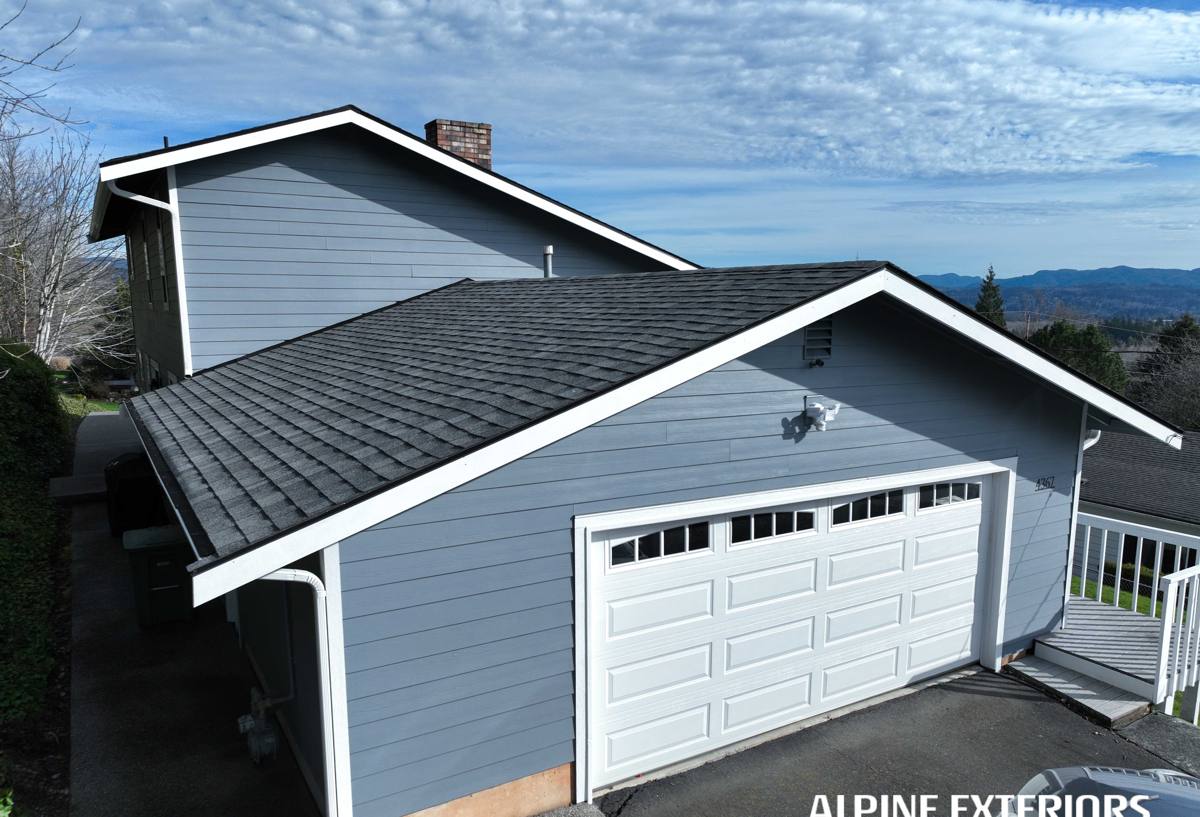
What a Correct New Roof Installation Includes
A roof is a system, not just a covering. Skipping or shortcutting any layer weakens the whole assembly, and in a wind- and rain-exposed spot like Coquina Key, weak points get found quickly.
- Tear-off and deck inspection: full removal of the old roofing so the deck can actually be inspected — not just a fastener check through existing shingles.
- Deck repair: any soft, delaminated, or water-damaged plywood or OSB replaced before anything new goes down.
- Underlayment: a synthetic or self-adhered underlayment suited to wind-driven rain exposure, installed with proper overlaps and fastening pattern.
- Flashing: new flashing at every roof-wall intersection, valley, and penetration — chimneys, plumbing stacks, skylights — rather than reusing old flashing.
- Ventilation: intake and exhaust balanced correctly so heat and moisture don't build up in the attic, which shortens the life of both the roof and the deck underneath it.
- Wind-rated fastening: nailing pattern and fastener count that meets current wind-uplift requirements for this region, not just the manufacturer's minimum.
- Ridge and hip detailing: properly capped and sealed, since these are the highest-exposure points on the roof during high wind.
- Final inspection and cleanup: magnetic sweep for stray fasteners, full site cleanup, and documentation for permitting and warranty.
Choosing Materials for a Waterfront Property
There's no single "best" roofing material for every home — it depends on budget, roof style, and how much long-term maintenance a homeowner wants to take on. What we do steer Coquina Key clients toward is anything with a strong wind rating and proven performance in salt-air, high-UV conditions.
| Material | Typical Lifespan | Wind Performance | Salt Air / Maintenance Notes |
|---|---|---|---|
| Architectural asphalt shingle | 20–30 years | Good, with high-wind-rated products and proper fastening | Low maintenance; UV and granule wear are the main long-term factors |
| Standing seam metal | 40–50+ years | Excellent when properly installed | Choose coastal-grade fasteners and finishes to resist salt corrosion |
| Concrete or clay tile | 40–50+ years | Very good, but individual tiles can dislodge in extreme wind if not properly attached | Underlayment condition matters more than the tile itself over time |
| 3-tab asphalt shingle | 15–20 years | Lower wind rating than architectural shingles | We generally don't recommend this tier for exposed waterfront homes |
We don't install every product on the market, and that's intentional. Some lower-tier materials or systems ask more of the installation crew to perform correctly, or carry maintenance and moisture-management trade-offs that don't make sense for a home exposed to this much wind and salt. When we steer a homeowner away from an option, it's because of that trade-off — not because the product has no legitimate use anywhere.
Permitting and Code Requirements Around St. Petersburg
Pinellas County and the City of St. Petersburg require a permit and inspection for full roof replacements, and current Florida Building Code wind-uplift and fastening standards apply to every new roof, regardless of what was there before. This isn't paperwork for its own sake — it's what actually gets checked if a wind claim ever comes up with an insurer.
A properly permitted, up-to-code roof also factors into wind mitigation inspections, which can affect homeowners insurance premiums in a wind-exposed area like this one. We pull permits, schedule required inspections, and provide the documentation homeowners need for their insurance file — that's a standard part of the job, not an upsell.
Our Process, Start to Finish
- On-site assessment: we inspect the existing roof, deck, ventilation, and flashing details and talk through what your home actually needs — not a generic package.
- Written estimate: clear scope of work, material options, and pricing before anything is scheduled.
- Permitting: we handle the permit application and scheduling with the City of St. Petersburg or Pinellas County, whichever applies.
- Material delivery and site prep: landscaping and property protected before tear-off begins.
- Tear-off and deck inspection: full removal, deck checked and repaired as needed before we move forward.
- Installation: underlayment, flashing, and roofing material installed to current wind and moisture standards.
- Inspection and cleanup: required inspections scheduled, full magnetic sweep, and site cleanup before we consider the job done.
- Documentation: permit closeout and paperwork provided for warranty and insurance purposes.
Why a Locally Experienced Crew Matters Here
Coquina Key's mix of waterfront lots, canal-front homes, and consistent salt exposure means the right details aren't identical to a roof job five miles inland. A crew that already works this neighborhood knows to spec corrosion-resistant fasteners and flashing as standard, not as an upsell, and understands the wind exposure well enough to fasten and flash accordingly without guessing.
There's also a practical side: familiarity with St. Petersburg and Pinellas County permitting means fewer delays getting inspections scheduled, and being local means a faster response if a storm passes through and you need someone to look at the roof quickly — not a crew that has to drive in from another county.
What to Check Before Hiring Anyone for a Roof Replacement
- Current Florida roofing license and general liability insurance — ask to see both, not just take their word for it.
- A written estimate that specifies underlayment type, flashing scope, and fastening — not just "shingles and labor."
- Confirmation they pull the permit themselves and schedule required inspections.
- Manufacturer certification for the specific product line they're installing, if warranty coverage matters to you.
- A physical address and a track record of work in this area — not just a phone number and a truck.
- Clear answers about deck repair costs and how those are handled if damage is found during tear-off.
Cost Factors to Expect
Every roof is priced individually based on size, pitch, material, and what tear-off reveals about the deck — we won't quote a number without seeing the roof. What generally moves the price:
| Factor | How It Affects Cost |
|---|---|
| Roof size and complexity | More squares, valleys, and penetrations mean more material and labor |
| Pitch and access | Steeper or harder-to-access roofs take longer and require more safety equipment |
| Material choice | Asphalt shingle is typically the lowest upfront cost; metal and tile cost more but last longer |
| Deck condition | Rotted or delaminated decking found during tear-off adds material and labor to replace it |
| Wind-rated upgrades | Enhanced fastening, sealed decking, or higher wind-rated products add cost but improve performance and can help with insurance |
If you're planning a new roof for a home in Coquina Key, we're happy to take a look and walk you through what your specific roof needs — no pressure, no obligation. The form below gets you a free estimate from a crew that already knows this neighborhood.