 St. Petersburg Siding
 Roofing a Waterfront Neighborhood Like Coquina Key
Coquina Key sits on a peninsula wrapped by open water and canals on the south side of St. Petersburg, and that setting shapes what a roof has to survive out here in a way that inland Pinellas County homes don't deal with. Wide water exposure means wind loads hit harder and more directly, salt-laden air moves across every roof surface year-round, and there's rarely a tree line or a neighboring block to break up a storm before it reaches your shingles. If you own a home here, your roof works harder than a roof three miles inland, even though it may look identical from the street.
That's the core of why we treat asphalt shingle roofing on Coquina Key as its own job, not a copy-paste of a roof we'd install anywhere else in St. Petersburg. The materials can be similar. The installation details — fastening, underlayment, flashing, ventilation — need to be dialed in for this specific exposure.
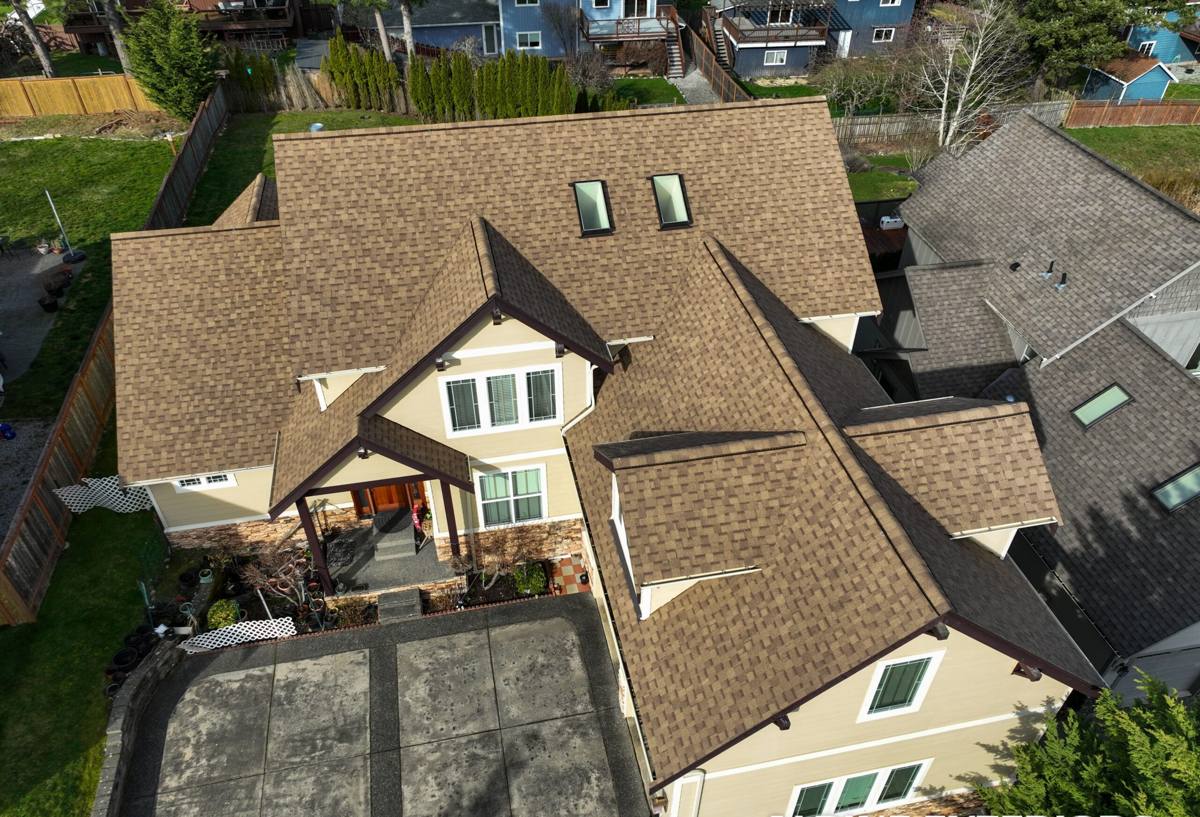
What This Climate Actually Does to a Shingle Roof
Wind
Hurricane-force and tropical-storm-force winds are a real possibility every season, and Coquina Key's open water exposure gives wind a longer, faster run at your roofline than a shingle roof would see further inland. Shingle blow-off almost always starts at an edge, a ridge, or a spot where the nailing pattern was rushed — not in the middle of a roof field. Correct fastening at those transition points is what actually keeps a roof intact in a bad blow, more than the shingle brand printed on the wrapper.
UV and heat
Florida sun is intense and it's relentless twelve months a year, not just in summer. UV breaks down the asphalt and the granules that protect it, which is what eventually turns a shingle brittle, faded, and prone to cracking. A roof baking under that kind of year-round sun exposure ages differently than the same product would in a milder climate.
Wind-driven rain
Straight-down rain is rarely the problem. Rain pushed sideways by wind finds every gap in flashing, every short lap in underlayment, and every place where a shingle isn't sealed down tight. On a waterfront lot, wind-driven rain events aren't rare exceptions — they're a normal part of the roof's working life.
Salt air
Airborne salt from the surrounding water settles on roofing metal, fasteners, and vent components. Over years, that accelerates corrosion on anything that isn't rated or coated for coastal exposure — flashing, drip edge, nail heads, vent boots with metal collars. A roof built with standard inland-grade metal components will show that wear noticeably sooner on Coquina Key than it would a few miles north.
What a Correctly Installed Shingle Roof Includes Here
"Asphalt shingle roof" covers a wide range of actual build quality. For a coastal Pinellas County home, the details below are what separate a roof that holds up from one that doesn't.
- Wind-rated shingles installed to their rated fastening pattern — the rating on the package only applies if the nailing pattern, nail count, and nail placement match the manufacturer's spec exactly.
- Sealed, storm-rated underlayment as a true second line of defense, not just a nailing base for the shingles above it.
- Corrosion-resistant flashing and drip edge at every valley, wall intersection, and roof edge, sized and lapped correctly for wind-driven rain.
- Balanced attic ventilation — intake at the eaves, exhaust at the ridge — so heat and moisture don't cook the underside of the deck and shingles from below.
- Proper starter strip and ridge cap installation, since these edges and transitions are where wind uplift concentrates first.
- Sound, inspected decking underneath — a wind-rated shingle over soft or delaminated plywood is only as strong as the deck holding the nails.
Shingle Types We Work With
| Shingle Type | Typical Wind Rating | Best Fit For Coquina Key | Trade-Offs |
|---|---|---|---|
| 3-Tab Shingles | Lower wind rating range | Budget-conscious rehabs, secondary structures | Shorter service life, less wind margin in an open-water exposure |
| Standard Architectural Shingles | Mid-to-upper wind rating range | Most primary homes when properly fastened | Needs correct nailing pattern to hit its rating — installation quality matters as much as the product |
| High-Wind / Impact-Rated Architectural Shingles | Upper wind rating range, often with impact rating | Homes with direct water exposure, insurance-conscious owners | Higher material cost, but often pays back through better wind performance and potential insurance credit |
We don't push the most expensive option on every roof. We size the shingle to the exposure, the roof geometry, and what the homeowner actually needs — a garage or shed roof doesn't need the same spec as a home with an open water view.
Signs a Coquina Key Roof Needs Attention
Because salt air and wind exposure accelerate wear here, it's worth checking your roof — or having it checked — more often than a general "every few years" rule of thumb. Watch for:
- Granules collecting in gutters or at downspout outlets
- Shingles that look curled, cupped, or cracked, especially on the sides facing open water
- Missing or lifted shingles after any named storm or strong wind event
- Rust streaking below metal flashing, vent boots, or exposed fasteners
- Dark streaking or algae growth across the roof field
- Soft spots, sagging, or visible daylight in the attic around the roof deck
- Water stains on interior ceilings, especially near exterior walls or valleys
None of these mean a full replacement is automatically required. Some are maintenance items; others point to a repair. The point of a real inspection is telling the difference honestly, rather than defaulting to "you need a new roof" every time.
How We Approach a Job on Coquina Key
1. Inspection and honest assessment
We walk the roof, check the attic where accessible, and look at flashing, ventilation, and deck condition — not just the shingle surface. You get a straight answer on whether you need a repair, a partial re-roof, or a full replacement.
2. Scope and shingle selection
We talk through shingle options against your budget, your roof's exposure, and how long you plan to stay in the home. A rental property and a forever home don't need the same spec.
3. Permitting
Roofing work in St. Petersburg and Pinellas County requires a permit and inspection. We handle that process as part of the job — it's not an optional add-on, and it protects you if there's ever an insurance question down the line.
4. Tear-off and deck check
Old material comes off down to the deck so we can actually see what's underneath. Any soft or damaged decking gets replaced before a single new shingle goes down — covering a bad deck with a new roof just hides the problem.
5. Installation to spec
Underlayment, flashing, starter strip, field shingles, and ridge cap go on in that order, fastened to the manufacturer's wind-rated pattern, not a shortcut version of it.
6. Final walkthrough and cleanup
We check the finished roof, walk the property for nails and debris, and go over what was done and what to expect going forward.
Permits, Codes, and What They Actually Protect
Pinellas County enforces Florida Building Code requirements for wind load and wind-borne debris protection, and coastal areas like Coquina Key sit squarely in that enforcement zone. A permitted, inspected roof isn't just paperwork — it's a record that the work met code at the time it was done, which matters if you ever file an insurance claim or sell the home. We don't cut corners on this step, and we'd tell any homeowner to be wary of a contractor who offers to skip it.
Why It Matters That We Already Work This Neighborhood
A crew that regularly works Coquina Key isn't guessing about exposure — they've already seen how wind behaves coming off the open water on this peninsula, how salt air treats unprotected metal here, and which roof details tend to fail first on homes with this kind of setting. That familiarity shows up in small decisions during the job: which flashing detail gets extra attention, where the wind pattern demands tighter fastening, how ventilation should be balanced for a home that sits close to water on more than one side. It's the difference between a roof that's built to a generic spec and one that's built for the block it's actually on.
Maintaining a Shingle Roof in a Salt Air Environment
Even a well-installed roof benefits from basic upkeep in this environment:
- Rinse accumulated salt and debris off the roof surface periodically, especially after prolonged dry, windy stretches
- Keep gutters and downspouts clear so water isn't backing up under the shingle edge
- Trim back any overhanging vegetation to reduce debris buildup and abrasion
- Have flashing and vent boots checked every couple of years for early rust or seal failure
- After any significant storm, do a visual check from the ground for missing or lifted shingles
None of this replaces a professional inspection, but it catches small issues before they become roof-deck problems.
If you're not sure whether your Coquina Key roof needs a repair, a partial fix, or full replacement, we're happy to take a look and give you a straight answer — no pressure, no upsell. Use the form below to request a free estimate.