 St. Petersburg Siding
 Asphalt Shingle Roofing in Childs Park
Childs Park is one of St. Petersburg's older, established residential neighborhoods, which means a lot of its homes are carrying roofs that have already been through a decade or more of Pinellas County weather. Asphalt shingles are still the most common roofing material on these houses, and for good reason — they're a proven, cost-effective system when installed and maintained correctly for our climate. But "correctly for our climate" is the part that gets skipped more often than it should. A shingle roof that would last 20+ years in a mild, dry climate can wear out faster here if the underlayment, ventilation, and flashing details weren't built for Florida conditions from day one.
This page covers what asphalt shingle roofing actually needs to hold up in Childs Park specifically — not a generic national overview, but what we see and account for on roofs in this part of St. Petersburg.
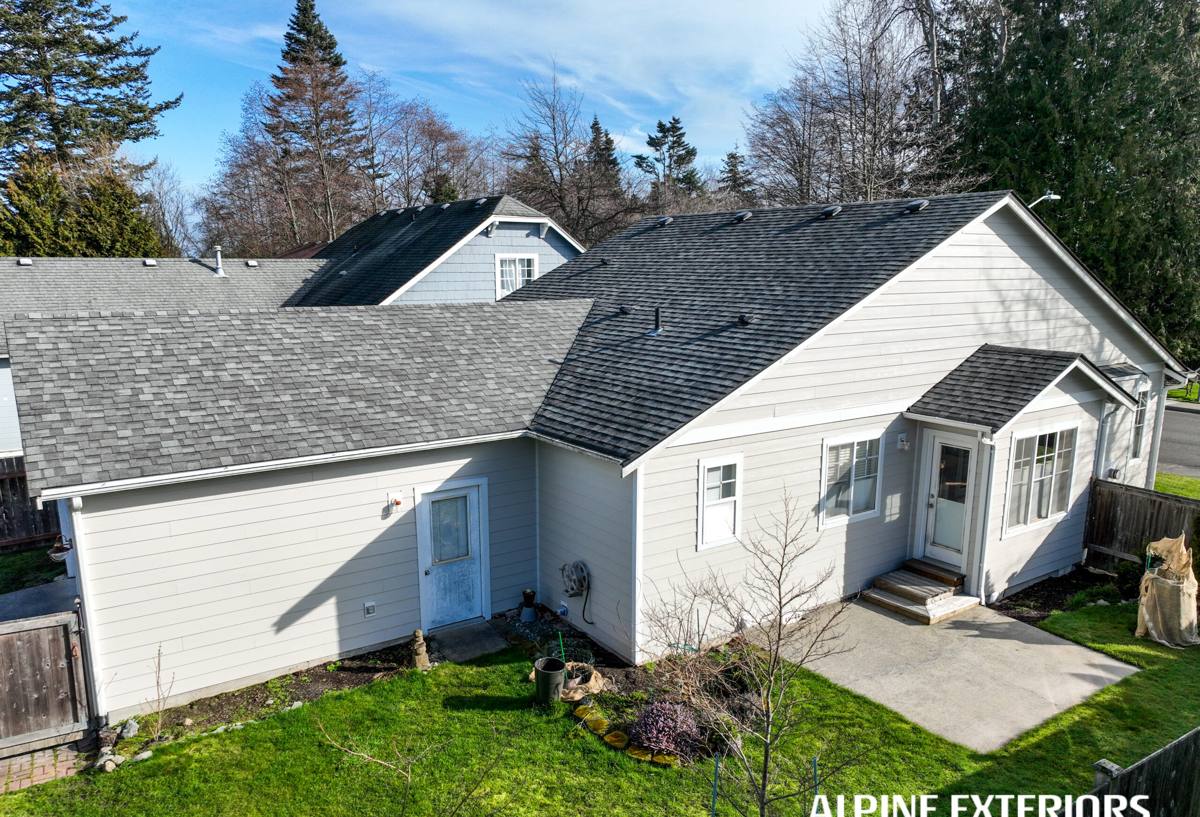
What Childs Park Roofs Are Up Against
Every roof in this neighborhood deals with the same four stressors, layered on top of each other year after year:
- Hurricane-force wind exposure: Even homes that aren't directly on the coast take wind-driven punishment during tropical systems. Shingle uplift and edge blow-off are the most common storm damage we see, and it almost always starts at the same weak points — the roof edges, hips, and ridge.
- Intense, near-constant UV: St. Petersburg sees sun exposure most of the year, not just in summer. UV breaks down the asphalt binders in shingles over time, which is what leads to granule loss, brittleness, and eventually cracking.
- Wind-driven rain: Florida storms don't just drop rain straight down — wind pushes it sideways and up under shingle edges and around penetrations. A roof that's only built to shed vertical rain will leak in a sideways storm.
- Salt air: Being close enough to Tampa Bay and the Gulf means metal roof components — flashing, nails, vents, drip edge — are exposed to a level of corrosion risk that inland climates simply don't have.
None of these are unique to Childs Park alone, but together they define what "durable" actually means for a roof in this part of Pinellas County, and they shape every material and installation decision below.
What a Correct Shingle Roof Job Actually Involves
Underlayment Is Not Optional Extra Protection — It's the Real Waterproofing Layer
Shingles shed most of the water, but the underlayment underneath is what actually keeps a roof dry when wind lifts a shingle edge or drives rain sideways. In our climate we treat synthetic or self-adhering underlayment as a baseline expectation, not an upgrade, particularly in valleys, around penetrations, and along eave and rake edges where wind-driven rain concentrates.
Fastening Pattern and Nail Placement
Shingle wind ratings on the packaging only mean something if the installation matches the fastening pattern that rating was tested with — correct nail count, correct placement within the nailing zone, and nails driven flush (not overdriven, which cuts the shingle's holding strength, and not underdriven, which leaves it able to work loose). This is one of the most common shortcuts on rushed reroofs, and it's invisible until a wind event finds it.
Starter Strip and Edge Detail
Roof edges are the first thing hurricane-force wind grabs. A proper starter strip course, correctly sealed drip edge, and tight sealant bond at the eaves and rakes are what keep the first row of shingles from being the first thing that peels back in a storm.
Flashing at Every Penetration and Transition
Every pipe boot, chimney, wall transition, and valley is a place where two different materials meet — and that's always where leaks start first, not in the open field of shingles. Flashing needs to be sized, lapped, and sealed correctly, with corrosion-resistant materials given the salt air exposure in this area.
Attic Ventilation
A hot, poorly ventilated attic bakes shingles from underneath, shortening their life regardless of what's happening on the surface. Balanced intake and exhaust ventilation is a quiet but important part of getting full lifespan out of a shingle roof here.
Signs a Childs Park Roof Needs Attention
| What You See | What It Usually Means |
|---|---|
| Granules collecting in gutters or downspouts | Normal in small amounts on a newer roof; heavy, ongoing loss signals UV-driven wear and reduced protection |
| Curling or cupping shingle edges | Often ventilation or age-related deterioration; increases vulnerability to wind uplift |
| Missing or lifted shingles after a storm | Wind damage — even a few missing shingles expose underlayment and decking to further water intrusion |
| Dark streaking or staining | Usually algae/biological growth; cosmetic but worth monitoring, not usually urgent |
| Soft spots or sagging on the roof plane | Possible decking damage from a long-term leak — needs prompt inspection |
| Cracked or exposed nail heads | Sealant failure or fastener corrosion — a common entry point for water given local salt air exposure |
Repair vs. Full Replacement
Not every issue means a full reroof, and we won't tell a Childs Park homeowner they need one when they don't. The honest breakdown looks like this:
Repair usually makes sense when:
- Damage is localized to one section — a few storm-lifted shingles, a failed pipe boot, a damaged valley
- The roof is under roughly 12-15 years old and otherwise in solid shape
- The decking underneath is dry and sound
Replacement usually makes sense when:
- Granule loss and brittleness are widespread across multiple slopes
- There's evidence of repeated past repairs patching the same underlying problem
- The roof is approaching or past its expected service life and insurance or financing timelines are a factor
- Decking has soft spots or rot in more than one area
We'll walk the roof, explain what we find in plain terms, and give you the honest option — not just the bigger invoice.
Our Process for a Childs Park Roofing Job
- On-site inspection: We walk the roof (not just a look from the ground) and check the attic where accessible, documenting shingle condition, flashing, ventilation, and any decking concerns.
- Clear, written scope: You get a specific explanation of what's needed and why — repair or replacement — with materials and approach spelled out before any work starts.
- Tear-off and decking check (for replacements): Old material comes off completely so we can inspect the decking underneath; any rotted or soft sheathing gets replaced, not covered over.
- Underlayment and flashing installed to local standard: Every edge, valley, and penetration gets treated as a potential wind-driven-rain entry point, because in Pinellas County storms, it is.
- Shingle installation to the manufacturer's wind-rated fastening pattern: Not a shortcut version — the actual pattern the product was tested and rated for.
- Final walkthrough: We show you the completed work and answer questions before we consider the job done.
Why Local Experience in This Neighborhood Matters
A crew that regularly works Childs Park and the surrounding St. Petersburg neighborhoods knows the housing stock here — the typical roof ages, common past-repair patterns, and the specific ways older Pinellas County homes tend to have been reroofed over the years. That familiarity means fewer surprises once a tear-off starts and a more accurate estimate up front, because we're not guessing at what's under the surface — we've seen it on the street over and street before.
It also means faster response after a wind event. When a storm rolls through St. Petersburg, homeowners who need a tarp or emergency repair benefit from a contractor who's already local and not driving in from across the county.
Maintenance That Actually Extends Shingle Life Here
- Keep gutters and valleys clear so water doesn't pool or back up under shingle edges
- Trim overhanging branches to reduce debris buildup and abrasion during wind
- Have the roof inspected after any major storm, even if nothing looks obviously wrong from the ground
- Address small leaks or lifted shingles promptly — they rarely stay small
- Check attic ventilation periodically, especially on roofs over 10 years old
What to Ask Before Hiring a Roofing Contractor
Whether you call us or someone else, a few questions separate a solid contractor from a risky one: Are you licensed and insured to do roofing work in Florida? Will the fastening pattern match the shingle manufacturer's wind rating for our area? Who inspects the decking before new material goes down, and what happens if it's damaged? Get the answers in writing before work starts, not after.
If you're in Childs Park and want a straight answer on whether your roof needs a repair or a full replacement, we're happy to take a look. Fill out the form below for a free, no-pressure estimate — no obligation, no pushy sales pitch, just an honest assessment of what your roof actually needs.