 St. Petersburg Siding
 Building a Deck That Actually Holds Up in Bartlett Park
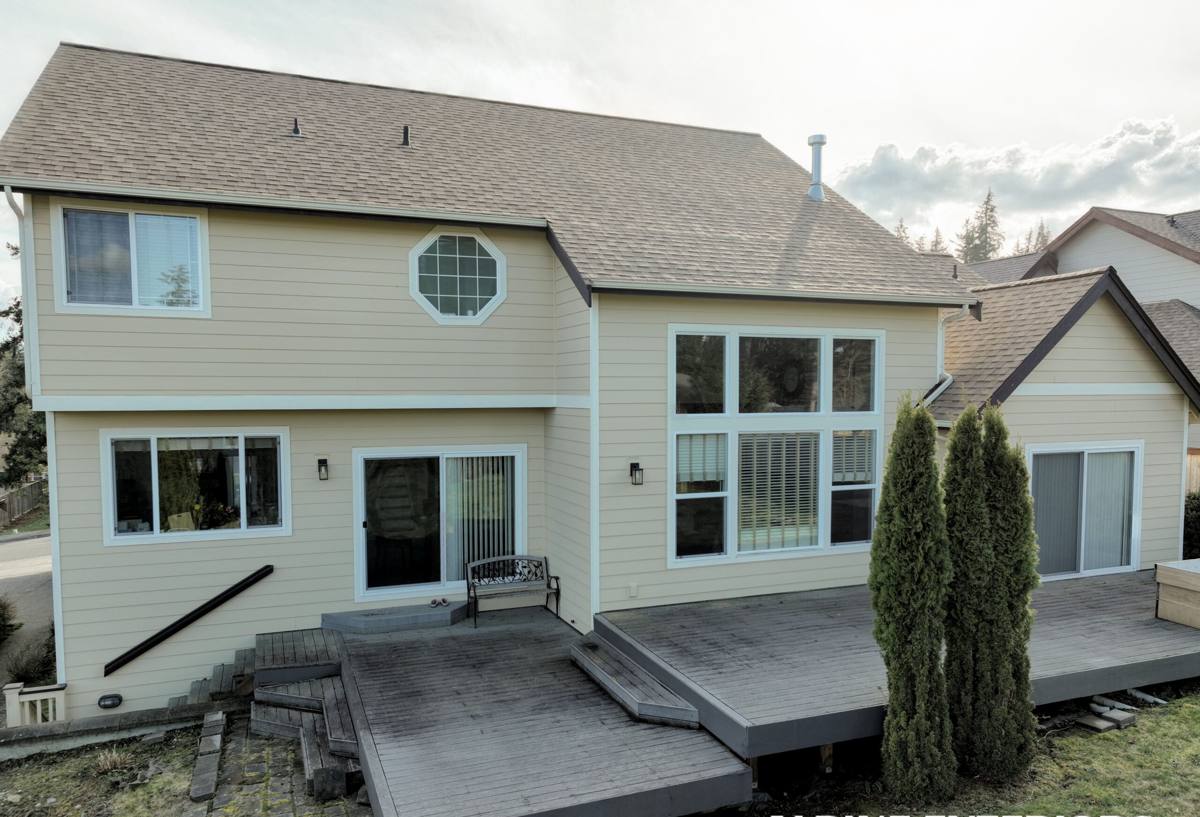
Bartlett Park sits in south St. Petersburg, close enough to the bay and the Gulf that salt-laden air, intense sun, and wind-driven rain are part of everyday weather, not rare events. Homes in this part of Pinellas County range from older Florida bungalows and ranch houses to newer infill construction, and most of them have backyards that get real use — grilling, entertaining, kids, pets. A deck here isn't a seasonal accessory. It's outdoor living space that has to survive a Florida summer, an active hurricane season, and years of humidity without falling apart or turning into a maintenance chore.
That's exactly why composite decking has become the default choice for homeowners in this neighborhood who are tired of replacing rotted wood boards every few years. But "composite decking" isn't one product, and installing it correctly in a coastal, high-UV climate is different from installing it in a dry inland state. This page covers what a Bartlett Park deck actually needs, what a correct installation looks like, and why using a crew that already works this specific area matters more than people expect.
What This Climate Does to a Deck
Before getting into materials and methods, it helps to understand what you're actually fighting:
- UV exposure: St. Petersburg gets some of the most direct, sustained sunlight of any city in the country. Untreated wood grays and cracks fast; even composite boards vary widely in how well they resist fading and surface breakdown.
- Salt air: Proximity to Tampa Bay and the Gulf means airborne salt corrodes exposed metal fasteners, hardware, and railing components faster than in inland areas.
- Wind-driven rain: Summer storms and hurricane-season systems don't just drop rain straight down — wind pushes it sideways and up under boards and railings, which is where poor drainage and ventilation choices show up years later.
- Humidity and ground moisture: Pinellas County's water table sits close to the surface. A substructure that isn't built with proper clearance and airflow stays damp longer than it should, even with rot-resistant decking on top.
None of this means a deck can't last decades here. It means the substructure, fasteners, and installation details matter as much as the decking material itself — arguably more.
Why Composite Makes Sense for This Neighborhood
Composite decking (a blend of wood fiber and recycled plastic, capped or uncapped) was designed to solve the exact problems that wood struggles with in a hot, humid, coastal climate:
- It doesn't absorb water the way wood does, so it's far less prone to warping, cupping, or rot from Pinellas County's humidity and afternoon storms.
- Capped composite boards resist fading and surface degradation from year-round UV far better than stained or painted wood.
- It won't splinter, which matters for bare feet on a deck used all summer.
- It doesn't need annual sanding, staining, or sealing — a real advantage for homeowners who want to enjoy the deck instead of maintaining it.
That said, composite isn't maintenance-free or bulletproof. Cheaper, uncapped composite products can still fade unevenly, absorb some moisture at cut edges, and support mold growth in shaded, humid spots if they aren't installed with proper airflow underneath. This is where the installation matters as much as the product label.
Composite vs. Wood vs. PVC: An Honest Comparison
| Factor | Pressure-Treated Wood | Composite | PVC/Cellular |
|---|---|---|---|
| Upfront cost | Lowest | Mid-range | Highest |
| UV/fade resistance | Poor without regular refinishing | Good to very good (capped) | Very good |
| Moisture/rot resistance | Moderate, requires maintenance | Very good | Excellent |
| Annual maintenance | Staining/sealing needed | Occasional cleaning | Minimal cleaning |
| Heat underfoot | Moderate | Can run hot in direct sun | Similar to composite |
| Typical lifespan | 10-15 years with upkeep | 25-30+ years | 30+ years |
Wood still has a place for homeowners on a tight budget who accept ongoing upkeep. PVC is the most weather-resistant option but costs more and has a plastic look some homeowners don't want. For most Bartlett Park backyards, composite lands in the sweet spot of durability, appearance, and cost — provided the installation underneath it is done right.
What a Correct Composite Deck Installation Actually Involves
The composite boards get the attention, but the substructure is what determines whether a deck lasts 10 years or 30. In this climate, a few details are non-negotiable:
Framing and Substructure
We frame with joist spacing appropriate to the specific composite product being used — many composite boards require tighter joist spacing than traditional lumber, and ignoring the manufacturer's span tables is one of the most common causes of bounce, sag, and warranty denial down the road. Joists get proper flashing tape to protect against moisture wicking, and ledger board attachment to the house is sealed and flashed correctly, since that's a frequent source of hidden water intrusion.
Fasteners and Hardware
Given the salt air in this part of Pinellas County, we use stainless steel or coated, corrosion-rated fasteners and structural hardware — not standard galvanized products that will rust and stain the decking within a few seasons. This is a small cost difference upfront and a major difference in how the deck looks and performs after five years near the coast.
Ventilation and Drainage
Composite decking needs airflow underneath to prevent moisture and debris buildup, especially in a humid climate where mold and mildew growth happens faster than homeowners expect. We maintain proper ground clearance, skirting with vents rather than sealed skirting, and grade the area under the deck so water moves away from the structure instead of pooling.
Board Layout and Fastening
Proper gapping between boards accounts for thermal expansion in Florida's heat swings — composite expands and contracts more than people assume. Hidden fastener systems are installed to manufacturer spec, picture-frame or border boards are mitered and fastened correctly at transitions, and stair stringers and railing posts are anchored into structural framing, not just decking.
Our Process for a Bartlett Park Deck Project
- On-site assessment: We look at the existing structure (if replacing an old deck), grade and drainage around the yard, sun exposure, and how the space will actually be used.
- Material and layout selection: We walk through composite brands and board profiles, color options that hold up to St. Petersburg sun, and railing choices, matching the budget to realistic expectations.
- Permitting: Deck permits and inspections in Pinellas County and the City of St. Petersburg are handled as part of the job, not left for the homeowner to sort out.
- Demolition (if applicable): Old wood decking is removed and disposed of, and we inspect for any rot or damage to the ledger board or house framing that needs correcting before rebuilding.
- Framing and substructure build: Joists, beams, footings, and flashing go in to code and to the specific composite manufacturer's requirements.
- Decking, railing, and finish work: Boards, fascia, stairs, and railing are installed with attention to fastening, gapping, and clean sightlines.
- Final walkthrough: We go over the finished deck with the homeowner, including basic care and what to expect over time.
Why a Local Crew Matters for This Job
Decking looks straightforward from a distance, but a crew that regularly works in Bartlett Park and the surrounding St. Petersburg neighborhoods brings a few real advantages that an out-of-area or one-time contractor doesn't:
- Familiarity with local permitting: Pinellas County and City of St. Petersburg inspectors have specific expectations for footings, ledger attachment, and railing height/spacing. Knowing this ahead of time avoids failed inspections and delays.
- Understanding of lot conditions: Older neighborhoods like this one have a mix of soil conditions, mature tree root systems, and drainage patterns that affect footing placement and grading decisions.
- Faster response for warranty and follow-up: A crew based in the area can come back for adjustments, punch-list items, or warranty questions without a multi-hour drive being a factor in whether they show up.
- Real accountability: A contractor who plans to keep working in this neighborhood has a direct incentive to do the job right the first time, since word travels between neighbors.
Cost Factors to Expect
| Factor | Impact on Price |
|---|---|
| Deck size and footprint | Largest single driver of total cost |
| Composite tier (uncapped vs. fully capped) | Capped, higher-end boards cost more per square foot but resist fading and staining longer |
| Height and stairs | Elevated decks and multi-level stairs add framing and railing complexity |
| Railing style | Composite/aluminum railing costs more than basic options but resists corrosion better in salt air |
| Demolition of existing deck | Adds cost, especially if old framing or ledger has hidden damage |
| Site access and grading | Difficult access or drainage corrections add labor time |
We provide a written, itemized quote before any work starts so there's no guessing about what's driving the number.
What to Expect Once the Deck Is Built
A correctly installed composite deck in this climate is genuinely low-maintenance, but "low" isn't "zero." Expect to rinse or sweep debris periodically, especially under trees, and wash the surface a couple of times a year to prevent pollen, mildew film, or salt residue from building up. Check railing hardware and fastener points annually, particularly after storm season, since even corrosion-rated hardware benefits from a visual check. Keep the area under the deck's skirting clear of stored items or debris so airflow keeps doing its job.
Signs a Composite Deck Was Installed Correctly
- No noticeable bounce or flex when walking across the deck, including near the edges.
- Consistent, even board gaps that account for thermal movement.
- Fasteners and hardware show no early rust streaks near the coast.
- Skirting is vented, not sealed solid, with visible airflow underneath.
- Railing posts feel solid with no wobble when pushed.
- Stairs are even, code-compliant in rise/run, and firmly anchored.
Let's Talk About Your Deck
If you're planning a new composite deck or replacing an aging wood deck in Bartlett Park, we're happy to come take a look, walk the yard, and talk through material options honestly — including where composite makes sense and where it might not for your specific setup. There's no pressure and no obligation. Fill out the form below for a free estimate.