 St. Petersburg Siding
 Asphalt Shingle Roofing Built for Bartlett Park
Bartlett Park sits close enough to Tampa Bay and the Gulf that every roof in the neighborhood is doing double duty: shedding heavy seasonal rain and standing up to salt-laden air that never really lets up. The bungalows, ranch homes, and mid-century houses that make up this part of St. Petersburg weren't all built with today's roofing codes in mind, which means a lot of re-roofs here are really upgrades in disguise — a chance to correct old ventilation mistakes, add proper wind-rated fastening, and put a shingle system on the house that's actually rated for what Pinellas County throws at it.
This page covers what asphalt shingle roofing needs to do specifically for Bartlett Park homes, what a correct installation actually involves, and how we approach the job when we're on your roof.
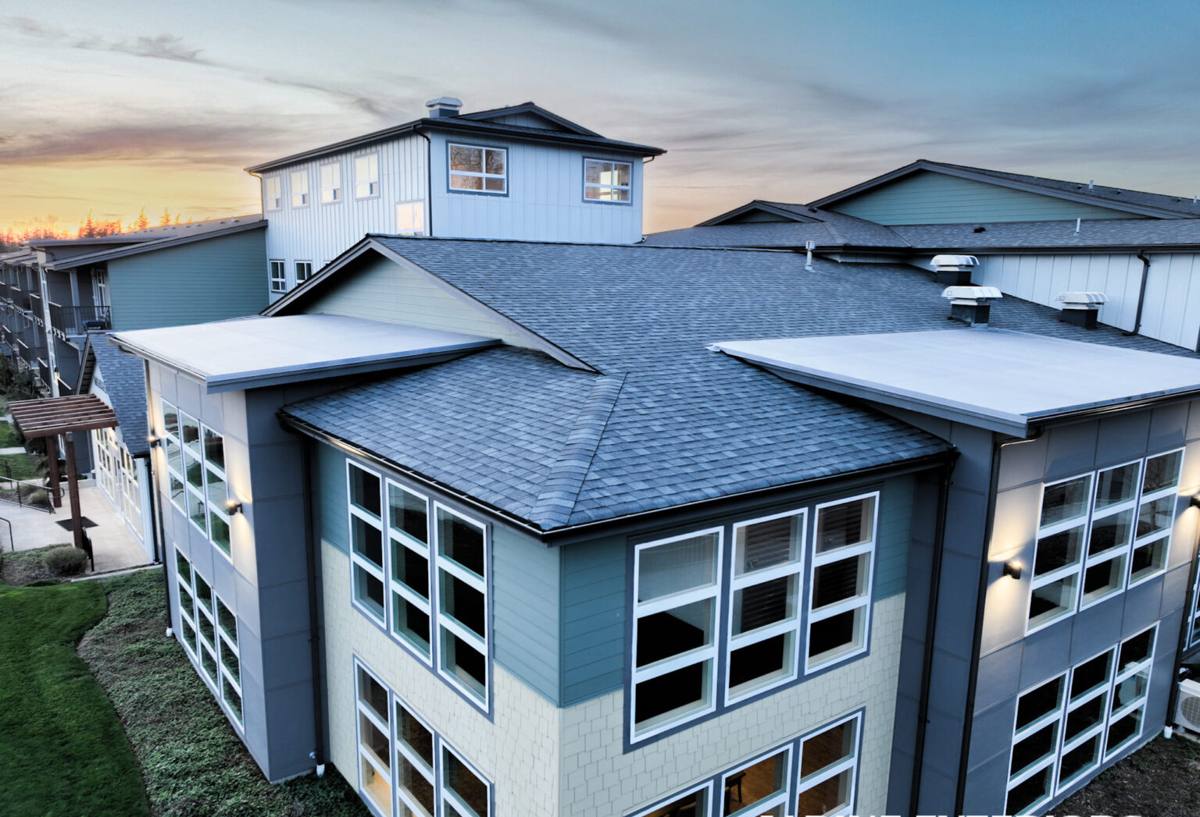
What This Climate Does to a Roof
Florida's Gulf Coast is hard on shingles in a few specific ways, and Bartlett Park gets all of them:
UV Load
St. Petersburg gets sun nearly year-round, and UV exposure is the single biggest driver of shingle aging. It dries out the asphalt binder over time, which is what eventually leads to granule loss, cracking, and curling at the tabs. A shingle rated for a northern climate that isn't built for sustained UV will show its age here faster than the warranty numbers suggest.
Wind-Driven Rain and Hurricane Gusts
Wind doesn't just push rain sideways — it gets up under shingle tabs and tests every fastener and every seal strip on the roof. During a tropical storm or hurricane, the weak points are almost always the same: under-driven nails, poor sealant activation, and edges that weren't properly secured at the rake and eave. A roof that looks fine in calm weather can fail exactly where it was cut corners once the wind gets involved.
Salt Air
Being close to the bay means airborne salt settles on roofing metal — flashing, drip edge, pipe boots, nail heads — and accelerates corrosion. Once flashing starts to corrode, water finds a way in even if the shingles themselves look fine. This is one of the most overlooked failure points on coastal Florida roofs.
Heat and Attic Ventilation
Sustained heat bakes the underside of a roof deck as much as the sun bakes the top. Without enough intake and exhaust ventilation, attic temperatures climb, shingle life shortens from the inside out, and cooling costs go up. Ventilation is roofing work, even though it doesn't show on the surface.
What a Correct Asphalt Shingle Roof Includes
"Asphalt shingle roof" sounds like one product, but it's actually a system of layered components, and every layer matters in this climate.
- Roof deck inspection and repair — soft, delaminated, or water-damaged plywood gets replaced before anything goes back down, not covered up.
- Underlayment — a synthetic or self-adhering underlayment that acts as the roof's real waterproof layer if wind ever lifts a shingle.
- Drip edge and flashing — corrosion-resistant metal at every edge, valley, and penetration, sized and lapped correctly so water sheds outward instead of finding a seam.
- Starter strip — a factory starter course at eaves and rakes, not cut-down field shingles, which is one of the most common shortcuts on lower-quality jobs.
- Field shingles — rated for the wind speeds required in this part of Florida, nailed per the manufacturer's pattern (not stapled, not hand-nailed loosely).
- Ridge and hip caps — purpose-made cap shingles, properly lapped and fastened at the roof's highest-stress lines.
- Ventilation — intake at the soffit, exhaust at the ridge or through vents, balanced so air actually moves through the attic instead of stagnating.
Skip any one of these and the roof might still look right for a season or two — but it's the layers you can't see that determine whether it holds up through a real storm.
Shingle Options and How They Compare
Most Bartlett Park re-roofs come down to a choice between standard three-tab shingles, architectural (laminated) shingles, and higher-wind-rated architectural lines. Here's how they stack up for this specific climate:
| Shingle Type | Typical Wind Rating | Best For | Trade-Offs |
|---|---|---|---|
| 3-Tab Asphalt | Lower (60-70 mph range) | Budget re-roofs, non-coastal exposure | Shorter lifespan in high UV and wind; flatter appearance |
| Standard Architectural | Moderate-high (110-130 mph range) | Most Bartlett Park homes | Better durability and looks; still needs correct install to hit rated wind speed |
| High Wind-Rated Architectural | High (130-150+ mph range) | Homes wanting max storm resistance | Higher material cost; heavier profile, may need deck check for weight |
The wind rating on the shingle bundle is only accurate if the installation matches the manufacturer's specified nailing pattern and fastener count — an under-nailed high-wind shingle performs like a cheaper one.
Repair, Reroof, or Full Replacement?
Not every roofing problem needs a full tear-off. We look at three factors before recommending anything:
Age of the Existing Roof
Asphalt shingle roofs in this climate typically hold up well for a couple of decades when installed correctly, but that number shrinks with poor ventilation, low-quality shingles, or a history of storm damage. A roof past its expected service life is usually better replaced than patched repeatedly.
Extent of Damage
Isolated wind damage, a cracked pipe boot, or a section of lifted shingles after a storm can often be repaired without touching the rest of the roof — as long as the surrounding shingles are still flexible and well-adhered.
Underlying Deck Condition
If the deck has soft spots, rot, or evidence of long-term leaking, that's a signal the problem goes deeper than the shingles themselves, and a full replacement is the more honest recommendation.
We'll tell you straight which category your roof falls into rather than defaulting to the most expensive option.
Our Process on a Bartlett Park Roof
- Inspection — we walk the roof and the attic, checking the deck, flashing, ventilation, and shingle condition, not just what's visible from the ground.
- Written scope and estimate — a clear breakdown of what's being replaced or repaired and why, with no vague line items.
- Deck prep — old material removed down to the deck, damaged plywood replaced, deck re-secured to code.
- Underlayment and flashing — installed to current wind-driven rain standards, with special attention to valleys and penetrations.
- Shingle installation — nailed per manufacturer spec for the wind zone, starting with proper starter strips through to ridge caps.
- Ventilation check — intake and exhaust balanced so the attic and the new roof both perform as designed.
- Final walkthrough — we go over the finished roof and the workmanship and material warranties with you before we consider the job done.
Why a Crew That Works This Neighborhood Matters
Bartlett Park has enough of its own quirks — older homes, mixed roof pitches, tree cover in spots, proximity to the water — that experience here translates directly into fewer surprises mid-job. A crew that already knows the permitting process with the City of St. Petersburg and Pinellas County, understands the current wind-rating requirements for this area, and has seen how local homes actually perform after a storm season is going to make better calls on your roof than a crew working from a generic playbook. That local knowledge shows up in small decisions — how flashing is detailed around an older chimney, how ventilation is balanced on a roof with an odd attic layout — that add up to a roof that holds up.
Maintenance That Extends Roof Life
A correctly installed shingle roof still benefits from basic upkeep in this climate:
- Clear debris and leaves from valleys and gutters so water doesn't pool or back up under shingles.
- Trim back overhanging branches that scrape shingles or drop heavy debris in storms.
- After any major wind event, do a visual check (or have us do one) for lifted tabs, exposed nails, or displaced ridge caps.
- Keep an eye on attic temperature and any musty smell, which can signal a ventilation or moisture issue before it becomes a leak.
- Don't ignore small granule loss in gutters — some is normal, but heavy shedding is worth a professional look.
Get a Straight Answer About Your Roof
If you're dealing with an aging roof, storm damage, or just want an honest read on where your roof stands, we're glad to come take a look. We'll give you a clear, no-pressure estimate and tell you what we'd actually recommend if it were our own house — use the form below to get started.